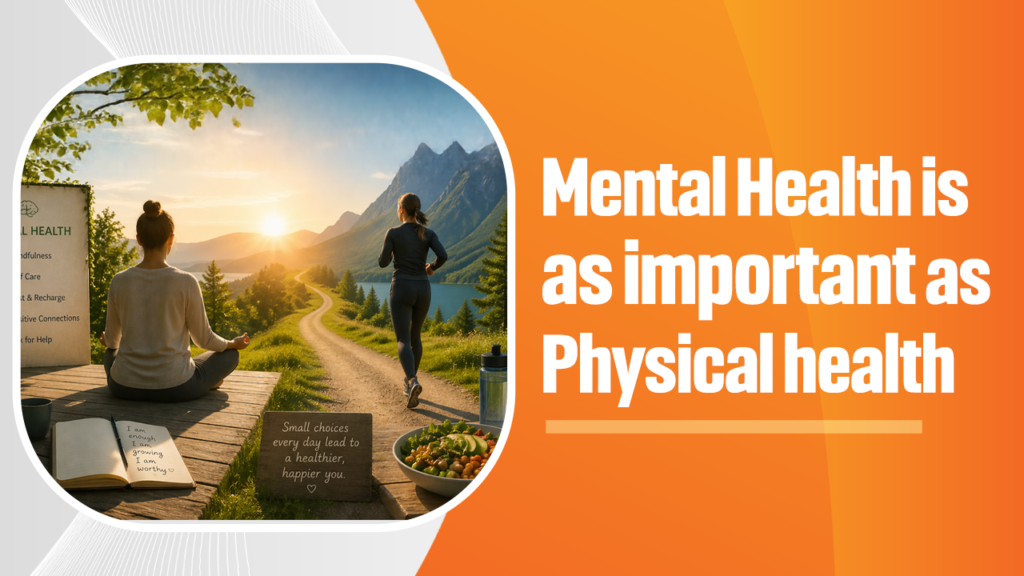
Understanding the Importance of Mental Health
Most people take physical symptoms seriously. If there is fever, pain, weakness or breathing trouble, help is usually sought quickly. Mental health concerns are often treated differently. Stress is ignored, anxiety is normalised and emotional exhaustion is brushed aside as a phase.
The truth is simple. Mental health influences how we think, feel, behave, work, rest and relate to others. It also affects physical health in many ways. When mental well-being is disturbed for a long time, the body often starts showing signs too.
Good health is not only the absence of disease. It is the balance of body, mind and daily functioning.
How mental health affects the body
Many people separate mind and body, but both are deeply connected. Emotional stress can create real physical symptoms and long-term mental strain can affect overall health.
- Ongoing stress may increase headaches, body aches and muscle tightness
- Anxiety can disturb sleep, appetite and digestion
- Low mood may reduce energy, motivation and daily activity
- Chronic stress can affect blood pressure and heart health over time
- Emotional burnout may lower concentration and memory performance
- Poor mental health can worsen recovery from illness or surgery
Sometimes the body asks for help before the mind does.
Signs people often ignore
Mental health concerns do not always look dramatic. Many people continue functioning while silently struggling.
- Feeling mentally tired even after rest
- Irritability over small issues
- Overthinking everyday situations
- Loss of interest in things once enjoyed
- Difficulty sleeping despite exhaustion
- Constant worry without a clear reason
- Trouble focusing at work or home
- Feeling emotionally numb or disconnected
These signs are often mistaken for laziness, weakness or personality changes.
What people rarely realise
Mental health issues do not only affect emotions. They can quietly change behaviour, relationships and decision-making.
- A stressed person may become withdrawn, not rude
- An anxious person may avoid plans, not because they do not care but because they feel overwhelmed
- Someone depressed may delay tasks, not because they are careless but because simple actions feel heavy
- Chronic emotional strain may lead to unhealthy coping such as overeating, alcohol use or social isolation
Many conflicts in families begin as misunderstood mental stress.
Why people delay seeking help
Physical pain is easier to explain. Emotional pain is harder to describe. That is one reason many people wait too long.
- Fear of being judged
- Belief that it will pass on its own
- Comparing their struggle with others
- Thinking help is only for severe cases
- Not recognising symptoms early
- Assuming stress is normal adult life
By the time help is sought, the problem may already be affecting sleep, work and relationships.
Mental health in everyday Indian life
Many people manage responsibilities while carrying silent emotional pressure.
- Students facing constant performance pressure
- Working professionals balancing deadlines and family expectations
- Parents carrying financial and emotional stress
- Elderly individuals feeling loneliness after lifestyle changes
- Caregivers neglecting their own mental health while caring for others
Sometimes people look fine from outside because they have learned to function while struggling.
How to protect mental health daily
Mental health care is not always therapy sessions or medication. It often begins with small consistent habits.
- Maintain regular sleep timings
- Reduce nonstop screen exposure
- Move your body through walking or exercise
- Speak openly with trusted people
- Take breaks without guilt
- Avoid carrying stress silently for too long
- Set realistic boundaries at work and home
- Seek professional support when symptoms continue
Small habits do not solve everything, but they create resilience.
When professional help should be considered
Seeking help early often prevents deeper problems later.
- Anxiety affecting daily routine
- Sadness lasting for weeks
- Panic symptoms
- Anger becoming difficult to control
- Sleep disruption for long periods
- Relationship strain due to emotional distress
- Loss of functioning at work or studies
- Thoughts of hopelessness or self-harm
Getting support is a responsible step, not a sign of weakness.
What recovery actually looks like
Many people expect instant change. Mental health recovery is usually gradual.
- Better sleep may come before better mood
- Calmness may improve before confidence returns
- Energy may fluctuate during recovery
- Some days feel easier than others
- Progress often comes in patterns, not straight lines
Healing is not dramatic in most cases. It is steady improvement.
Final thought
If the body deserves care when it hurts, the mind deserves care when it struggles. Ignoring emotional distress often delays healing in both mental and physical health.
Strong people are not those who suppress everything. Strong people recognise when support is needed and take action.
Mental health is not separate from life. It shapes the quality of life.