Hunjan Hospital Ludhiana
Children's Bone and Joint Care
Information for parents about common bone and joint problems in children and teenagers, how they are assessed and treated, and when to seek urgent help.
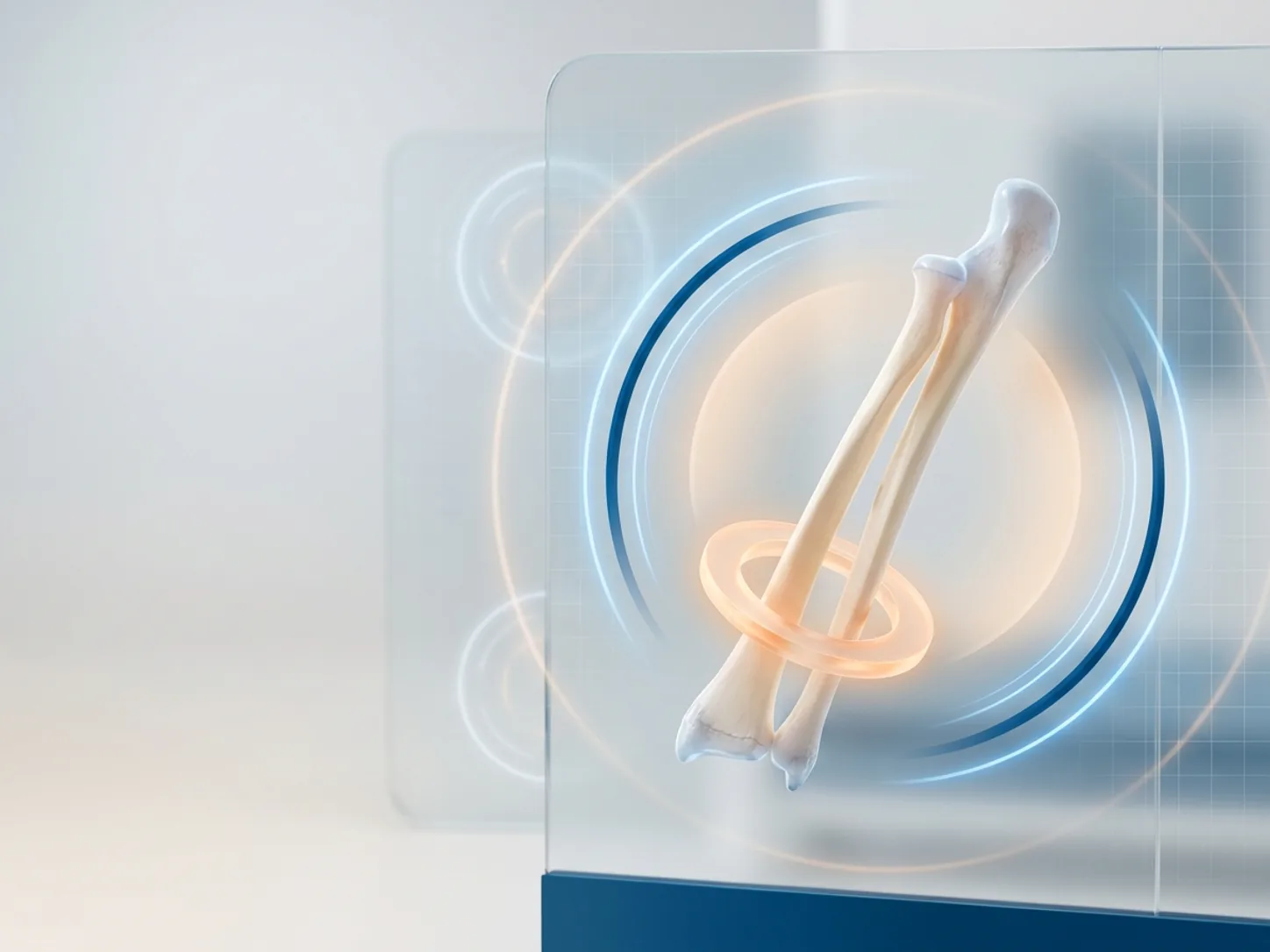
Bone and joint problems in children
Children's bones are still growing. Because of this, a child's body can respond to an injury, infection or deformity quite differently from an adult's.[1] Children's bones also heal more quickly than adults' bones,[4] so injuries should be assessed promptly.
Children with fractures and other bone or joint problems can be seen in the orthopaedic department at Hunjan Hospital. This page describes common conditions in children and teenagers, how they are usually assessed and treated, and when to seek urgent help. Some conditions are managed by surgeons with specific training in children's orthopaedics. If your child needs care that is not provided at this hospital, the doctor will explain this and discuss a referral.
- Fractures, including injuries near the growth plates
- A limp, or reluctance to walk or bear weight
- Hip problems in babies (developmental dysplasia of the hip)
- Clubfoot in newborn babies
- Curvature of the spine (scoliosis) in children and teenagers
- Toe walking and other differences in walking
Seek emergency care straight away if your child has sudden pain in the hip, knee or thigh, cannot put any weight on a leg, has a leg that looks out of shape or points at an odd angle, or has a limp and is unwell with a high temperature.[2]
How children's fractures are different
Growth plates are areas of cartilage near the ends of long bones, where the bone grows.[3] Without appropriate care, a fracture through a growth plate can occasionally lead to a limb that is crooked or a different length from the other side, although serious problems are rare.[3]
Forearm fractures are common in childhood, accounting for up to half of all childhood fractures.[4] Many children's fractures are treated with a cast or splint. If the bone is angled, it may be realigned without an operation (closed reduction). An operation is sometimes needed when the fragments are out of place and the fracture is unstable.[3,4]
Fractures with a risk of growth problems need regular follow-up, usually for at least a year after the injury and sometimes until growth is complete.[3]
Conditions in babies and young children
Developmental dysplasia of the hip (DDH) is where a baby's hip joint is loose. It is often found during the physical examination of a newborn baby. The most common treatment is a soft fabric harness (Pavlik harness), usually worn for 6 to 12 weeks; surgery is rarely needed.[5]
Clubfoot is an uncommon condition in which a baby is born with one or both feet turned into an unusual position. Treatment usually works well when started soon after birth.[6] It usually follows the Ponseti method: plaster casts changed each week for around 6 weeks, an operation to help the position of the foot (which most babies need), and then boots attached to a bar, worn most of the time for about 3 months and then mainly at night and for naps, sometimes until the age of 5.[6]
Toe walking is seen in many toddlers, and most children stop after the age of 2. Toe walking that continues, or that affects one side only, is worth having checked, although an underlying condition is found only rarely.[8]
Scoliosis in children and teenagers
Scoliosis is a sideways curve of the spine. It is often first noticed at a school screening or a routine check-up.[7]
Small curves, under about 25 degrees, are usually monitored with check-ups every 6 to 12 months. For a curve of 25 to 45 degrees in a child who is still growing, a brace may be recommended. A brace does not straighten the curve, but it often stops it from getting worse. Surgery may be considered when a curve is greater than 45 to 50 degrees or keeps progressing despite bracing.[7]
When to have your child seen
A limp with no obvious cause should always be checked by a doctor.[2] Arrange an orthopaedic assessment if your child has any of the following:
- A limp, or reluctance to walk or to use an arm or leg
- Joint pain, swelling or stiffness
- A foot, leg or spine that looks different from the other side
- Uneven shoulders, a visible curve of the back or clothes that hang unevenly
- Toe walking that continues after the age of 2, or affects one side only[8]
- A bone that seems to break after very little force
- Pain or swelling after an injury that is not settling
What happens at your child's appointment
A first appointment usually follows these steps. Not every child needs every step.
- Step 1
Talking with you and your child
The doctor asks about the symptoms, any injury, your child's birth and development, and family history. Bring any previous X-rays, reports and your child's health records.
- Step 2
Examination
The doctor watches how your child walks or moves and examines the joints, limbs and spine, adapting the examination to your child's age and comfort.
- Step 3
Tests, if needed
An X-ray is usually the first test for a suspected fracture.[3] A hip scan may be suggested for babies at higher risk of DDH.[5] Many children do not need any tests.
- Step 4
Plan and follow-up
The doctor explains the findings and the options, including watchful waiting where suitable, and agrees a follow-up plan with you. Growth-related conditions often need check-ups over months or years.[3,7]
Risks and limitations of treatment
Every treatment has possible drawbacks. The doctor will explain the risks that apply to your child and the alternatives, including what may happen without treatment.
- Cast and splint problems: increasing pain, numbness or tingling, burning, excessive swelling below the cast, or fingers or toes your child cannot move need prompt medical attention.[9]
- Growth disturbance: a growth plate injury can occasionally cause a limb to grow crooked or to a different length, which is why follow-up matters.[3]
- Relapse: in clubfoot, if the boots and bar are not worn for as long as advised, the foot may not stay in the corrected position.[6]
- Limits of bracing: a scoliosis brace aims to stop a curve getting worse; it does not straighten an existing curve.[7]
- Surgery: any operation carries risks such as infection, which sterile techniques reduce but do not remove.[10] Your child's surgeon will explain the specific risks before you decide.
Questions parents often ask
Patient pathway
Children's Bone and Joint Care treatment journey in Ludhiana
Patients receive a step-by-step clinical assessment focused on symptoms, diagnosis, treatment choices, recovery expectations, and follow-up care.
Consultation
The doctor reviews symptoms, history, current medicines, and previous reports.
Diagnosis
Imaging, lab tests, or specialist assessments may be advised when required.
Treatment plan
Options may include medication, therapy, minimally invasive care, surgery, or rehabilitation.
Recovery support
The team explains risks, recovery timelines, warning signs, and follow-up steps.
References
Sources are provided for general information; a qualified clinician can advise on your situation.
- Reference 1: What Is a Pediatric Orthopaedic Surgeon?(opens in a new tab)
AAOS OrthoInfoorthoinfo.org
- Reference 7: Idiopathic Scoliosis in Children and Adolescents(opens in a new tab)
AAOS OrthoInfoorthoinfo.org
This page was prepared with AI assistance and is awaiting review by a hospital clinician.
Book an appointment with our team