Hunjan Hospital Ludhiana
Appendectomy
Appendicitis and appendectomy: symptoms that need urgent care, how the operation is done, surgery compared with antibiotics, recovery, risks and warning…
About appendicitis
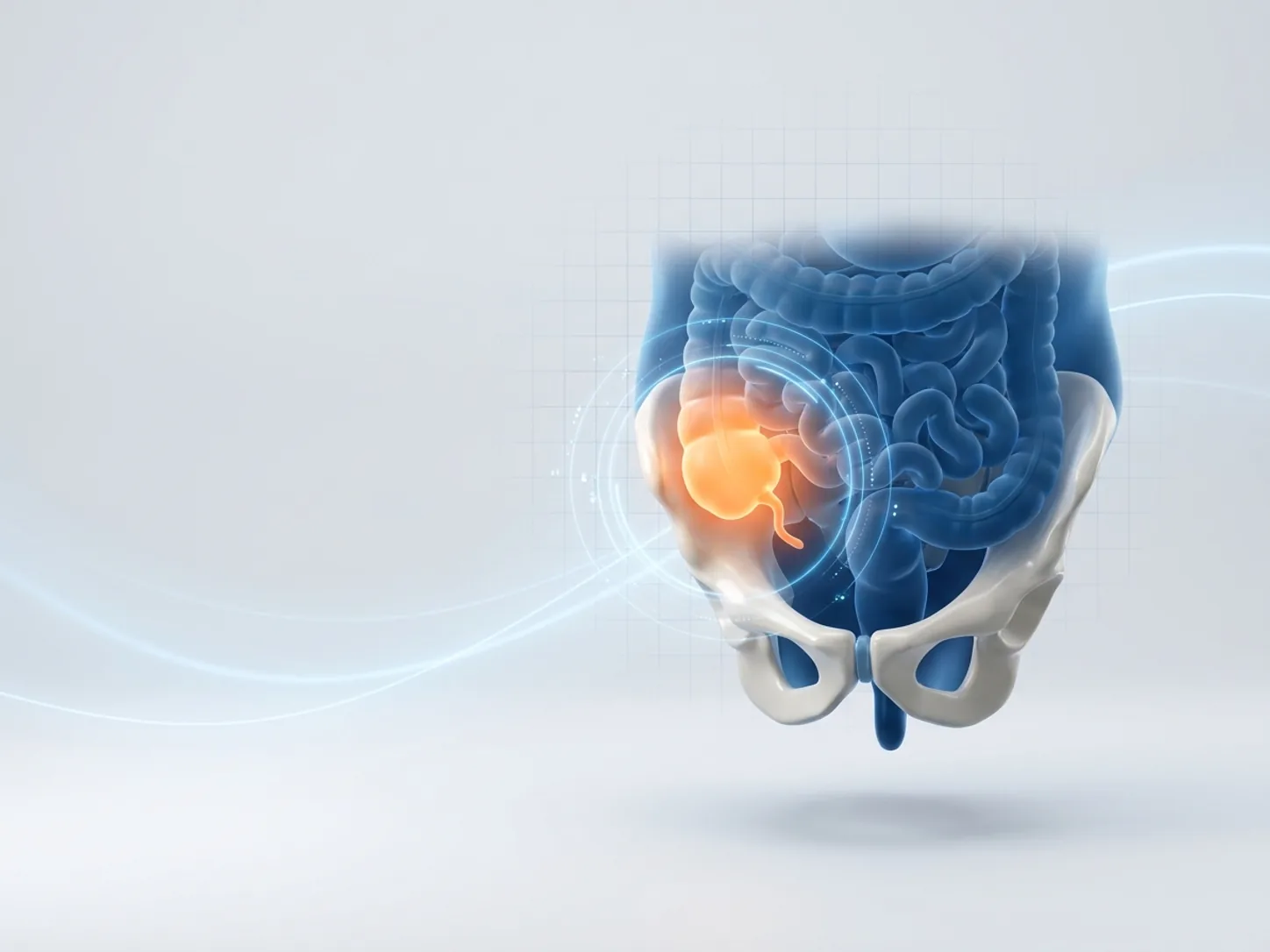
Appendicitis is swelling and infection of the appendix, a small pouch joined to the bowel in the lower right side of the abdomen. It needs urgent treatment in hospital.[1] It can happen at any age, but it is most common in children over 10 and young adults.[1] Typical symptoms are:
- Pain that starts around the belly button and, after a few hours, moves to the lower right side of the abdomen and gets worse[1]
- Pain that is worse when you move, cough or press on the area[1]
- Feeling or being sick, or loss of appetite[1]
- A high temperature, constipation or diarrhoea[1]
Suspected acute appendicitis needs urgent medical assessment. Go to the nearest hospital emergency department or call 112 rather than waiting for a routine outpatient appointment.[1,5] Some people, including pregnant women, young children and older people, may have milder or different symptoms.[1] Call 112 or go to the nearest emergency department immediately if the pain is severe or suddenly gets worse and spreads across the abdomen, or if there is confusion, blotchy or unusually pale skin, or difficulty breathing, as these can be signs of a burst appendix or sepsis.[1,5]
How appendicitis is diagnosed and treated
A doctor examines your abdomen, and tests may include blood tests, a urine test, an ultrasound or CT scan, and a pregnancy test if relevant. No single test always confirms appendicitis, so doctors sometimes watch how your symptoms change over a few hours in hospital.[1]
Appendicitis is usually treated by removing the appendix (an appendectomy). You do not need your appendix, so removing it is not harmful.[1] The operation is done under general anaesthetic and usually takes about an hour. It is usually done by keyhole surgery; sometimes a larger cut in the lower right abdomen is needed (open surgery). If the appendix has burst, the area inside is cleaned.[1]
If appendicitis has caused a lump of inflamed tissue (an appendix mass), antibiotics are usually given first, with surgery a few weeks later if symptoms continue.[1]
When an appendectomy is recommended
Your surgical team will advise on treatment based on your symptoms, test results and general health. Surgery is usually advised when:
- Your symptoms and tests show that appendicitis is very likely[1]
- The appendix may have burst[1]
- An appendix mass treated with antibiotics still causes symptoms after a few weeks[1]
- Antibiotics alone may be an option for some people instead, for example if the infection has not spread and surgery would be high risk[1]
Surgery or antibiotics alone
This comparison is based mainly on one large randomised trial in adults in the United States.[3] Surgery remains the usual treatment; antibiotics alone may be recommended if the infection has not spread and surgery would be high risk for you.[1] Your surgeon will discuss which option is suitable.
Typical recovery
For uncomplicated appendicitis. Recovery takes longer if the appendix has burst.
- Day of surgery
Recovery room and ward
After the operation you spend some time in the recovery room before moving to a ward, and you are given medicine for pain.[1]
- Next day to a few days
Going home
After keyhole surgery you may be able to go home the day after the operation. After open surgery or complications, you may need to stay a few days. Doctors usually check that you are eating, drinking and able to open your bowels first.[1]
- First week
At home
Some pain around the wounds, and constipation or diarrhoea for several days, are common. If you are given antibiotics, finish the course.[1]
- 1 to 2 weeks
Back to usual activities
Most people recover in 1 to 2 weeks and may need 1 to 2 weeks off work or school, sometimes longer depending on the type of work.[1]
- After full recovery
Sport and driving
Avoid strenuous activities such as sport until you have fully recovered, and drive only when you can do an emergency stop safely and comfortably.[1]
Risks and possible complications
Complications after appendix removal are rare, but they can happen. Your surgeon will explain the risks before the operation.[1]
- Wound infection[1]
- Bleeding[1]
- Scar tissue (adhesions) that can later cause a blockage in the bowel[1]
- An abscess (a collection of pus) where the appendix was removed, which is rare.[1] In adults, trials found abscesses inside the abdomen were more common after keyhole than after open surgery[2]
- Appendicitis in the small part of the appendix left behind (stump appendicitis)[1]
- Anaesthetic side effects such as feeling sick or a sore throat; rarely, a serious allergic reaction[4]
- If the appendix has burst: infection of the lining of the abdomen (peritonitis), sepsis, an abscess or a bowel blockage, which need urgent treatment[1]
Seek medical help urgently if soreness or redness around a wound is getting worse, there is bleeding or pus from a wound, or you have a high temperature.[1]
Questions about appendectomy
Charges and insurance
Treatment charges depend on clinical evaluation, the procedure, implant selection (where applicable), and room category. You can request an estimate after consultation before deciding on treatment. The hospital’s insurance desk assists with cashless pre-authorisation and reimbursement documentation for eligible policies — see the Insurance page.
Patient pathway
Appendectomy treatment journey in Ludhiana
Patients receive a step-by-step clinical assessment focused on symptoms, diagnosis, treatment choices, recovery expectations, and follow-up care.
Consultation
The doctor reviews symptoms, history, current medicines, and previous reports.
Diagnosis
Imaging, lab tests, or specialist assessments may be advised when required.
Treatment plan
Options may include medication, therapy, minimally invasive care, surgery, or rehabilitation.
Recovery support
The team explains risks, recovery timelines, warning signs, and follow-up steps.
References
Sources are provided for general information; a qualified clinician can advise on your situation.
- Reference 2: Laparoscopic versus open surgery for suspected appendicitis(opens in a new tab)
Cochrane Database of Systematic Reviews, 2018pubmed.ncbi.nlm.nih.govdoi:10.1002/14651858.CD001546.pub4
- Reference 3: A Randomized Trial Comparing Antibiotics with Appendectomy for Appendicitis(opens in a new tab)
New England Journal of Medicine (CODA Collaborative), 2020pubmed.ncbi.nlm.nih.govdoi:10.1056/NEJMoa2014320
- Reference 5: Helpline(opens in a new tab)
National Portal of India, Government of India, 2026india.gov.in
This page was prepared with AI assistance and is awaiting review by a hospital clinician.
Book an appointment with our team