Hunjan Hospital Ludhiana
Gallbladder Surgery
Gallbladder removal (cholecystectomy): when it is recommended for gallstones, how keyhole surgery is done, recovery ranges, risks and warning signs.
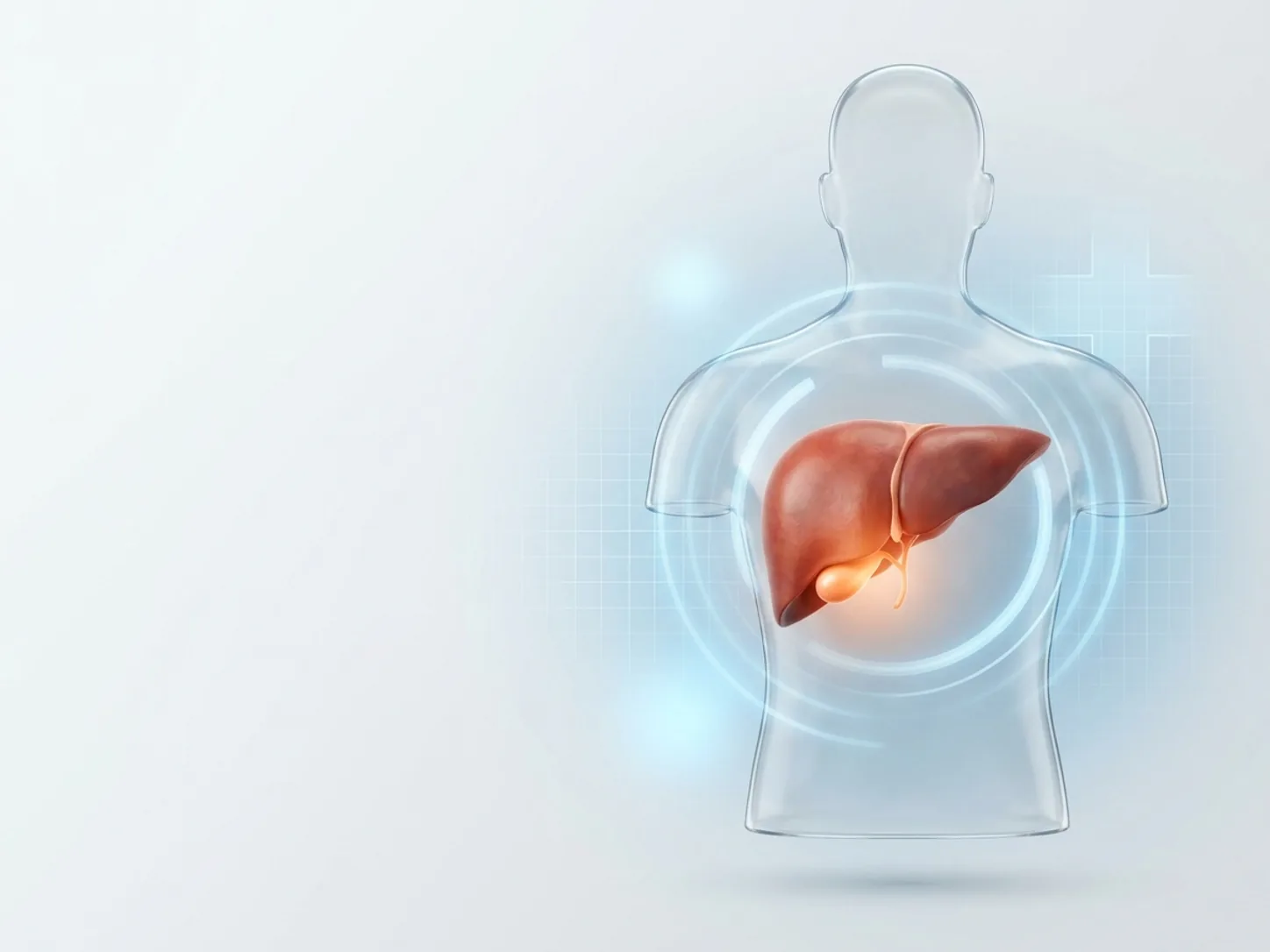
About gallstones and gallbladder removal
The gallbladder is a small organ in the upper right part of the tummy. It stores bile, a fluid that helps digest food.[1] Gallstones are small stones that form in the gallbladder. They are common, and most people who have them do not get symptoms.[2]
If gallstones cause problems, such as repeated tummy pain, the gallbladder may need to be removed. This operation is called a cholecystectomy. You can live without a gallbladder and continue to eat a normal, healthy diet.[1] Pain from gallstones (biliary colic) may:
- Be severe and constant[2]
- Last longer than 30 minutes, and up to several hours[2]
- Be in the middle of the tummy or just under the ribs on the right[2]
- Make you feel sick or vomit[2]
Call 112 or go to the nearest emergency department if you have sudden, severe tummy pain, pain spreading to your back with vomiting, a very high temperature or shivering, or yellowing of the skin or the whites of the eyes.[2,9]
How the operation is done
Before surgery, gallstone disease is usually confirmed with blood tests (liver function tests) and an ultrasound scan. If a stone may be blocking the bile duct, a special MRI scan of the bile ducts (MRCP) may be suggested.[3] A pre-operative assessment checks that you are well enough for a general anaesthetic and may include blood tests and an ECG.[8]
The operation is done under general anaesthetic and usually takes about an hour. Most people have keyhole surgery: the surgeon makes a small cut near the belly button and a few small cuts on the right side of the tummy, gas is pumped in so the surgeon can see, and the gallbladder is removed using a camera and small instruments.[4]
Open surgery, through one larger cut, is used only if the gallbladder is very inflamed or keyhole surgery is not possible. It usually means more pain afterwards and a longer recovery.[4]
If stones are found in the main bile duct, the duct is cleared either during the operation or with an endoscopic procedure called ERCP, before or at the time of surgery.[3]
When gallbladder removal is recommended
Surgery is recommended when gallstones are causing problems. Removal of the gallbladder is usually advised for:
- Gallstones in the gallbladder that are causing symptoms[3]
- Acute inflammation of the gallbladder (acute cholecystitis), ideally within 1 week of diagnosis[3]
- Stones in the main bile duct, together with clearing the duct[3]
- Complications of gallstones, such as inflammation of the pancreas (pancreatitis) or jaundice[2]
- Usually not needed: gallstones found by chance in a normal gallbladder, with no symptoms, do not need treatment unless symptoms develop[3]
Typical recovery
For uncomplicated keyhole surgery. Recovery after open surgery is longer.
- Day of surgery
Going home
Many people go home on the same day, and some stay in hospital overnight. Ask someone to take you home and stay with you for the first 24 hours.[5]
- First few days
Early recovery
The wounds are usually painful for a few days, and painkillers help. Eat a normal, healthy diet; small meals may be easier at first.[5]
- First 1 to 2 weeks
Wound care and activity
Follow the advice on caring for your wounds; you may be able to remove the dressing a few days after surgery. Build up light activity gradually and avoid strenuous exercise.[5]
- 1 to 2 weeks
Back to work
Many people return to work 1 to 2 weeks after surgery, depending on their job and the type of surgery. Jobs with heavy lifting may need longer.[5]
- Several weeks
Full recovery
Full recovery can take several weeks.[1] Drive only when you can do an emergency stop without pain or discomfort.[5]
Risks and possible complications
As with any operation, gallbladder removal has risks. Your chance of problems depends on your age and general health.[6]
- Blood clots, such as DVT[6]
- Wound infection, usually treated with antibiotics[6]
- Damage to the bile ducts or other internal organs; the chance is small, but further surgery may be needed[6]
- Bile leaking into the tummy; this is rare, but another operation is needed to drain it[6]
- Gallstones left in the bile ducts, which can cause pain or jaundice and may need further treatment[6]
- Changing to open surgery if keyhole surgery is not possible[4]
- Feeling sick, indigestion, tummy pain or diarrhoea after the operation; these usually improve soon[6]
- Anaesthetic side effects such as feeling sick or a sore throat; rarely, a serious allergic reaction[8]
Seek medical help urgently if you have severe or worsening pain, pus, redness or swelling around a wound, yellow skin or eyes, swelling or cramping pain in a leg, or a very high temperature or shivering.[6] Call 112 or go to the nearest emergency department if you have leg pain and swelling with difficulty breathing or chest pain.[6,9]
Questions about gallbladder surgery
Charges and insurance
Treatment charges depend on clinical evaluation, the procedure, implant selection (where applicable), and room category. You can request an estimate after consultation before deciding on treatment. The hospital’s insurance desk assists with cashless pre-authorisation and reimbursement documentation for eligible policies — see the Insurance page.
Patient pathway
Gallbladder Surgery treatment journey in Ludhiana
Patients receive a step-by-step clinical assessment focused on symptoms, diagnosis, treatment choices, recovery expectations, and follow-up care.
Consultation
The doctor reviews symptoms, history, current medicines, and previous reports.
Diagnosis
Imaging, lab tests, or specialist assessments may be advised when required.
Treatment plan
Options may include medication, therapy, minimally invasive care, surgery, or rehabilitation.
Recovery support
The team explains risks, recovery timelines, warning signs, and follow-up steps.
References
Sources are provided for general information; a qualified clinician can advise on your situation.
- Reference 3: Gallstone disease: diagnosis and management(opens in a new tab)
National Institute for Health and Care Excellence (NICE), 2014nice.org.ukCG188
- Reference 7: Laparoscopic versus open cholecystectomy for patients with symptomatic cholecystolithiasis(opens in a new tab)
Cochrane Database of Systematic Reviews, 2006pubmed.ncbi.nlm.nih.govdoi:10.1002/14651858.CD006231
- Reference 9: Helpline(opens in a new tab)
National Portal of India, Government of India, 2026india.gov.in
This page was prepared with AI assistance and is awaiting review by a hospital clinician.
Book an appointment with our team