Hunjan Hospital Ludhiana
Child Bone Specialist
Hunjan Super Speciality Hospital offers dedicated paediatric orthopaedic care in Ludhiana, Punjab, with specialist assessment and treatment for bone,…
Paediatric Orthopaedic Specialist in Ludhiana
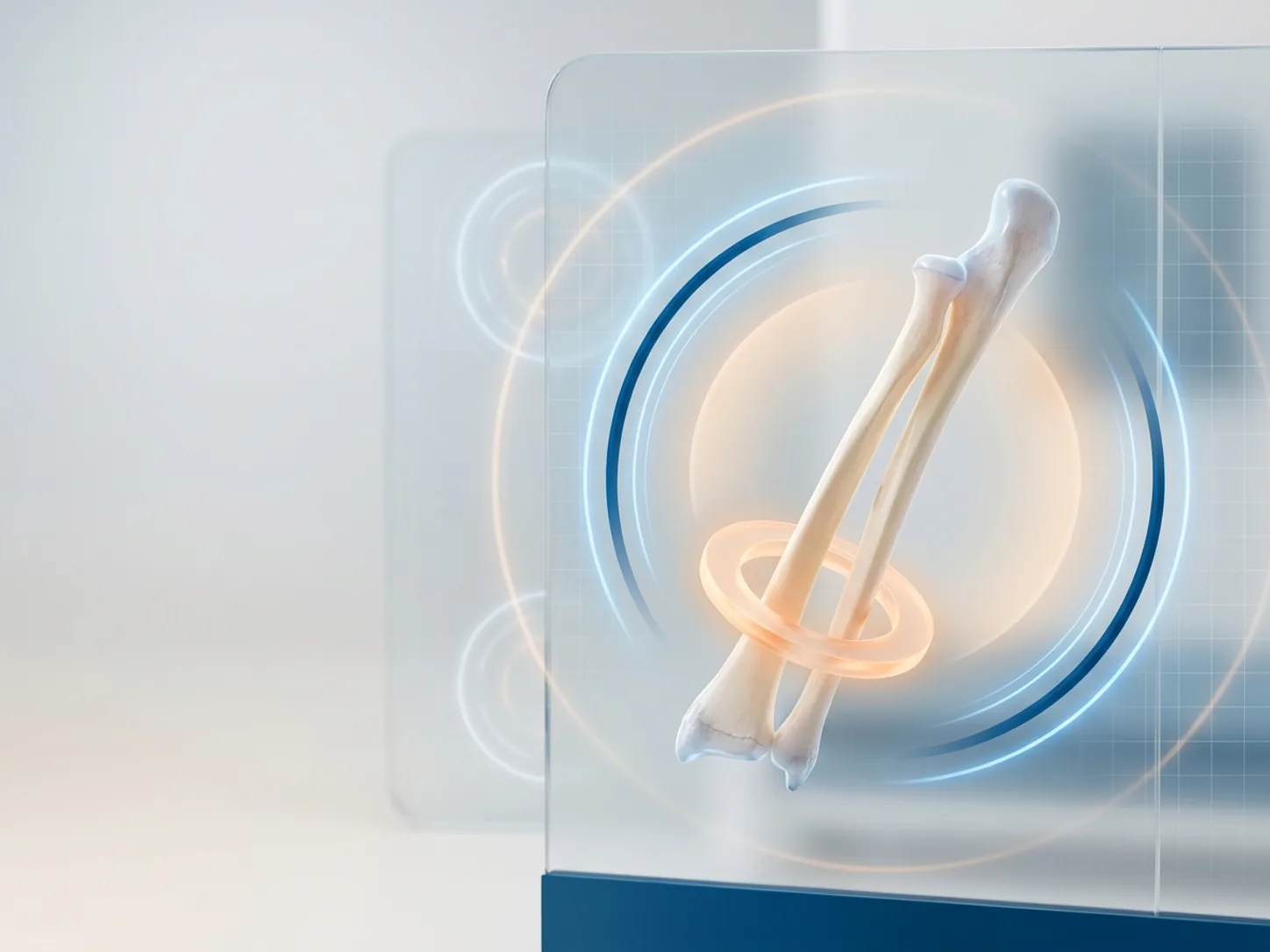
- Fractures in children - growth plate injuries, greenstick fractures, and forearm fractures
- Developmental dysplasia of the hip (DDH) - early detection and bracing or surgical correction
- Clubfoot (talipes equinovarus) - Ponseti casting and surgical management
- Limb length discrepancy - monitoring and correction in growing children
- Scoliosis and spinal deformity - observation, bracing, and surgical planning
- Osteochondroses - Perthes disease, Osgood-Schlatter disease, and related conditions
Our child-friendly consultation environment and clear communication with parents help families understand diagnoses and feel confident in the care plan. Hunjan Hospital is NABH pre-accredited and accepts cashless treatment through more than 100 insurance providers.
Why Paediatric Orthopaedic Care Is Different
The skeleton of a growing child contains active growth plates - regions of cartilage near the ends of long bones where new bone tissue is produced. Injuries to or near growth plates require careful assessment and management to prevent growth disturbance. A fracture that appears straightforward in an adult may carry different implications in a child, and treatment decisions must account for the child's remaining growth potential.
Similarly, developmental conditions such as hip dysplasia, clubfoot, and scoliosis are best addressed during childhood when the skeleton is still malleable and the body can respond well to conservative measures like casting and bracing. When surgery is required, techniques are chosen to preserve growth plate function wherever possible.
At Hunjan Hospital, our paediatric orthopaedic team takes a conservative-first approach, explaining all available options so parents can make informed decisions alongside the clinical team. Follow-up care is structured around growth milestones to ensure that treatment outcomes remain on track as the child develops.
Signs Your Child May Need a Bone Specialist
Early assessment by a paediatric orthopaedic specialist is advisable if your child shows any of the following signs. Many conditions respond better to treatment when caught during periods of active growth.
- Limping or refusing to bear weight on a leg
- Persistent joint pain, swelling, or warmth in a limb
- A deformity of the foot, leg, or spine noticed at birth or during development
- Bones that appear to fracture with little or no trauma
- One leg or arm noticeably shorter than the other
- Curved spine or shoulder asymmetry detected by a school screening or parent
- Toe-walking beyond the age of three years that is not resolving
Common Paediatric Orthopaedic Conditions We Treat
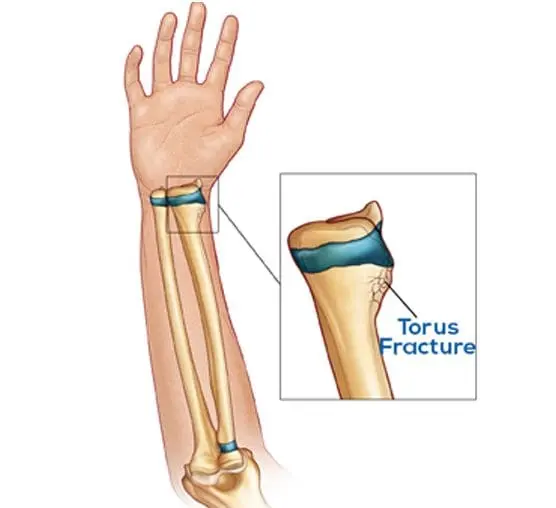
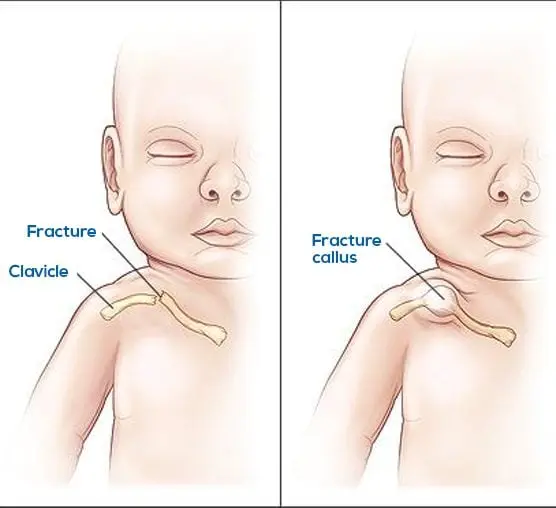
Fractures are the most common reason children visit an orthopaedic specialist. The forearm, wrist, and collarbone are frequent injury sites in active children. Our team assesses growth plate involvement, determines whether closed reduction and casting is appropriate, or whether surgical fixation is needed, and supervises recovery with physiotherapy as required.
For developmental conditions diagnosed at birth or in early infancy - such as clubfoot or developmental dysplasia of the hip - prompt referral leads to better outcomes. Clubfoot responds well to the Ponseti casting method when started early. Hip dysplasia may be managed with a Pavlik harness in infants, or may require surgical intervention in older children where conservative measures are no longer sufficient.
Adolescent idiopathic scoliosis is monitored through scheduled clinical and radiological review. Bracing is used to slow curve progression in growing adolescents, and surgical correction is considered when curves reach a threshold that poses a risk to lung and cardiac function.
Frequently Asked Questions - Child Bone Specialist in Ludhiana
Patient pathway
Child Bone Specialist treatment journey in Ludhiana
Patients receive a step-by-step clinical assessment focused on symptoms, diagnosis, treatment choices, recovery expectations, and follow-up care.
Consultation
The doctor reviews symptoms, history, current medicines, and previous reports.
Diagnosis
Imaging, lab tests, or specialist assessments may be advised when required.
Treatment plan
Options may include medication, therapy, minimally invasive care, surgery, or rehabilitation.
Recovery support
The team explains risks, recovery timelines, warning signs, and follow-up steps.
We are waiting to serve with our speciality. Grab a free Consultation