Hunjan Hospital Ludhiana
Hip Replacement Surgery
What total hip replacement involves, who may be considered for it, the usual recovery timeline, how long implants last, and the risks and warning signs.
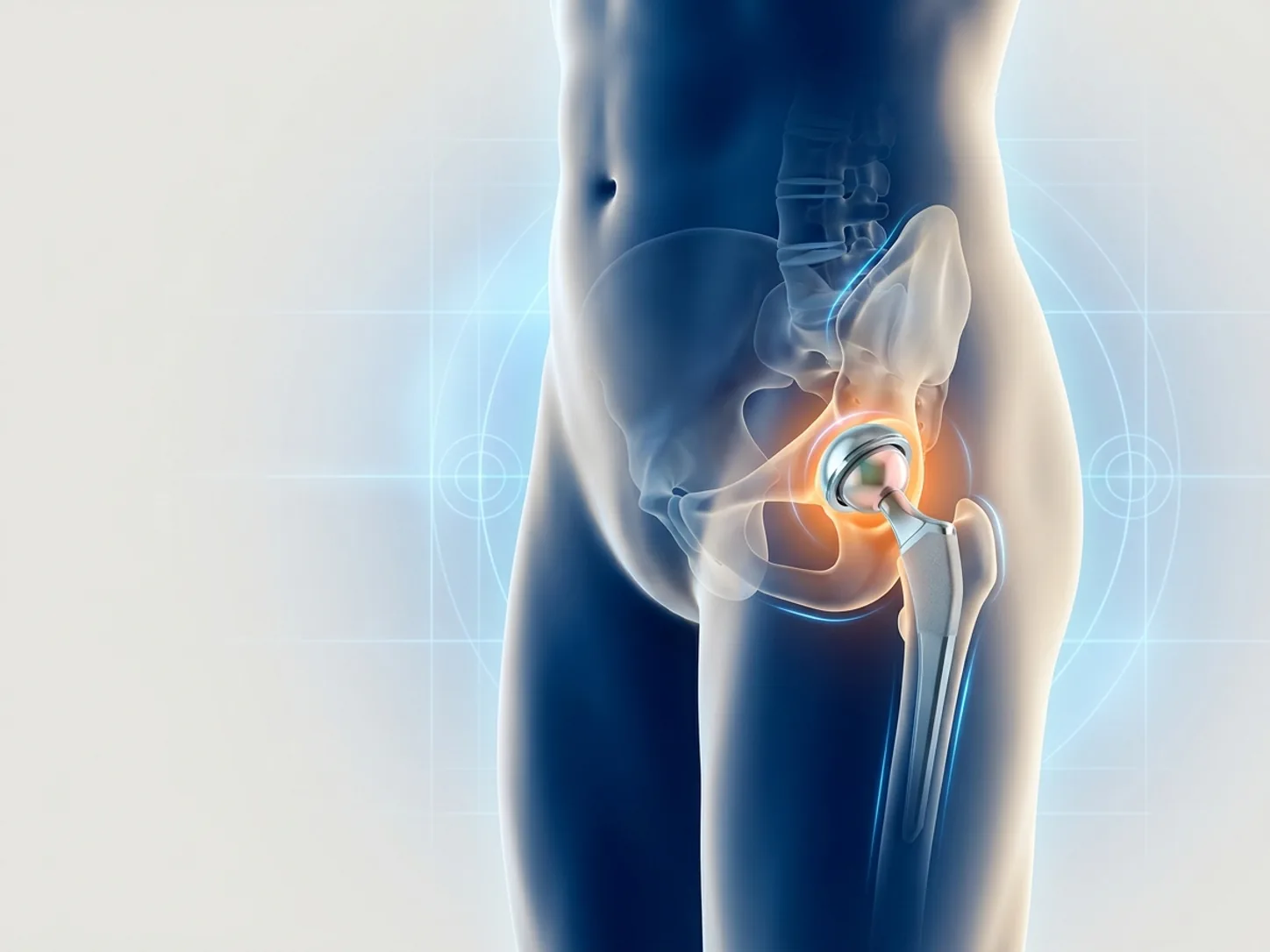
What a hip replacement involves
A total hip replacement replaces the worn ball at the top of the thigh bone and the socket in the pelvis with artificial parts. The stem in the thigh bone may be fixed with bone cement or “press-fit” so that the bone grows onto it.[5]
A hip replacement may be recommended when hip pain and stiffness are having a big effect on your life and other treatments have not worked.[1]
- Most often done for osteoarthritis; other reasons include rheumatoid arthritis and damage after an injury[1]
- Done under a spinal or a general anaesthetic[2]
- The operation usually takes about 1 to 2 hours[2]
- Most people go home about 1 to 3 days afterwards[3]
Your surgeon will explain the implant and surgical approach recommended for you, the alternatives, and the possible benefits and risks, including the possible need for more surgery in the future.[6]
Conditions that may lead to hip replacement
Hip replacement is considered when the joint surfaces are badly damaged. Common causes include:
- Osteoarthritis: age-related wear of the joint cartilage, the most common reason[1,5]
- Rheumatoid arthritis: inflammation and thickening of the joint lining[5]
- Post-traumatic arthritis: arthritis after a serious hip injury or fracture[5]
- Avascular necrosis: loss of blood supply that causes the bone surface to collapse[5]
- Childhood hip conditions: problems treated in childhood that can still cause arthritis later in life[5]
- Some hip fractures: displaced fractures near the joint[8]
For a displaced fracture near the hip joint, either a total hip replacement or a hemiarthroplasty (replacing only the ball) is used. NICE suggests considering a total hip replacement for people who could walk independently outdoors before the fracture, are fit for the operation and are expected to stay independent beyond 2 years.[8]
Who may be considered for hip replacement
There are no absolute age or weight limits; the recommendation is based on your pain and disability, not your age.[5] A hip replacement may be considered if you have:
Recovery after hip replacement
Typical ranges. Recovery can vary depending on your age and general health.[3]
- Day of surgery
Getting up
Rehabilitation with a physiotherapist or occupational therapist should begin on the day of surgery if possible, and within 24 hours.[6] You will need crutches or a walking frame at first.[3]
- Days 1–3
Going home
If you are generally fit and the operation went well, you can usually go home about 1 to 3 days afterwards.[3] You will be given advice on exercises and daily activities before you leave.[6]
- Weeks 1–6
Wound check and precautions
Stitches or clips are usually removed after about 10 days.[3] You may be asked to take special precautions when sitting, bending or sleeping, usually for the first 6 weeks.[5]
- Weeks 6–12
Driving and work
Wait at least 6 weeks to drive, and check with your doctor that you are fit to drive. Returning to work usually takes about 6 weeks, depending on your job. A follow-up appointment is usually arranged at 6 to 12 weeks.[3]
- Several months
Full recovery
It may take several months to recover fully from a hip replacement.[3]
Risks and limitations of hip replacement
All operations carry risks. Your surgeon will discuss how they apply to you.
- Blood clots in the leg (deep vein thrombosis); compression stockings are often used to reduce the risk[4]
- Infection: there is a small chance of wound infection,[4] and serious joint infection occurs in fewer than 2 in 100 patients[5]
- A difference in leg length, often so small that most people do not notice it[4]
- Dislocation of the new joint, which is uncommon; the risk is highest in the first few months[5]
- Damage to a nerve, blood vessel or ligament, which is not common[4]
- Bleeding, fracture or stiffness[5]
- Wear or loosening of the implant over the years, which may need further surgery[5,6]
Contact the hospital or a doctor urgently if you have throbbing or cramping pain in the hip or leg; a high temperature or feel hot, cold or shivery; oozing or pus from the wound; or redness, tenderness, swelling or pain that is not improving or is getting worse. Get emergency help immediately if hip or leg pain and swelling come with chest pain or difficulty breathing.[4]
Frequently asked questions about hip replacement
Charges and insurance
Treatment charges depend on clinical evaluation, the procedure, implant selection (where applicable), and room category. You can request an estimate after consultation before deciding on treatment. The hospital’s insurance desk assists with cashless pre-authorisation and reimbursement documentation for eligible policies — see the Insurance page.
Patient pathway
Hip Replacement Surgery treatment journey in Ludhiana
Patients receive a step-by-step clinical assessment focused on symptoms, diagnosis, treatment choices, recovery expectations, and follow-up care.
Consultation
The doctor reviews symptoms, history, current medicines, and previous reports.
Diagnosis
Imaging, lab tests, or specialist assessments may be advised when required.
Treatment plan
Options may include medication, therapy, minimally invasive care, surgery, or rehabilitation.
Recovery support
The team explains risks, recovery timelines, warning signs, and follow-up steps.
References
Sources are provided for general information; a qualified clinician can advise on your situation.
- Reference 6: Joint replacement (primary): hip, knee and shoulder(opens in a new tab)
NICE, 2020nice.org.ukNG157
- Reference 7: How long does a hip replacement last? A systematic review and meta-analysis of case series and national registry reports with more than 15 years of follow-up(opens in a new tab)
The Lancet, 2019pubmed.ncbi.nlm.nih.govdoi:10.1016/S0140-6736(18)31665-9
This page was prepared with AI assistance and is awaiting review by a hospital clinician.
Book an appointment with our team