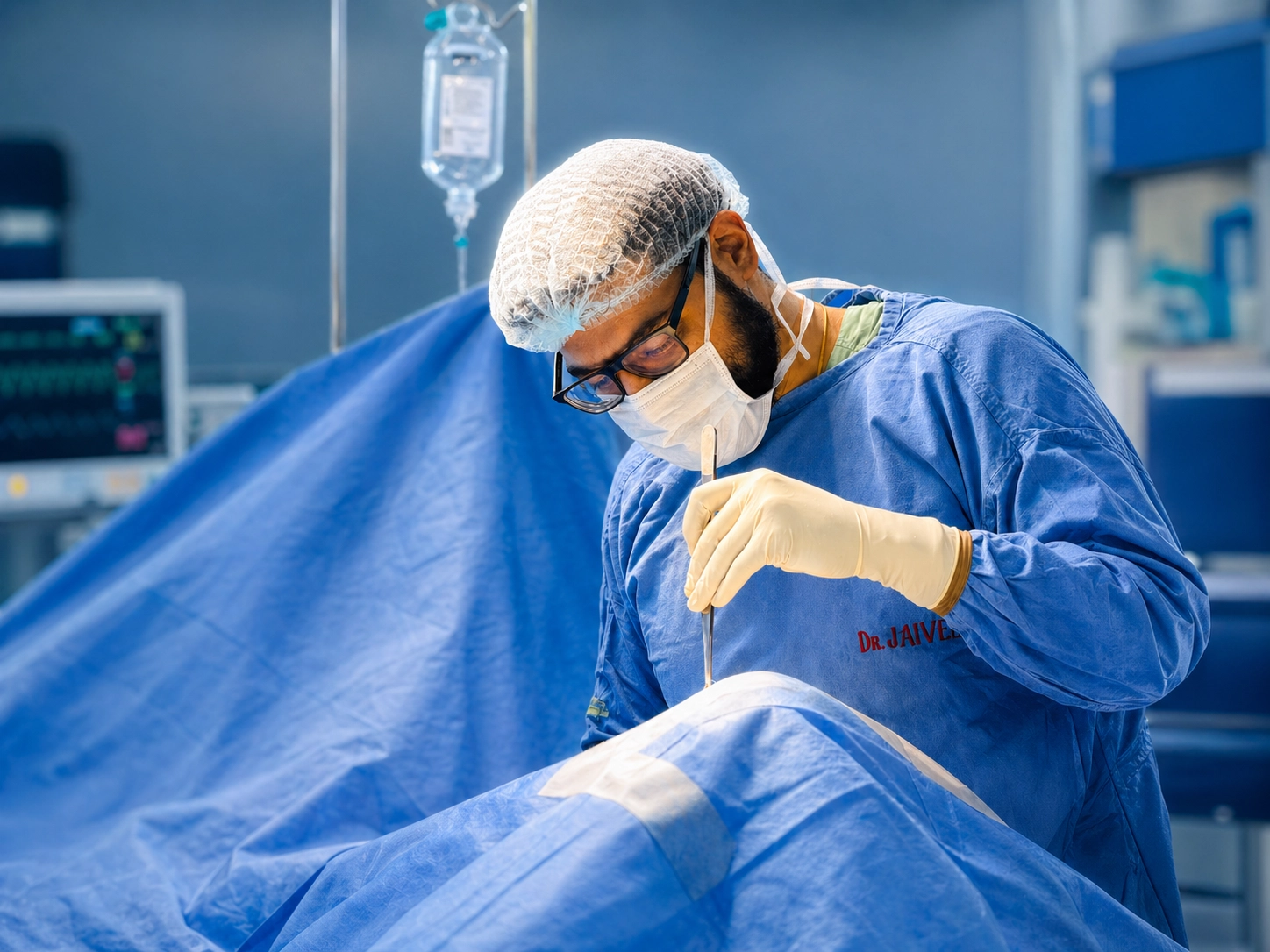
Hunjan Hospital Ludhiana
Joint Pain Treatment
Hunjan Super Speciality Hospital provides comprehensive joint pain diagnosis and treatment in Ludhiana, Punjab, helping patients identify the underlying…
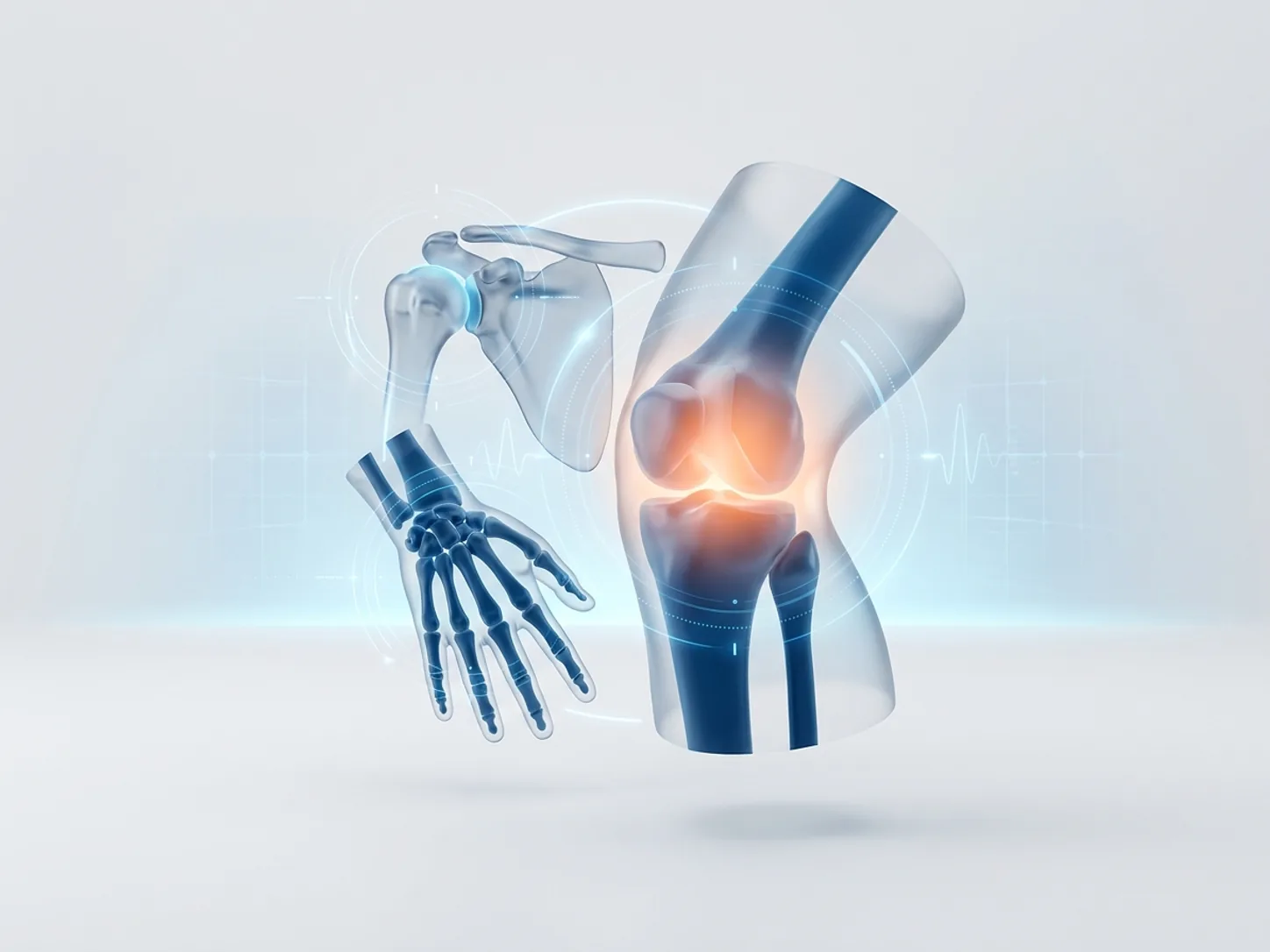
Expert Joint Pain Diagnosis & Treatment in Ludhiana
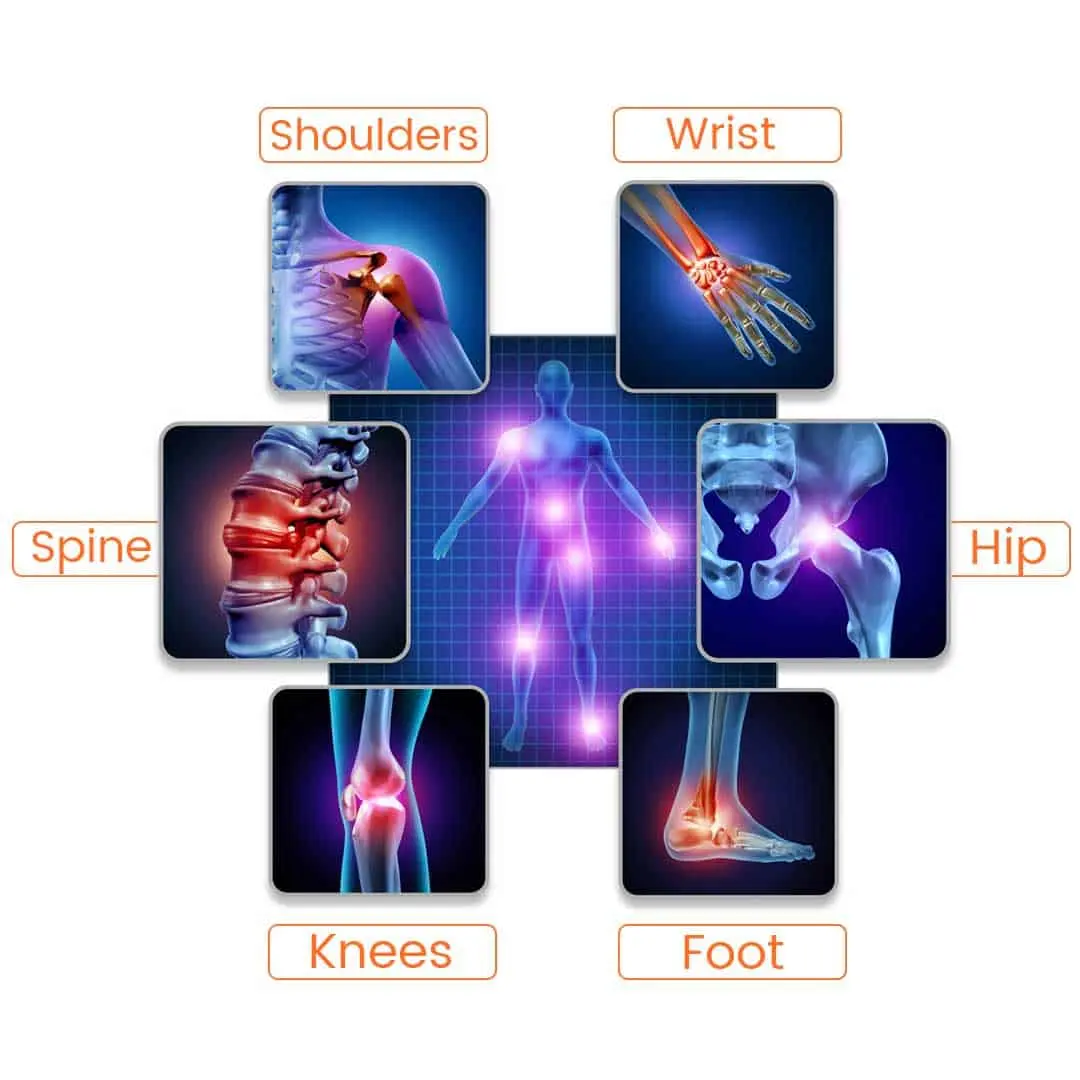
- Knee joint pain - osteoarthritis, meniscus tears, ligament injuries, patellofemoral pain
- Hip joint pain - arthritis, labral tears, bursitis, avascular necrosis
- Shoulder pain - rotator cuff problems, frozen shoulder, acromioclavicular joint arthritis
- Elbow, wrist, and hand joint pain - tendinopathies, arthritis, nerve-related causes
- Ankle and foot joint pain - arthritis, tendon problems, plantar conditions
- Spine-related joint pain - facet joint arthritis, sacroiliac joint dysfunction
Hunjan Hospital is NABH pre-accredited and works with more than 100 insurance providers for cashless treatment, making specialist joint care accessible to patients across Punjab.
Understanding the Causes of Joint Pain
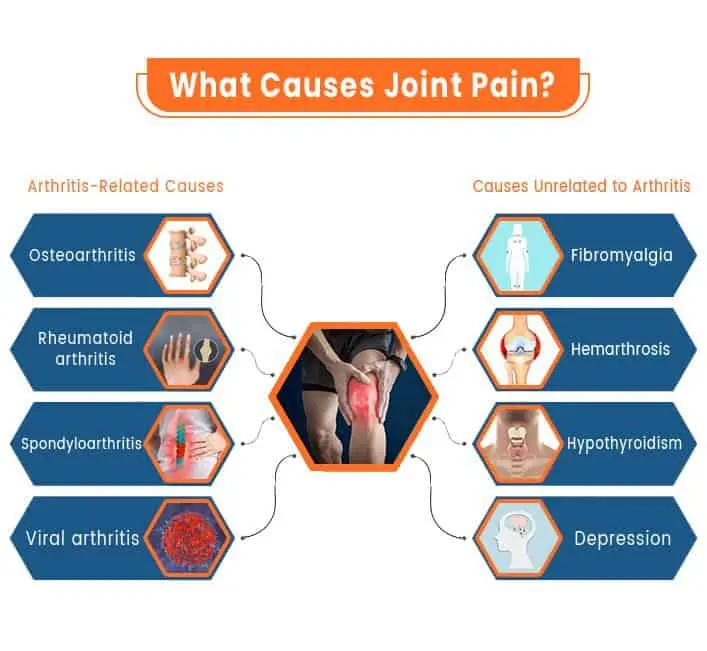
Joint pain can have many origins, and the correct diagnosis determines everything that follows. Osteoarthritis - where the cartilage lining the joint gradually wears away - is the most common cause in adults over 45 and is particularly prevalent in weight-bearing joints such as the knee, hip, and ankle. Symptoms typically include morning stiffness, pain that worsens with activity, and progressive loss of movement.
Inflammatory arthritis, including rheumatoid arthritis, psoriatic arthritis, and gout, involves immune-mediated or crystal-induced joint damage that presents differently and requires medical management alongside any orthopaedic care. Accurate differentiation is essential because treatments that help one condition may not be appropriate for another.
Injury-related joint pain - ligament sprains, meniscus tears, labral damage - often presents acutely after a specific incident, though chronic overuse injuries can develop gradually without a single identifiable event. Our team uses clinical examination, X-ray, and MRI scanning to map the anatomy before recommending a treatment strategy.
When to Seek Assessment for Joint Pain
Not all joint pain requires immediate specialist review, but certain features indicate that a prompt orthopaedic assessment at a hospital in Ludhiana is advisable:
- Pain that persists for more than six weeks despite rest and over-the-counter medications
- Joint swelling, warmth, or redness that develops without an obvious injury
- Significant reduction in range of movement affecting daily activities
- Joint pain accompanied by systemic symptoms - fever, weight loss, widespread fatigue
- Locking, giving way, or instability in a joint
- Night pain that disturbs sleep regularly
- A joint injury sustained during sport or a fall that has not settled within two to three weeks
Non-Surgical and Surgical Treatment Options
Hunjan Hospital takes a stepwise approach to joint pain management. Non-surgical options are explored first wherever clinically appropriate and include structured physiotherapy to strengthen the muscles supporting the joint, weight management guidance, activity modification, anti-inflammatory medication, and intra-articular injections such as corticosteroids or hyaluronic acid for appropriate candidates.
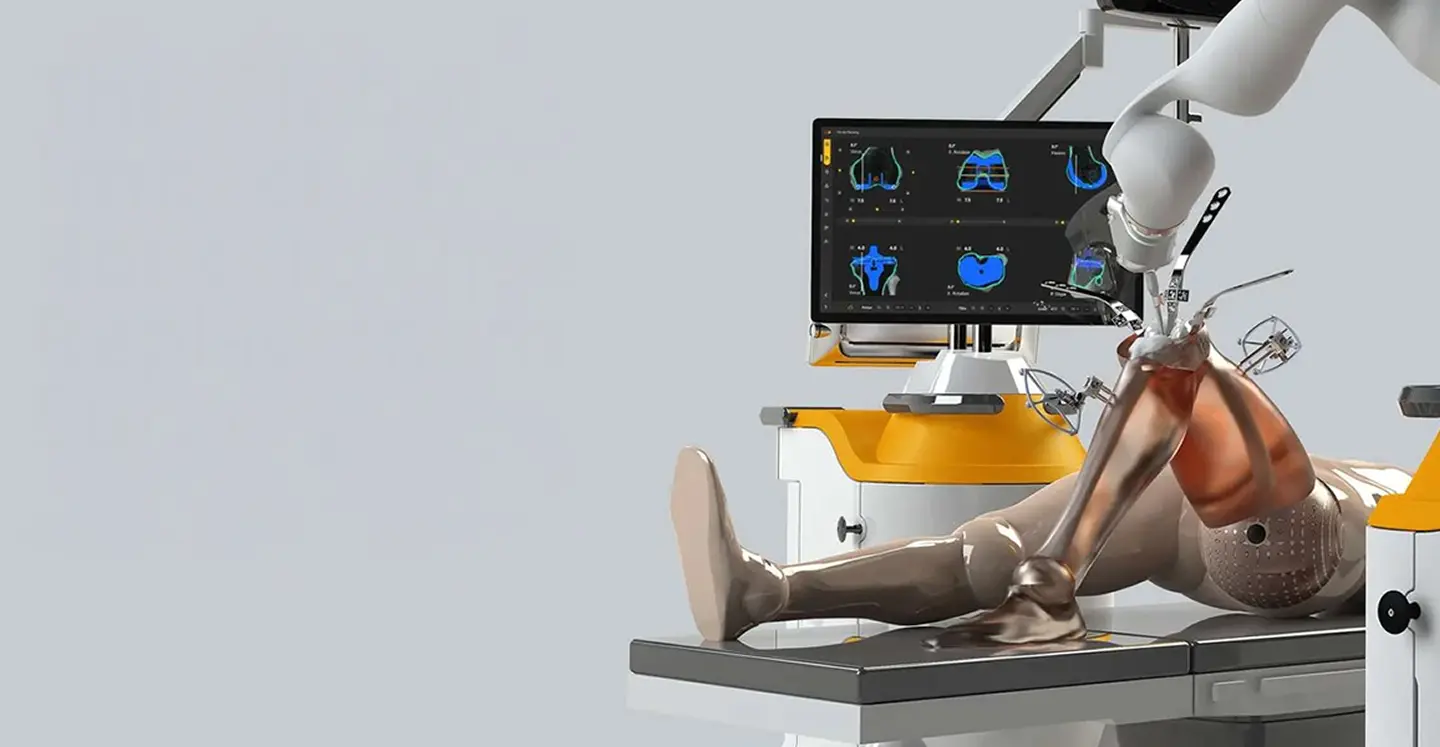
When non-surgical management has been exhausted or a structural problem requires repair, surgical options are discussed. For major joints with advanced arthritis, robotic-assisted joint replacement offers precision planning and implant placement using a 3D preoperative plan and a robotic arm to assist the surgeon intraoperatively. Hunjan Hospital offers robotic joint replacement for the knee and hip, led by Dr. Balwant Singh Hunjan, one of the early adopters of robotic orthopaedic surgery in North India.
- Physiotherapy and strengthening programmes
- Medication management - NSAIDs, DMARDs for inflammatory arthritis
- Intra-articular injections for suitable candidates
- Arthroscopic surgery for soft tissue injuries
- Robotic-assisted knee and hip replacement for advanced arthritis
All treatment recommendations are made after a thorough clinical assessment. Our goal is always to restore function and reduce pain with the least invasive intervention that will achieve a lasting result.
Frequently Asked Questions - Joint Pain Treatment in Ludhiana
Patient pathway
Joint Pain Treatment treatment journey in Ludhiana
Patients receive a step-by-step clinical assessment focused on symptoms, diagnosis, treatment choices, recovery expectations, and follow-up care.
Consultation
The doctor reviews symptoms, history, current medicines, and previous reports.
Diagnosis
Imaging, lab tests, or specialist assessments may be advised when required.
Treatment plan
Options may include medication, therapy, minimally invasive care, surgery, or rehabilitation.
Recovery support
The team explains risks, recovery timelines, warning signs, and follow-up steps.
We are waiting to serve with our speciality. Grab a free Consultation