Hunjan Hospital Ludhiana
Joint Replacement
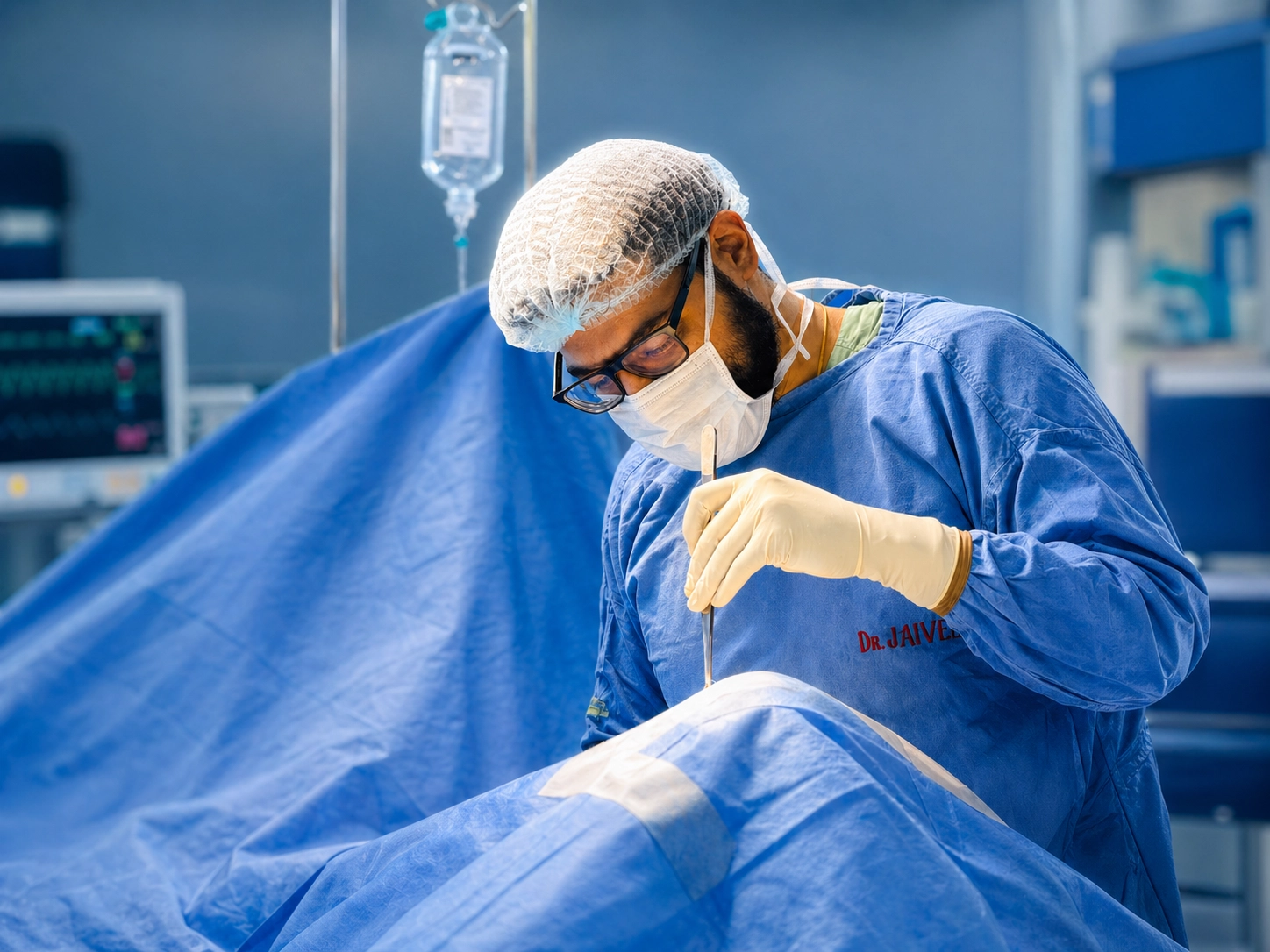
Hunjan Super Speciality Hospital, Ludhiana provides joint replacement surgery - including knee, hip, shoulder and elbow - with MAKO robotic-assisted…

Joint Replacement Surgery in Ludhiana at Hunjan Hospital
- MAKO robotic-assisted system for accurate implant positioning in knee and hip replacement
- Dr. Balwant Singh Hunjan - 40+ years, 8,000+ knee replacements, 15,000+ hip replacements
- Cemented, cementless and hybrid implant options from globally recognised manufacturers
- Enhanced Recovery After Surgery (ERAS) protocol: early mobilisation from Day 1
- NABH pre-accredited facility with dedicated in-house physiotherapy
- 100+ insurers accepted - cashless facility available
Hunjan Hospital is recognised as a leading joint replacement centre in Punjab, drawing patients not only from Ludhiana but across the region who seek high-volume, experienced care backed by modern technology.
Types of Joint Replacement Surgery Offered
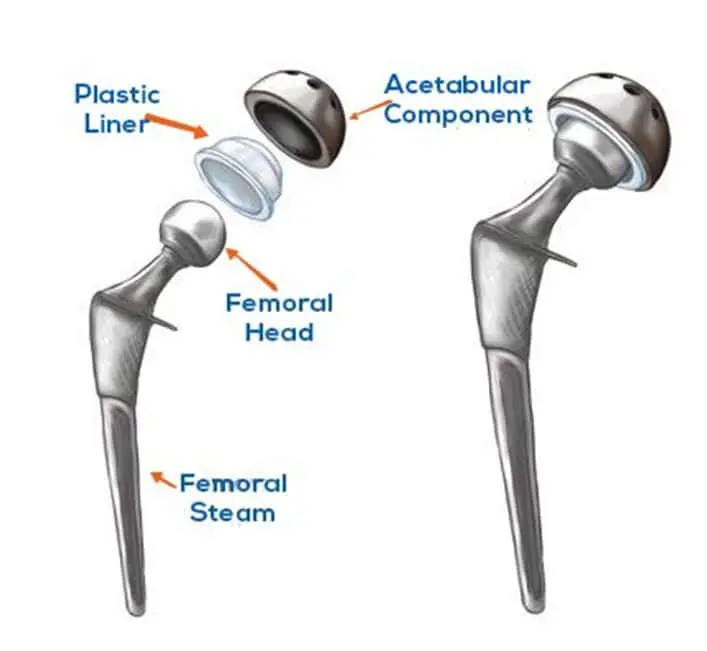
Modern joint replacement surgery replaces damaged joint surfaces with biocompatible implants - typically a combination of metal alloy, high-grade polyethylene and, in some cases, ceramic - designed to replicate natural joint mechanics and withstand decades of use. At Hunjan Hospital, we offer:
- Total Knee Replacement (TKR) and Unicondylar (Partial) Knee Replacement
- Total Hip Replacement (THR) - anterior and posterior approaches
- Shoulder Replacement - total anatomic and reverse shoulder arthroplasty
- Revision Joint Replacement - re-do surgery for failed or worn implants
- Bilateral simultaneous replacement for suitably fit patients
Who Is a Candidate for Joint Replacement?
Joint replacement is a major elective procedure reserved for patients whose quality of life is significantly affected by joint disease. Our surgeons assess candidacy carefully. You may be a suitable candidate if you have:
- Severe joint pain that persists at rest or disrupts sleep
- Marked functional limitation: difficulty walking, climbing stairs or performing daily tasks
- X-ray evidence of severe joint-space narrowing or bone-on-bone contact
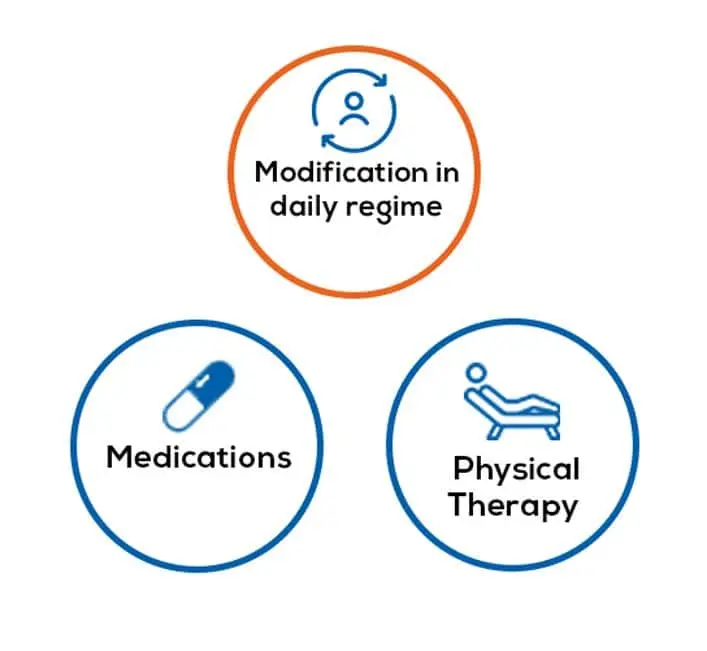
- Failed response to at least 6 months of conservative treatment (physiotherapy, injections, medication)
- Progressive joint deformity (bow-leg, knock-knee or hip deformity)
- Reasonable general health to safely undergo surgery and anaesthesia
Joint Replacement: Recovery Timeline
Recovery milestones for total knee and hip replacement. Individual progress may vary; your Hunjan Hospital physiotherapy team will guide you at each stage.
- Day 1
Surgery Day & Standing
Under our ERAS protocol, most patients stand with physiotherapy support and take their first steps on the day of surgery or the morning after. IV fluids are reduced early, pain is managed with multimodal analgesia, and blood-clot prevention (anticoagulants + stockings) begins immediately.
- Week 1–2
Discharge & Home Exercises
The majority of patients are discharged within 3–5 days. You will walk with a walker or crutches and perform home-based range-of-motion and strengthening exercises. Wound care and follow-up are arranged before discharge.
- Week 3–6
Progressive Weight-Bearing
Walking distance increases steadily. Most patients transition from a walker to a stick. Formal outpatient physiotherapy continues. Swelling gradually subsides, and stair climbing improves with practice.
- 3 Months
Independent Mobility
Most patients achieve independent mobility without a walking aid by 6–12 weeks. Light household activities, driving (after medical clearance) and short walks are comfortable. The new joint continues to feel more natural as muscle strength recovers.
- 6–12 Months
Full Functional Recovery
By 6–12 months, most patients have returned to their pre-disease functional goals - whether that means walking long distances, travelling or resuming recreational activities. Modern implants are designed to last 15–20+ years under appropriate use.
Joint Replacement Surgery Cost in Ludhiana
Indicative cost ranges. Actual costs depend on implant selection, surgical complexity and length of stay.
Total Knee Replacement (one knee)
Implant type and approach influence cost
₹1,80,000 – ₹3,00,000
Unicondylar (Partial) Knee Replacement
For single-compartment disease
₹1,50,000 – ₹2,50,000
Total Hip Replacement
Cemented vs. cementless varies in price
₹1,70,000 – ₹2,80,000
MAKO Robotic-Assisted Procedure
Adds precision planning and intraoperative guidance
Additional cost on consultation
Bilateral Simultaneous Replacement
Evaluated individually based on fitness
On consultation
Insurance / Cashless
100+ insurers; contact us for cashless pre-authorisation
Available
All figures are approximate. The final quote is provided after pre-operative evaluation and implant selection. Government scheme (Ayushman Bharat / CGHS) eligibility can be checked with our patient services team.
Frequently Asked Questions - Joint Replacement Surgery
Patient pathway
Joint Replacement treatment journey in Ludhiana
Patients receive a step-by-step clinical assessment focused on symptoms, diagnosis, treatment choices, recovery expectations, and follow-up care.
Consultation
The doctor reviews symptoms, history, current medicines, and previous reports.
Diagnosis
Imaging, lab tests, or specialist assessments may be advised when required.
Treatment plan
Options may include medication, therapy, minimally invasive care, surgery, or rehabilitation.
Recovery support
The team explains risks, recovery timelines, warning signs, and follow-up steps.
We are waiting to serve with our speciality. Grab a free Consultation