Hunjan Hospital Ludhiana
Musculoskeletal Treatment
Common joint, muscle, tendon and nerve conditions: assessment, exercise and physiotherapy, medicines and injections, when surgery is considered, and risks.
What musculoskeletal care covers
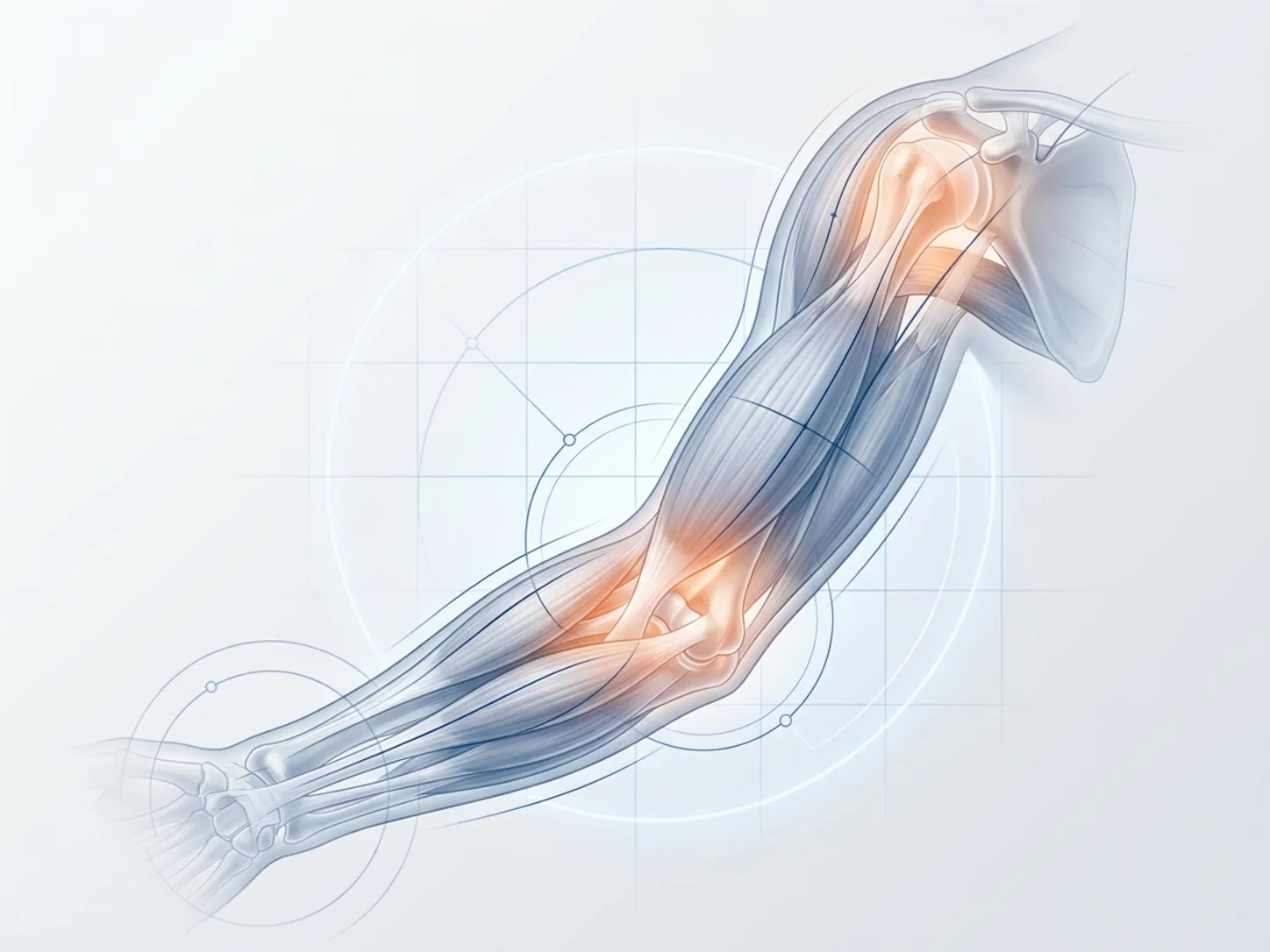
Musculoskeletal conditions affect the bones, joints, muscles, tendons, ligaments and the nerves that pass close to them. Common examples are osteoarthritis, tennis elbow, frozen shoulder, plantar fasciitis (heel pain) and carpal tunnel syndrome.
Many of these conditions improve with exercise, self-care and time, and only some need surgery.[2,3,5,6]
- Assessment of joint, muscle, tendon and nerve problems by the orthopaedic team
- Exercise-based treatment and physiotherapy[2]
- Medicines and, where appropriate, injections, with an explanation of their expected benefits and limits[2,8]
- Surgery, such as joint replacement or carpal tunnel release, when other treatment has not helped[2,6]
For each option, you will be told what to expect, including how long it is likely to take to work.
Conditions commonly assessed
- Osteoarthritis: can usually be diagnosed without an X-ray in people aged 45 or over who have activity-related joint pain and no morning stiffness, or stiffness lasting no longer than 30 minutes. The core treatments are therapeutic exercise and, where appropriate, weight loss.[2]
- Tennis elbow: pain around the outside of the elbow. It usually gets better after resting the arm for a few weeks but can last more than a year.[3]
- Frozen shoulder: pain and stiffness of the shoulder that can take months or years to get better. It can be linked to diabetes, or to an injury or operation that stopped the arm moving normally.[4]
- Plantar fasciitis: pain on the bottom of the foot around the heel and arch, often much worse when you first start walking after sleeping or resting.[5]
- Carpal tunnel syndrome: pain, numbness or tingling in the hand and fingers and a weak grip, often worse at night.[6]
- Inflammatory arthritis, such as rheumatoid arthritis, causes pain, swelling and stiffness in the joints. Early diagnosis matters, because early treatment can prevent it getting worse and reduce the risk of joint damage.[7] If it is suspected, the team will advise on referral to a rheumatologist.
When to seek an assessment
See a doctor if you have joint or muscle pain and:
- It has not improved after 2 weeks of treating it at home[1]
- Your joints are stiff for more than 30 minutes after waking up[1]
- The pain stops you doing normal activities or affects your sleep[1]
- A joint is swollen and feels hot, or you feel unwell with a high temperature (ask for an urgent appointment)[1]
- You have numbness or tingling in the hand, or a weak thumb or grip[6]
Treatment options
Treatment is matched to the condition and to what matters most to you.
- Exercise and physiotherapy: exercise tailored to you is a core treatment for osteoarthritis; joint pain may increase at first, but regular exercise over time reduces pain and improves function[2]
- Weight management: for people with osteoarthritis who are overweight, losing weight improves pain and function; any loss helps, and losing 10% of body weight is likely to be better than 5%[2]
- Medicines: for knee osteoarthritis an anti-inflammatory gel is offered first, and tablets may be considered if gels are not suitable[2]
- Walking aids and supports: a walking stick may help with hip or knee osteoarthritis; braces, insoles and splints are used only in specific situations[2]
- Splints for nerve problems: a night-time wrist splint for carpal tunnel syndrome may need up to 6 weeks to help[6]
- Injections: steroid injections can relieve pain for a short time (see the questions below)[2,8]
- Surgery: considered when symptoms substantially affect quality of life and non-surgical treatment has not helped, for example joint replacement for osteoarthritis[2]
NICE advises against TENS, therapeutic ultrasound, interferential, laser and pulsed short-wave therapy for osteoarthritis because there is insufficient evidence of benefit. It also advises against acupuncture, glucosamine and strong opioids, and against routine use of paracetamol or weak opioids, for osteoarthritis.[2]
Typical time frames
How long common conditions take to improve. Ranges vary from person to person.
- Plantar fasciitis
Review after 2 weeks
Self-care usually eases the pain; see a doctor if it has not improved within 2 weeks. Steroid injections, shockwave therapy or, less often, surgery may be considered if it persists.[5]
- Tennis elbow
A few weeks to over a year
Physiotherapy may help if symptoms have not improved after 6 weeks of home treatment. Surgery may be an option if it persists after 6 to 12 months.[3]
- Carpal tunnel syndrome
Weeks to months
It sometimes gets better by itself in a few months. After surgery, it can take about a month to get back to normal activities.[6]
- Frozen shoulder
Months to years
It can take months or years to get better, but the pain and stiffness usually go away eventually. Physiotherapy usually lasts at least 6 weeks.[4]
- Osteoarthritis
Long term
Sticking with an exercise plan over the long term increases its benefits, reducing pain and improving function and quality of life.[2]
Risks and limitations
Treatments for musculoskeletal conditions have limits as well as benefits.
- Steroid injections give short-term relief; for osteoarthritis, relief usually lasts 2 to 10 weeks[2]
- For tennis elbow, steroid injections reduce pain in the short term, but trials found results at 6 and 12 months were less good than with no injection[8]
- Serious complications of steroid injections around tendons are uncommon; in the trials reviewed, about 1 in 1,000 people had a tendon rupture[8]
- Steroid injections for carpal tunnel syndrome are not always a cure, and symptoms can return after a few months[6]
- Anti-inflammatory tablets can affect the stomach, kidneys, liver and heart; your doctor will consider your age, other medicines and health conditions[2]
- Exercise may increase joint pain at first[2]
- The risks of joint replacement vary with factors such as age, smoking, other health conditions and weight; your surgeon will explain them[2]
Ask for an urgent appointment the same day if a joint becomes swollen and hot, or you feel unwell with a high temperature. Go to the nearest emergency department if you cannot walk or put weight on a joint, a joint has moved out of place, or you have very bad pain or loss of feeling after an injury.[1]
Frequently asked questions
Patient pathway
Musculoskeletal Treatment treatment journey in Ludhiana
Patients receive a step-by-step clinical assessment focused on symptoms, diagnosis, treatment choices, recovery expectations, and follow-up care.
Consultation
The doctor reviews symptoms, history, current medicines, and previous reports.
Diagnosis
Imaging, lab tests, or specialist assessments may be advised when required.
Treatment plan
Options may include medication, therapy, minimally invasive care, surgery, or rehabilitation.
Recovery support
The team explains risks, recovery timelines, warning signs, and follow-up steps.
References
Sources are provided for general information; a qualified clinician can advise on your situation.
- Reference 2: Osteoarthritis in over 16s: diagnosis and management(opens in a new tab)
NICE, 2022nice.org.ukNG226
- Reference 8: Efficacy and safety of corticosteroid injections and other injections for management of tendinopathy: a systematic review of randomised controlled trials(opens in a new tab)
The Lancet, 2010pubmed.ncbi.nlm.nih.govdoi:10.1016/S0140-6736(10)61160-9
- Reference 9: Platelet-rich therapies for musculoskeletal soft tissue injuries(opens in a new tab)
Cochrane Database of Systematic Reviews, 2014pubmed.ncbi.nlm.nih.govdoi:10.1002/14651858.CD010071.pub3
This page was prepared with AI assistance and is awaiting review by a hospital clinician.
Book an appointment with our team