Hunjan Hospital Ludhiana
Shoulder Replacement Surgery
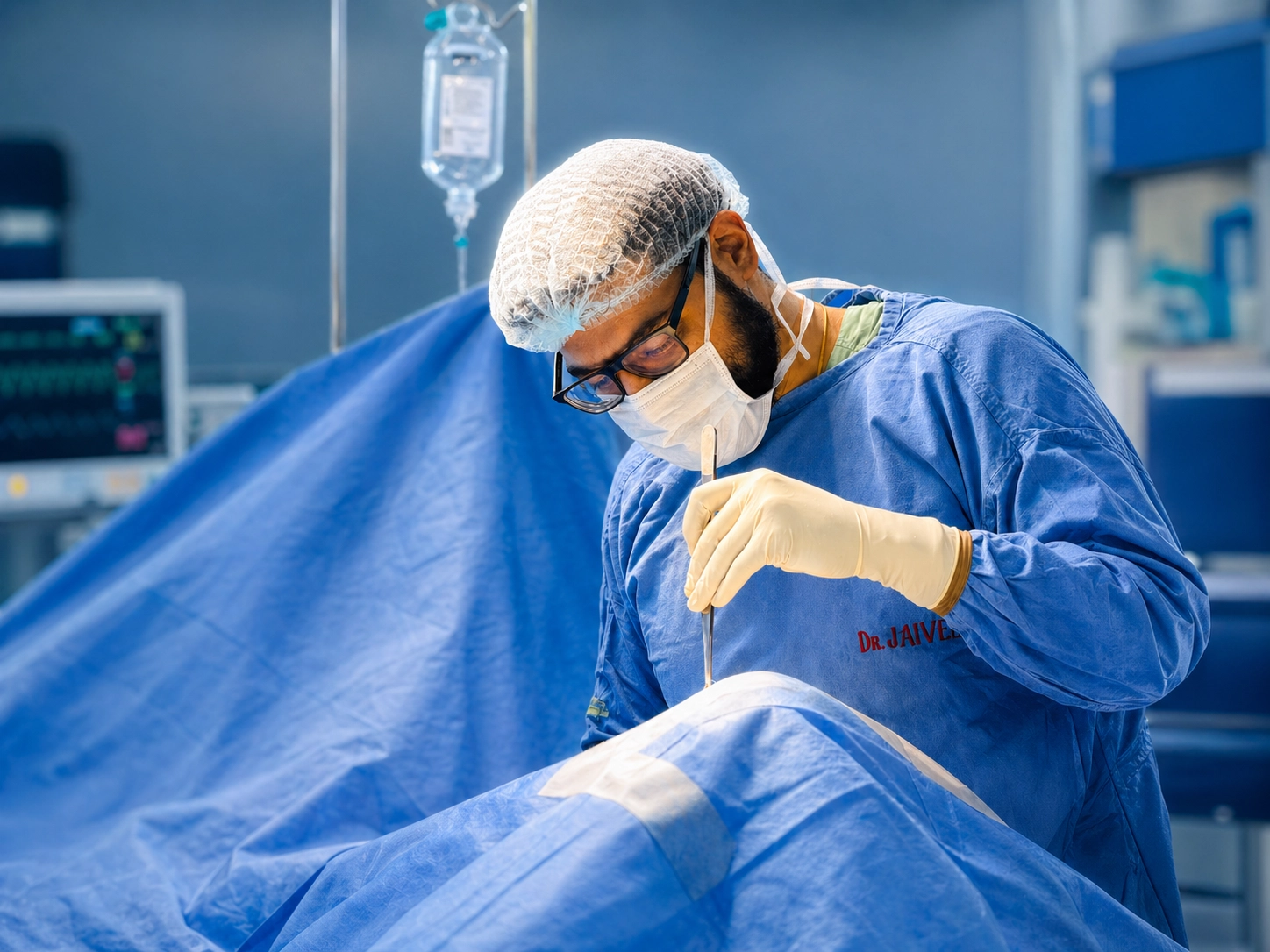
Hunjan Super Speciality Hospital, Ludhiana offers shoulder replacement surgery - including total anatomic and reverse shoulder arthroplasty - to relieve…
Shoulder Replacement Surgery in Ludhiana at Hunjan Hospital
- Total anatomic shoulder replacement for arthritis with intact rotator cuff
- Reverse shoulder arthroplasty for rotator-cuff tear arthropathy and complex fractures
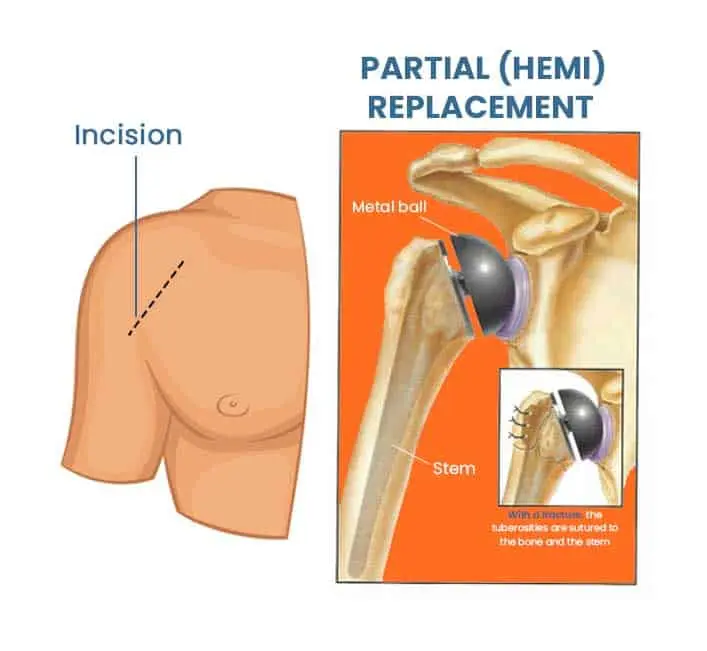
- Hemi-arthroplasty for selected fracture patterns in older patients
- Minimally disruptive deltopectoral approach preserving muscle function
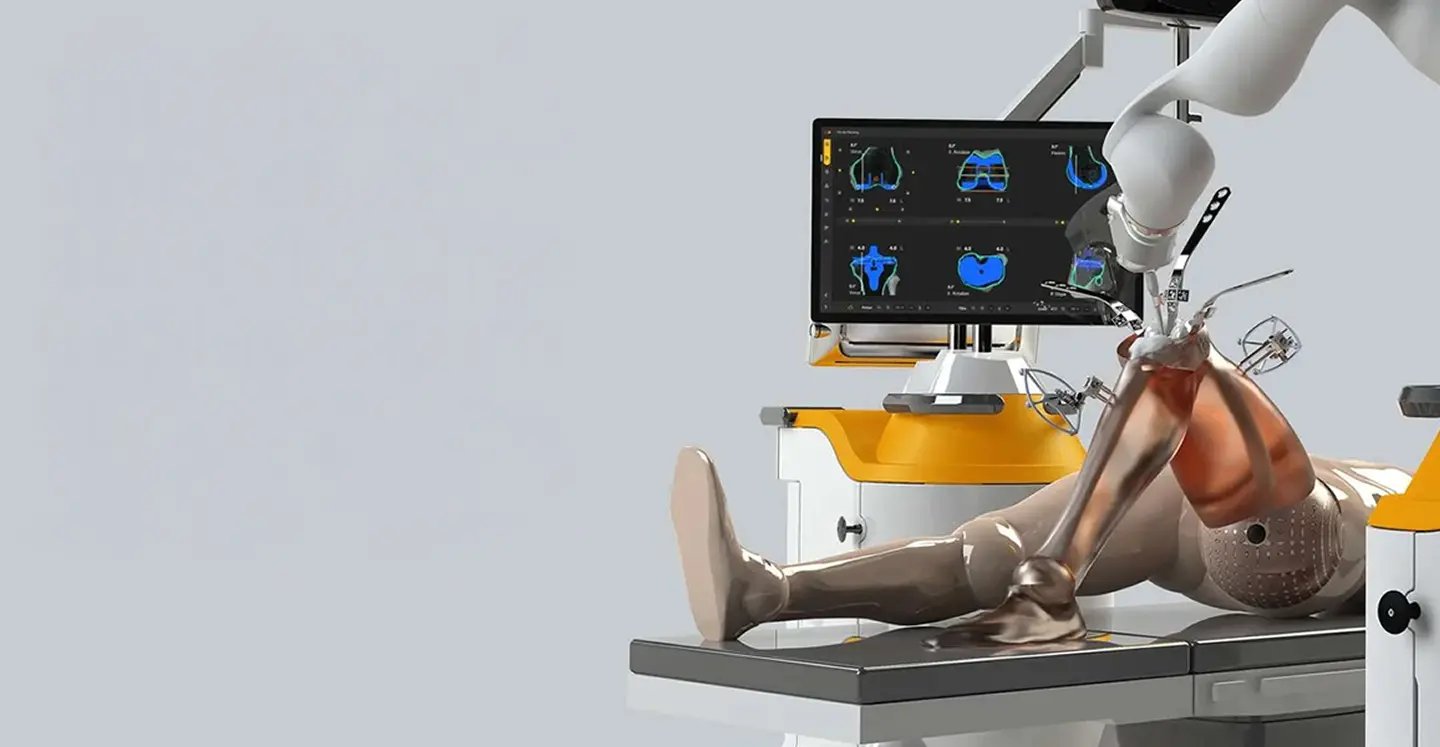
- NABH pre-accredited OT with international-standard upper-limb implants
- In-house physiotherapy - essential for optimal shoulder function post-surgery
- 100+ insurers accepted; cashless facility available
Shoulder replacement is less common than knee or hip replacement, and outcomes are strongly influenced by surgeon experience and dedicated post-operative rehabilitation. Hunjan Hospital combines both: an experienced surgical team and a structured, in-house physiotherapy programme.
Total vs. Reverse Shoulder Replacement
Choosing the correct type of shoulder replacement is critical to achieving a good outcome. The decision is based on the condition of the rotator cuff muscles and tendons - the dynamic stabilisers of the shoulder - as well as the pattern of bone loss and patient age and activity level.
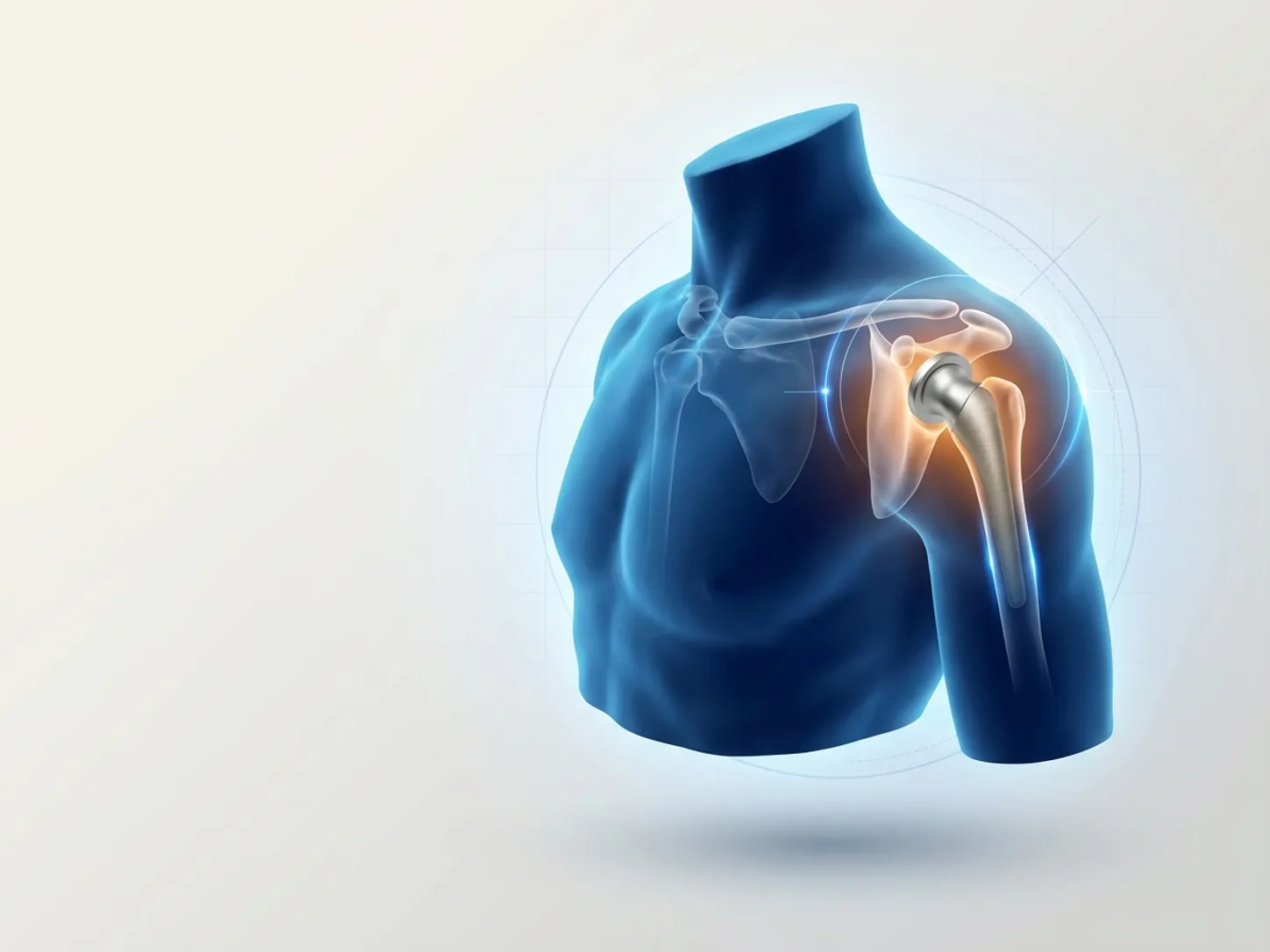
Total anatomic shoulder replacement recreates the natural ball-and-socket anatomy. It is suited for patients with glenohumeral osteoarthritis and a functioning rotator cuff. The glenoid (socket) receives a polyethylene component and the humeral head is replaced with a metal stem and head.
Reverse shoulder arthroplasty inverts the anatomy - placing the ball on the glenoid side and the socket on the humerus - to allow the deltoid muscle to power arm elevation when the rotator cuff is absent or irreparably torn. It is the preferred choice for rotator-cuff tear arthropathy, revision shoulder replacement and many complex proximal humerus fractures in older patients.
Who Is a Candidate for Shoulder Replacement?
Shoulder replacement is considered for patients whose shoulder disease significantly limits daily function and has not responded to non-operative treatment. Typical candidates include:
- Severe glenohumeral osteoarthritis with bone-on-bone X-ray changes
- Rheumatoid arthritis causing progressive shoulder joint destruction
- Rotator-cuff tear arthropathy (massive irreparable cuff tear with joint damage)
- Complex proximal humerus fractures not amenable to fixation in older patients
- Avascular necrosis of the humeral head
- Failed prior shoulder surgery (e.g., failed hemi-arthroplasty)
- Persistent disabling pain despite 6+ months of physiotherapy, injections and medication
Shoulder Replacement: Recovery Timeline
Recovery following shoulder replacement is longer than for knee or hip, reflecting the complexity of shoulder muscle rehabilitation. Consistency with physiotherapy is the single most important factor in outcome.
- Day 1
Surgery Day & Sling
Shoulder replacement is performed under general anaesthesia with a regional nerve block for post-operative pain control. You will wake with your arm in a sling. The nerve block typically provides comfort for 12–18 hours. Gentle pendulum exercises begin the following morning under physiotherapy supervision.
- Week 1–2
Discharge & Passive Range of Motion
Most patients are discharged within 2–4 days. The arm remains in a sling for 4–6 weeks. A physiotherapist teaches passive (therapist-assisted) range-of-motion exercises. Wound care, swelling management and activity restrictions are reviewed in detail before discharge.
- Week 3–6
Sling Weaning & Active-Assisted Movement
As wound healing progresses, active-assisted exercises are introduced. The sling is gradually weaned as per surgeon direction, typically by 4–6 weeks. Light tasks with the arm at waist level (e.g., eating, personal care) are encouraged.
- 3 Months
Strengthening Phase
Active strengthening exercises for the deltoid and remaining rotator cuff muscles begin. Most patients achieve functional range for daily tasks - reaching forward, combing hair and light lifting - by 3 months. Progress in reverse shoulder arthroplasty is often quicker, as deltoid activation is less dependent on cuff integrity.
- 6–12 Months
Maximal Functional Recovery
Continued improvement in strength and range occurs through the first year. Realistic goals include pain-free daily activities, improved sleep and return to light recreational pursuits. Overhead sports or heavy lifting restrictions may remain permanent - your surgeon will advise on activity-specific guidance.
Shoulder Replacement Surgery Cost in Ludhiana
Indicative cost ranges. Costs vary based on the type of replacement (anatomic vs. reverse), implant used, and inpatient duration.
Hemi-arthroplasty (humeral head only)
For selected fracture patterns
₹1,20,000 – ₹1,80,000
Total Anatomic Shoulder Replacement
Arthritis with intact rotator cuff
₹1,80,000 – ₹2,80,000
Reverse Shoulder Arthroplasty
Implant complexity and cuff-tear arthropathy
₹2,20,000 – ₹3,20,000
Revision Shoulder Replacement
Highly variable based on prior implant and bone stock
On consultation
Physiotherapy Package (in-house)
Inpatient sessions included; outpatient programme priced separately
On consultation
Insurance / Cashless
100+ insurers accepted; pre-authorisation assistance provided
Available
All figures are approximate. A precise estimate is provided after clinical evaluation and implant planning. Please bring prior imaging (MRI, X-ray) and insurance documents to your consultation.
Frequently Asked Questions - Shoulder Replacement Surgery
Patient pathway
Shoulder Replacement Surgery treatment journey in Ludhiana
Patients receive a step-by-step clinical assessment focused on symptoms, diagnosis, treatment choices, recovery expectations, and follow-up care.
Consultation
The doctor reviews symptoms, history, current medicines, and previous reports.
Diagnosis
Imaging, lab tests, or specialist assessments may be advised when required.
Treatment plan
Options may include medication, therapy, minimally invasive care, surgery, or rehabilitation.
Recovery support
The team explains risks, recovery timelines, warning signs, and follow-up steps.
We are waiting to serve with our speciality. Grab a free Consultation