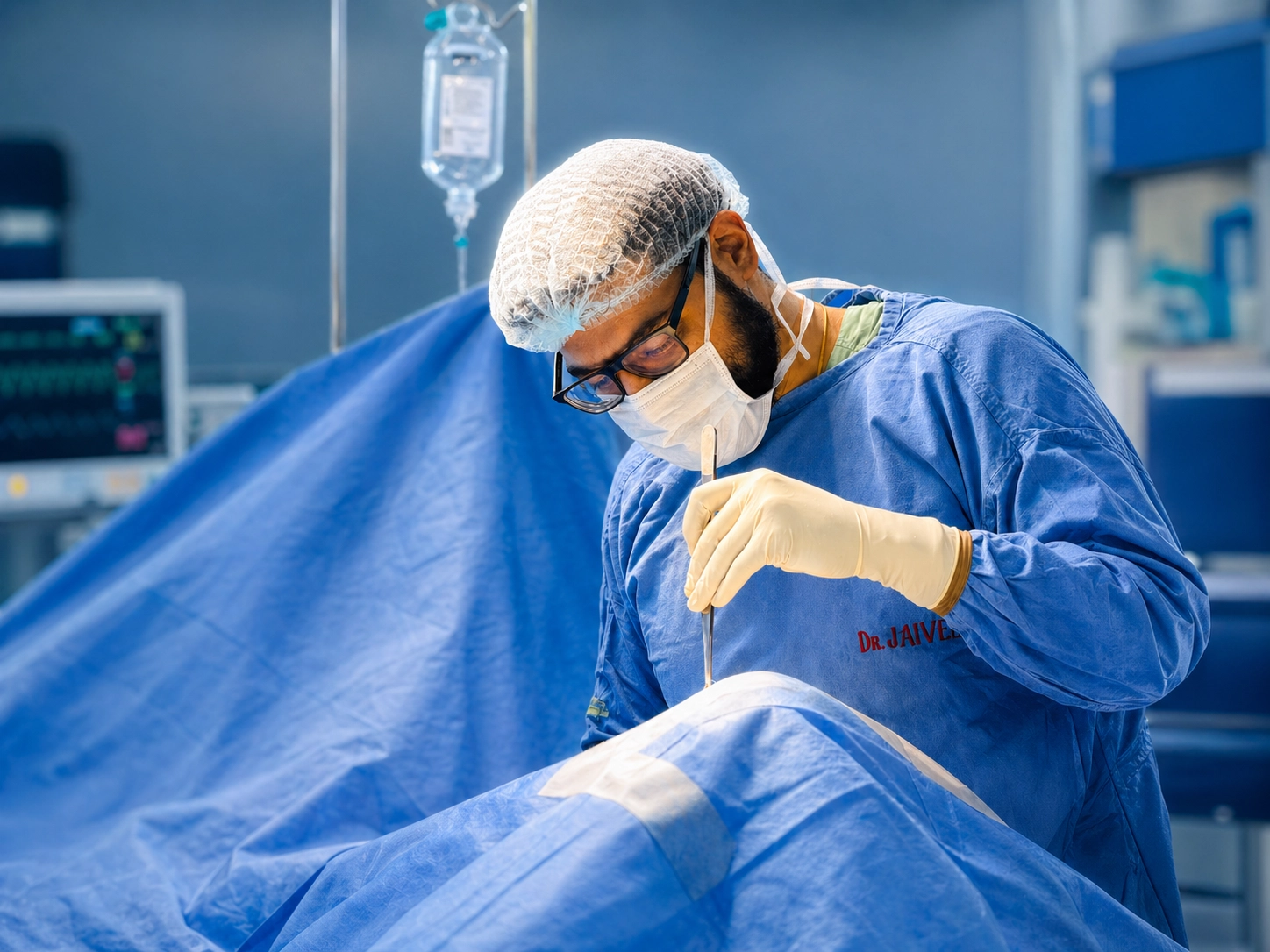
Hunjan Hospital Ludhiana
Slip Disc Treatment
Hunjan Hospital in Ludhiana offers comprehensive slip disc (herniated disc) treatment, combining conservative physiotherapy and medication with surgical…
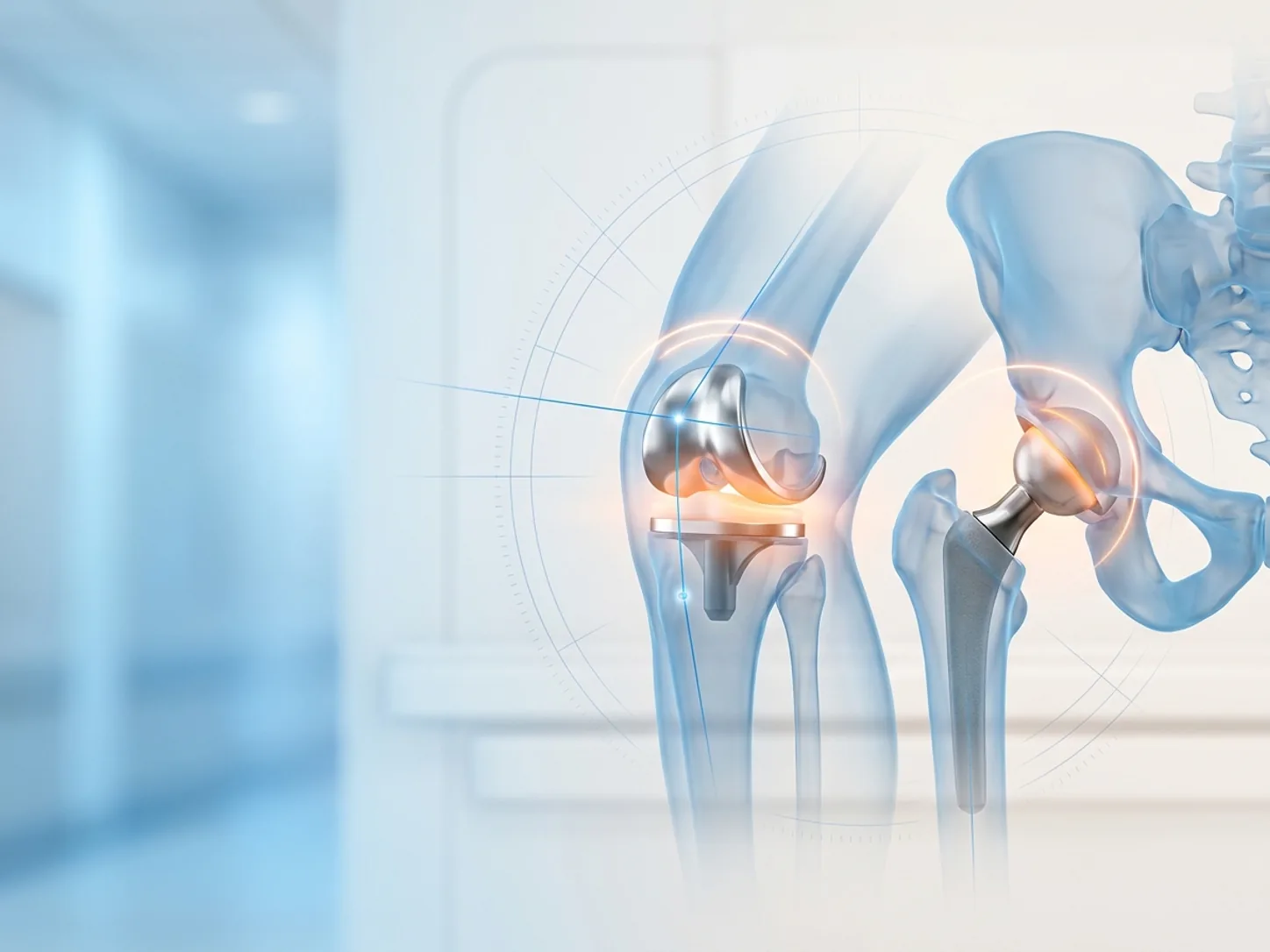
Slip Disc Treatment in Ludhiana
- Accurate diagnosis with MRI and clinical nerve assessment
- Structured non-surgical pathway: physiotherapy, pain management, and lifestyle guidance
- Epidural steroid injections and nerve root blocks for persistent radicular pain
- Microdiscectomy surgery for cases with neurological deficit or failed conservative care
- In-house physiotherapy department for guided rehabilitation
- NABH pre-accredited hospital serving patients across Punjab and beyond
The majority of slip disc episodes resolve with appropriate conservative treatment. Surgery is reserved for specific indications and is discussed transparently with patients before any decision is made.
Understanding a Slip Disc
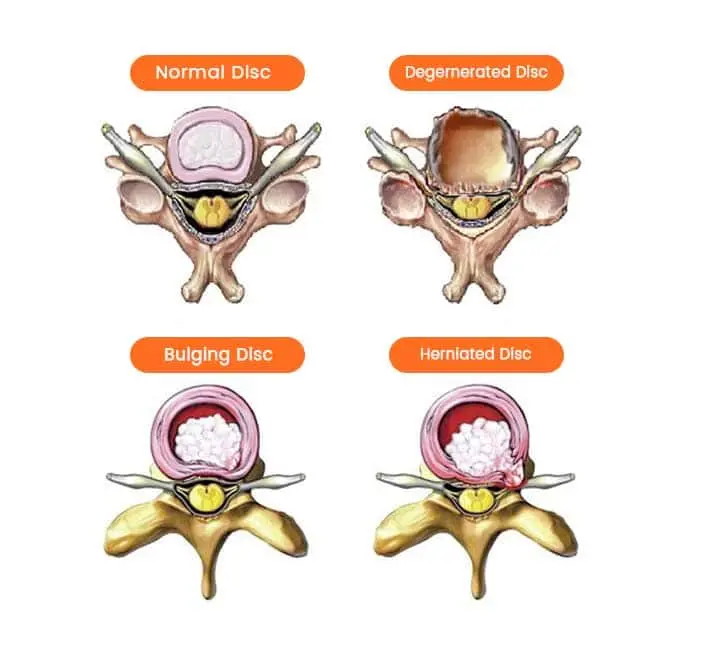
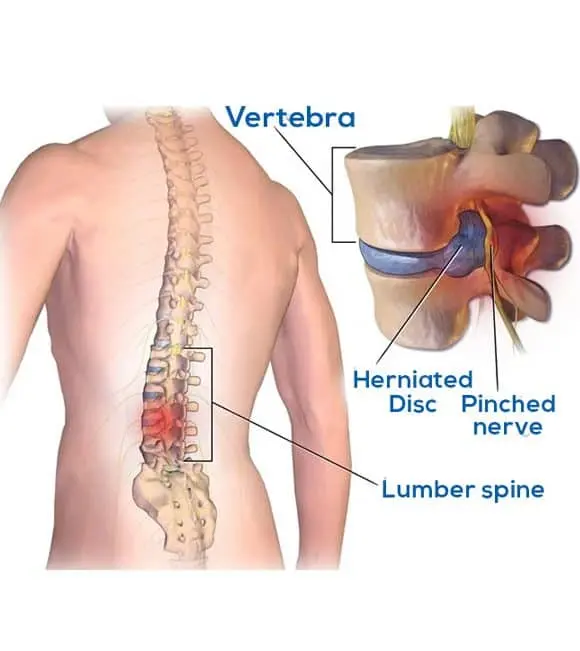
An intervertebral disc acts as a cushion between the vertebrae of the spine. Each disc has a tough outer ring (annulus fibrosus) and a soft gel-like centre (nucleus pulposus). A slip disc - medically called disc herniation or disc prolapse - occurs when the nucleus pushes through a tear in the annulus and presses on nearby spinal nerves.
In the lumbar spine (lower back), this commonly causes sciatica: a shooting pain, burning sensation, or numbness that travels from the lower back into the buttock and down one leg. In the cervical spine (neck), a herniated disc can cause arm pain, tingling in the fingers, and neck stiffness. Thoracic disc herniation is less common but can cause mid-back pain or, rarely, symptoms in both legs.
Common causes include age-related disc degeneration, repetitive bending or lifting, a sudden awkward movement, or prolonged poor posture. At Hunjan Hospital, Ludhiana, diagnosis is confirmed with a combination of clinical examination and MRI imaging, which helps distinguish disc herniation from other causes of back pain such as muscle strain or facet joint disease.
Non-Surgical Treatment for Slip Disc
Most patients with a slip disc improve significantly within 6–12 weeks of well-structured conservative treatment. At Hunjan Hospital’s in-house physiotherapy department in Ludhiana, our physiotherapists design personalised programmes that focus on pain reduction, core muscle strengthening, and safe movement patterns.
The non-surgical pathway typically includes: a short course of rest (avoiding bed rest beyond 1–2 days), anti-inflammatory medications, muscle relaxants where appropriate, and physiotherapy. Techniques such as McKenzie exercises, traction, and manual therapy are used selectively based on individual presentation.
For patients with persistent pain that does not respond to these measures, guided epidural steroid injections or selective nerve root blocks can reduce inflammation around the compressed nerve and allow rehabilitation to progress. These are performed under image guidance and are considered before recommending surgery.
- Supervised physiotherapy: core strengthening, postural correction, nerve mobilisation
- Oral anti-inflammatory medications and muscle relaxants
- Selective nerve root block or epidural steroid injection for refractory radiculopathy
- Activity modification and ergonomic education
- Weight management guidance to reduce spinal load
Lifestyle changes - particularly strengthening the core, maintaining a healthy weight, and avoiding prolonged sitting - play a significant role in preventing recurrence.
When is Surgery Required for a Slip Disc?
Surgery is considered in a minority of slip disc cases and only after a careful evaluation of the clinical picture, imaging findings, and response to conservative treatment.
- Persistent or worsening leg/arm pain (radiculopathy) despite 6–12 weeks of conservative care
- Progressive motor weakness - difficulty lifting the foot, hand weakness
- Cauda equina syndrome: sudden onset of bladder/bowel dysfunction - this is a surgical emergency
- Severe pain not controlled by medication or injections that significantly limits daily function
- Confirmed nerve compression on MRI matching clinical symptoms
Slip Disc Recovery Pathway
Typical stages from onset of symptoms to return to normal activity
- Week 1–2
Acute Pain Management
Rest (limited), medications, and assessment. MRI is arranged to confirm the diagnosis and extent of disc herniation.
- Week 2–6
Active Physiotherapy
Supervised exercises targeting core stability, nerve mobilisation, and posture. Most patients experience meaningful improvement during this phase.
- Week 6–12
Reassessment
If pain persists, guided injections may be considered. Surgical consultation is arranged if there is neurological deterioration or failed conservative care.
- Post-surgery (if needed)
Surgical Recovery
Microdiscectomy patients are typically mobilised within 24 hours and discharged in 2–3 days. Physiotherapy resumes within 1–2 weeks of surgery.
- Month 3–6
Return to Full Activity
Most patients - surgical and non-surgical - return to work and normal activities within 3–6 months with ongoing core strengthening exercises.
Frequently Asked Questions - Slip Disc Treatment
Patient pathway
Slip Disc Treatment treatment journey in Ludhiana
Patients receive a step-by-step clinical assessment focused on symptoms, diagnosis, treatment choices, recovery expectations, and follow-up care.
Consultation
The doctor reviews symptoms, history, current medicines, and previous reports.
Diagnosis
Imaging, lab tests, or specialist assessments may be advised when required.
Treatment plan
Options may include medication, therapy, minimally invasive care, surgery, or rehabilitation.
Recovery support
The team explains risks, recovery timelines, warning signs, and follow-up steps.
We are waiting to serve with our speciality. Grab a free Consultation