Hunjan Hospital Ludhiana
Spine Surgery
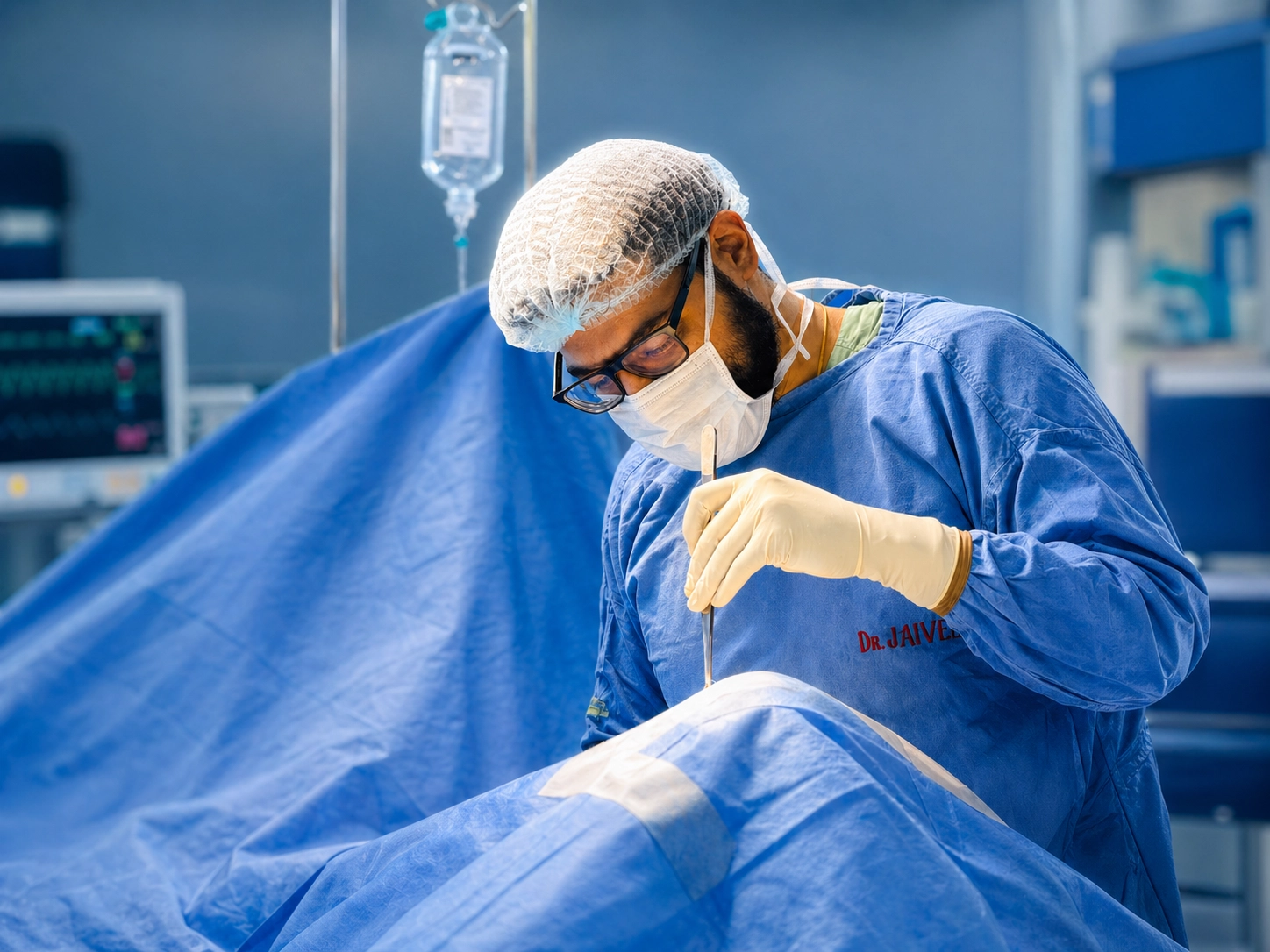
Hunjan Super Speciality Hospital in Ludhiana offers spine surgery for conditions that do not respond to conservative care, guided by over 40 years of…
Spine Surgery in Ludhiana
- Surgical correction for herniated discs, spinal stenosis, spondylolisthesis, and spinal instability
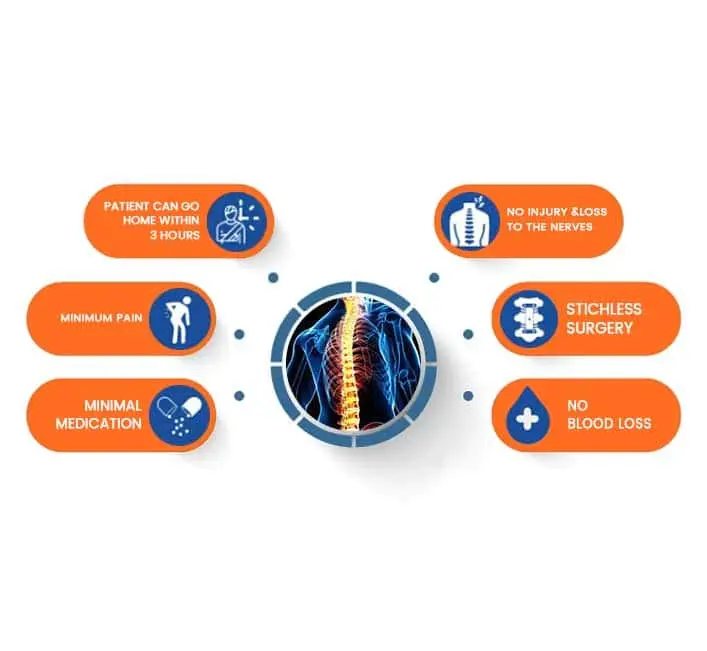
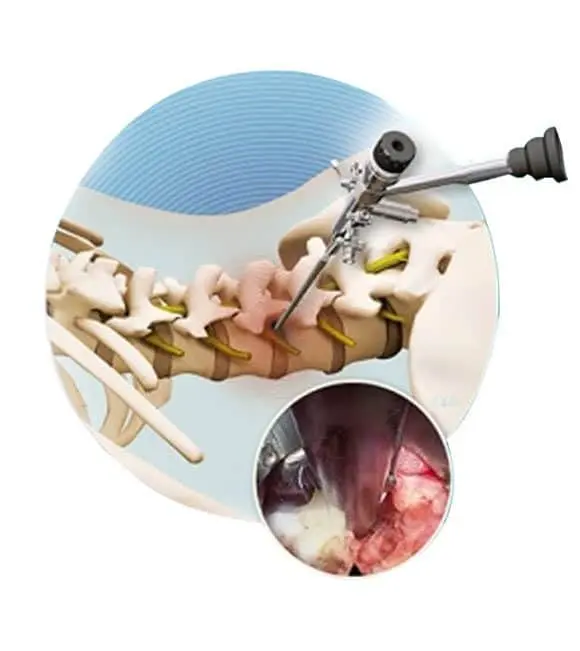
- Minimally invasive spine surgery (MISS) techniques to reduce tissue disruption and recovery time
- Decompression procedures including laminectomy and discectomy
- Spinal fusion surgery for unstable vertebral segments
- Vertebroplasty and kyphoplasty for compression fractures
- NABH pre-accredited facility with dedicated spine operation theatres in Ludhiana
- In-house physiotherapy for post-surgical rehabilitation starting from day one
Our spine team evaluates each patient thoroughly before recommending surgery. The decision to operate is made only when non-surgical options have been exhausted or when neurological function is at risk.
Conditions Treated with Spine Surgery
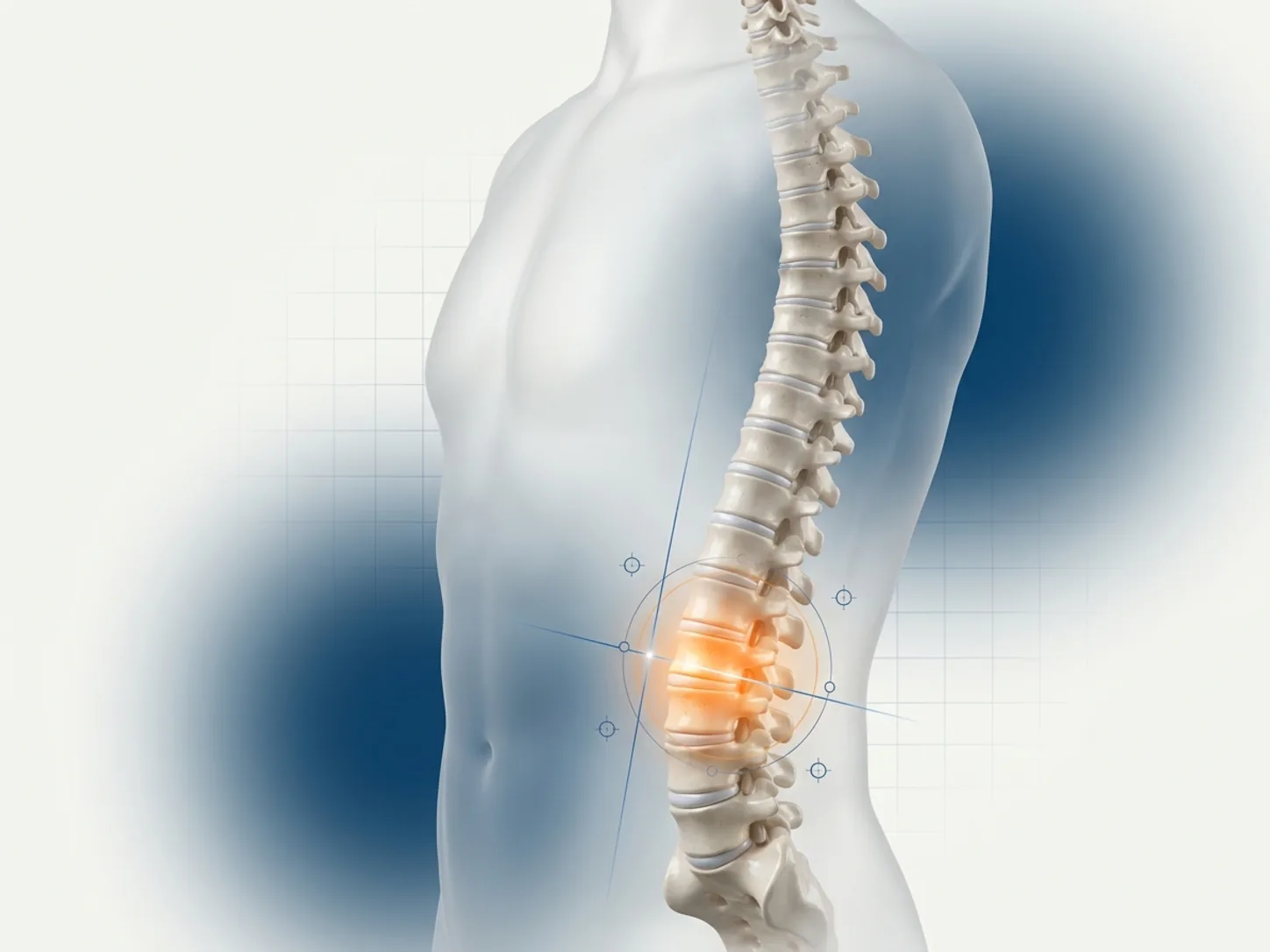
The spine is a complex structure of vertebrae, discs, ligaments, and nerves. When any of these components fail - whether through degeneration, injury, or disease - they can compress spinal nerves and cause pain, numbness, or weakness that significantly affects daily life.
At Hunjan Hospital, Ludhiana, our surgeons address a broad range of spinal conditions. Lumbar disc herniation (slip disc) that causes persistent sciatica may require a microdiscectomy. Spinal canal narrowing (stenosis) causing neurogenic claudication is managed with decompression. Spondylolisthesis - where one vertebra slips over another - may be stabilised with instrumented fusion.
Degenerative disc disease in the cervical (neck) or lumbar (lower back) spine, when causing radiculopathy or myelopathy, can be addressed with anterior cervical discectomy and fusion (ACDF) or posterior cervical procedures. Fractures of vertebrae, whether from trauma or osteoporosis, are stabilised with minimally invasive fixation or cement augmentation techniques.
- Lumbar and cervical disc herniation (microdiscectomy, ACDF)
- Spinal stenosis - lumbar and cervical (laminectomy, foraminotomy)
- Spondylolisthesis (instrumented posterolateral fusion)
- Degenerative disc disease with radiculopathy
- Vertebral compression fractures (vertebroplasty / kyphoplasty)
- Spinal tumours and infections requiring surgical stabilisation
Surgery is planned only after a thorough review of MRI and CT imaging and a detailed clinical examination. Our goal is maximum nerve decompression with minimal disruption to surrounding healthy tissue.
Who May Need Spine Surgery?
Surgery is generally considered when conservative treatments such as physiotherapy, medications, and guided injections have not provided adequate relief over an appropriate period, or when there is progressive neurological deficit.
- Persistent leg or arm pain (radiculopathy) not improving after 6–12 weeks of non-surgical treatment
- Progressive weakness or numbness in limbs indicating nerve compression
- Loss of bladder or bowel control (cauda equina syndrome) - a surgical emergency
- Spinal instability causing severe mechanical pain
- Vertebral fracture causing nerve compression or significant deformity
- Failed conservative management for spinal stenosis with functional limitation
What to Expect: Spine Surgery Journey at Hunjan Hospital
A step-by-step overview of your care pathway from consultation to recovery
- Step 1
Consultation & Imaging Review
Your surgeon reviews your history, clinical examination, MRI/CT scans, and prior treatment records to confirm the diagnosis and assess surgical suitability.
- Step 2
Pre-operative Assessment
Blood tests, anaesthesia fitness review, and patient counselling. Insurance authorisation is coordinated by our billing team - we work with 100+ insurers and cashless facilities.
- Step 3
Surgery
The procedure is performed under general or spinal anaesthesia in our dedicated operation theatre. Minimally invasive approaches are used wherever clinically appropriate.
- Step 4
Post-operative Care (Days 1–3)
Pain is managed with a multimodal protocol. Our in-house physiotherapist begins gentle mobilisation as early as the first post-operative day for most lumbar procedures.
- Step 5
Discharge & Home Recovery (Week 1–6)
Patients are discharged with a structured home exercise plan, wound care instructions, and follow-up appointments. Avoiding strenuous activity is advised during this phase.
- Step 6
Long-term Rehabilitation
Core strengthening and posture correction programmes in our in-house physiotherapy department support long-term spinal health and reduce recurrence risk.
Spine Surgery Cost in Ludhiana
Indicative cost ranges - exact figures depend on procedure type, implants, and length of stay. All figures in Indian Rupees.
Microdiscectomy (Lumbar)
Single-level; minimally invasive approach where suitable
On consultation
Laminectomy / Decompression
Single or multi-level; complexity determines final cost
On consultation
Spinal Fusion (Instrumented)
Implant type and number of levels influence cost
On consultation
ACDF (Cervical)
Anterior approach; implant and cage costs included
On consultation
Vertebroplasty / Kyphoplasty
Cement augmentation for compression fractures
On consultation
Cashless Insurance
Tie-ups with 100+ insurers including government schemes
Available
Cost estimates are indicative and subject to change based on individual clinical assessment, implant selection, anaesthesia type, and length of hospital stay. Please consult our team for a personalised quote. Hunjan Hospital is empanelled with over 100 insurance providers and government health schemes for cashless treatment.
Frequently Asked Questions - Spine Surgery at Hunjan Hospital
Patient pathway
Spine Surgery treatment journey in Ludhiana
Patients receive a step-by-step clinical assessment focused on symptoms, diagnosis, treatment choices, recovery expectations, and follow-up care.
Consultation
The doctor reviews symptoms, history, current medicines, and previous reports.
Diagnosis
Imaging, lab tests, or specialist assessments may be advised when required.
Treatment plan
Options may include medication, therapy, minimally invasive care, surgery, or rehabilitation.
Recovery support
The team explains risks, recovery timelines, warning signs, and follow-up steps.
We are waiting to serve with our speciality. Grab a free Consultation