Hunjan Hospital Ludhiana
Neuro Rehabilitation
Neuro-rehabilitation at Hunjan Hospital, Ludhiana supports recovery after stroke, nerve injury, and neurosurgery through structured physiotherapy…
Neuro-Rehabilitation at Hunjan Hospital, Ludhiana
- Stroke rehabilitation: early mobilisation, balance retraining, and upper-limb recovery
- Peripheral nerve injury: sensory re-education and progressive motor retraining
- Post-neurosurgery rehabilitation after brain or spinal cord procedures
- Parkinson’s disease and movement disorder physiotherapy
- Spasticity management and contracture prevention
- Close collaboration between physiotherapists and the neurology and neurosurgery teams
At our NABH pre-accredited facility in Ludhiana, neuro-rehabilitation begins early - often within 24–48 hours of stabilisation - because the brain’s window of neuroplasticity is greatest in the acute phase.
How Neuro-Rehabilitation Works
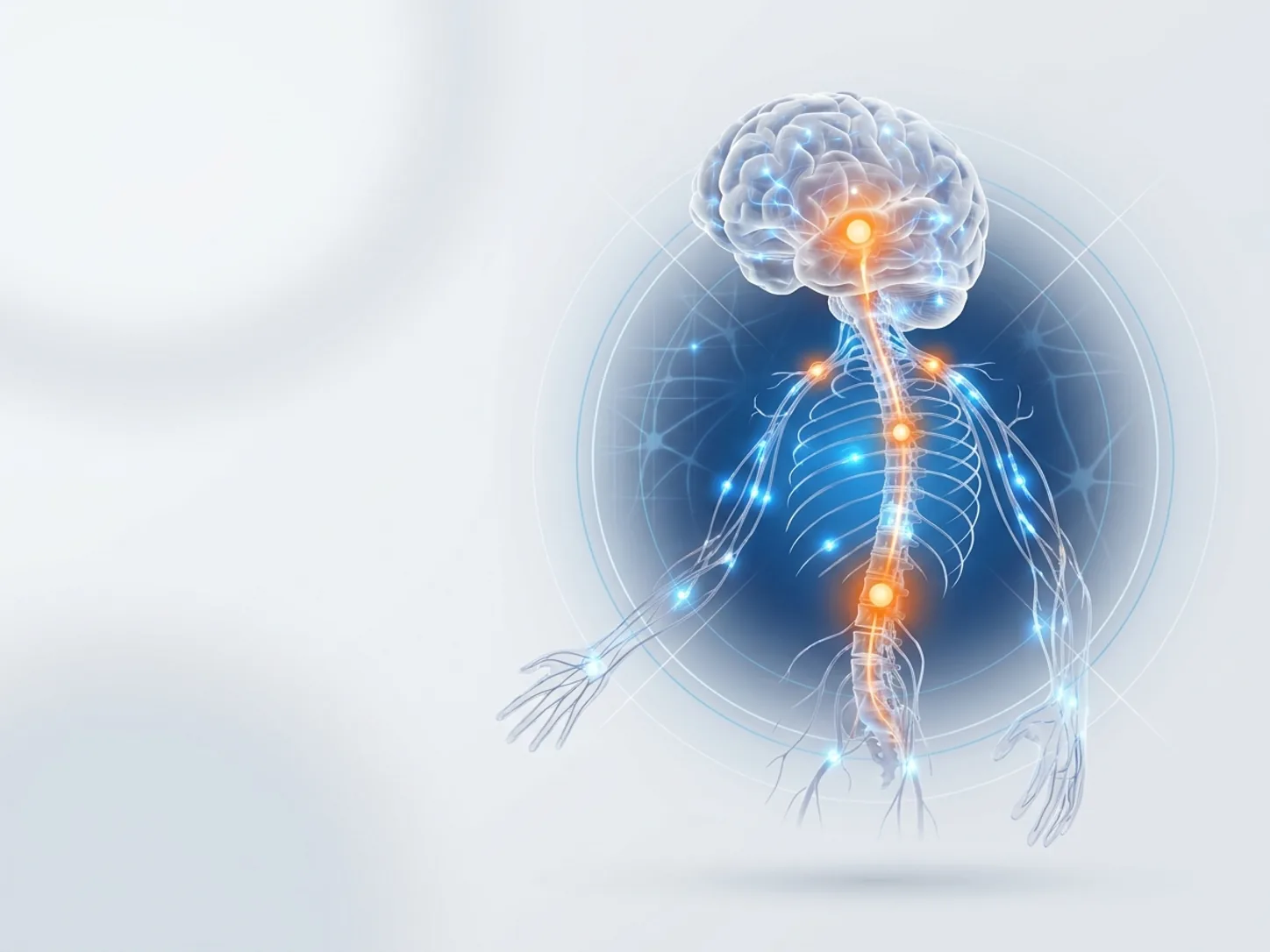
Neuroplasticity - the brain and nervous system’s ability to reorganise and form new connections - is the biological foundation of neuro-rehabilitation. Repetitive, task-specific practice of functional movements drives this reorganisation. The earlier and more consistently rehabilitation begins, the more the nervous system can adapt.
At Hunjan Hospital, Ludhiana, our physiotherapists use evidence-based techniques including task-oriented training, constraint-induced movement therapy concepts, gait retraining, and sensory integration exercises. Programmes are individually designed and progress is formally reviewed at regular intervals to ensure the plan keeps pace with the patient’s recovery.
- Bobath and task-oriented approaches to restore normal movement patterns
- Gait retraining with appropriate walking aids and progressive balance challenges
- Upper-limb rehabilitation targeting fine motor skills and activities of daily living
- Respiratory physiotherapy for patients with reduced respiratory muscle control
- Caregiver education to support safe assisted mobility at home
- Goal-setting with patients and families to maintain motivation and measure progress
Recovery after neurological injury is rarely linear. Our team monitors for plateaus and introduces new therapeutic challenges to sustain progress over the weeks and months of rehabilitation.
Neuro-rehabilitation session
Physiotherapist supporting stroke patient with balance and stepping exercise
Media to be provided
Who Benefits From Neuro-Rehabilitation?
Neuro-rehabilitation is appropriate for patients with any condition affecting the brain, spinal cord, or peripheral nerves that impairs movement, balance, or sensation:
- Stroke survivors with hemiplegia, weakness, or coordination difficulties
- Patients recovering from traumatic brain injury
- Individuals after spinal cord injury or spinal surgery with neurological involvement
- Patients with peripheral nerve injuries (brachial plexus, sciatic nerve, facial nerve)
- People living with Parkinson’s disease, multiple sclerosis, or other movement disorders
- Post-neurosurgery patients (tumour resection, AVM surgery, spinal decompression)
Stroke Rehabilitation Pathway
Phase-wise guide - recovery timelines are highly individual and depend on stroke severity and location
- Days 1–7
Hyperacute & Acute Phase
Positioning to prevent secondary complications, early sitting and standing tolerance, and basic limb activation exercises alongside medical management.
- Week 2–4
Early Active Rehabilitation
Supervised transfers, standing balance, assisted walking, and upper-limb task practice. Swallowing and communication therapy coordinated as required.
- Month 2–3
Functional Independence Building
Progressive gait training (with or without walking aids), stair practice, self-care activity retraining, and community mobility preparation.
- Month 3–6
Community Reintegration
Higher-level balance and endurance work, return-to-work assessment where applicable, and home programme progression with caregiver support.
- Ongoing
Long-Term Maintenance
Periodic review sessions to maintain gains, address new challenges, and adjust the home programme as the patient’s goals evolve.
Frequently Asked Questions - Neuro-Rehabilitation
Rehab pathway
Neuro Rehabilitation recovery journey in Ludhiana
Patients receive a functional assessment focused on pain, mobility, strength, balance, activity limits, recovery goals, and safe return to daily life.
Assessment
The physiotherapy team reviews symptoms, movement, strength, posture, and previous medical reports.
Rehab plan
Exercises, manual therapy, pain-management methods, and home guidance are planned around the condition.
Progression
Therapy intensity and goals are updated as mobility, confidence, and function improve.
Prevention
Patients receive practical advice to reduce recurrence and maintain long-term function.
We are waiting to serve with our speciality. Grab a free Consultation