Hunjan Hospital Ludhiana
Physiotherapy for Pain Management
Physiotherapy assessment, exercise and self-management advice for back, neck and joint pain, with balanced information on what the evidence shows.
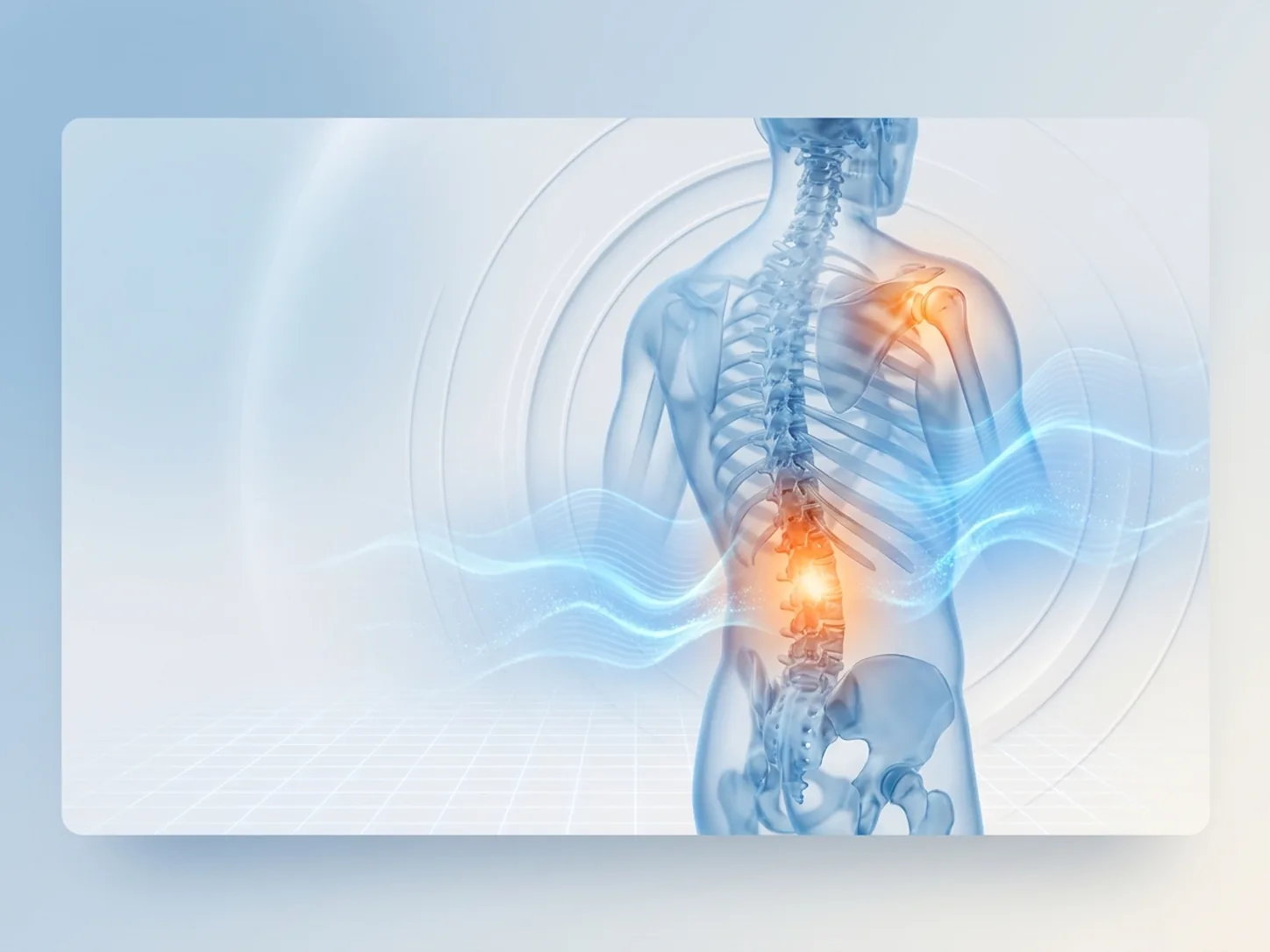
What is physiotherapy for pain?
Physiotherapy for pain aims to help you move with more confidence and return to the activities that matter to you when pain comes from muscles, joints or the back. Physiotherapy uses exercise, hands-on techniques and advice, and can help with problems such as arthritis, back pain and neck pain.[1]
At Hunjan Hospital in Ludhiana, physiotherapy for pain works alongside medical care. Physiotherapists do not prescribe medicines; questions about medicines, injections or surgery are for your doctor.
- Low back pain, with or without sciatica
- Neck and shoulder pain
- Knee and hip pain from osteoarthritis
- Pain after an injury or operation that is slow to settle
- Long-term widespread pain, such as fibromyalgia
- Aches linked to posture or repeated tasks at work
For long-term pain, the aim is usually to improve what you can do and how you manage your pain, rather than to remove pain completely.
How pain is assessed and treated
Your physiotherapist asks about your pain, general health and daily activities, examines how you move, and looks for signs of other causes that need a doctor’s review, such as infection, injury or inflammatory disease.[2] For low back pain, scans are not routinely needed and are considered only if the result is likely to change your treatment.[2]
Treatment is agreed with you and usually includes:
- Information about your condition and encouragement to continue normal activities as far as possible[2]
- An exercise programme tailored to you, such as muscle strengthening and general fitness exercise,[4] which may be supervised or done in a group[2,3]
- Hands-on (manual) therapy, used only alongside exercise and not on its own[2,4]
- Support to return to work and normal daily activities[2]
- A plan for managing flare-ups and continuing exercise at home
For long-term low back pain, a Cochrane review found moderate-certainty evidence that exercise probably reduces pain compared with no treatment, usual care or placebo.[5] For knee osteoarthritis, a 2024 Cochrane review found that exercise probably improves pain, physical function and quality of life in the short term.[6]
Who may benefit
Physiotherapy may help if pain is limiting your daily life. Examples include:
- Low back pain, with or without sciatica: self-management advice for everyone, and exercise programmes with or without manual therapy for people at higher risk of a poor outcome[2]
- Osteoarthritis: therapeutic exercise is a core treatment, with weight management where appropriate[4]
- Chronic primary pain, including fibromyalgia: a supervised group exercise programme[3]
- Other joint and muscle problems, such as neck pain, where physiotherapy can help ease pain and improve movement[1]
What a course of physiotherapy may look like
The number and timing of sessions depend on your condition, your goals and how you respond.
- First visit
Assessment and plan
Assessment, a check for warning signs, an explanation of the findings and agreed goals. You usually leave with your first exercises and advice.
- Early weeks
Starting to move more
Exercises begin at a level you can manage. With osteoarthritis, joint pain may increase when you start exercising, but regular and consistent exercise is still expected to help.[4] Back pain usually improves within a few weeks.[7]
- Following weeks
Building strength and confidence
Exercises are progressed and linked to your work, home and leisure activities, with support to return to normal activities.[2]
- Longer term
Keeping it going
For osteoarthritis, sticking with exercise over the long term increases its benefits.[4] You agree a home programme and a plan for flare-ups.
Limitations, risks and warning signs
Exercise-based physiotherapy is generally safe, but it is not a quick fix and it does not suit every cause of pain.
- Side effects of exercise treatment are mostly minor, such as muscle soreness.[5] Joint pain may increase when you first start exercising.[4]
- Benefits are often modest. For long-term low back pain, the improvement in day-to-day function with exercise is small.[5] For knee osteoarthritis, the benefits are of uncertain clinical importance for some people.[6]
- NICE does not recommend TENS, ultrasound or interferential therapy for low back pain, osteoarthritis or chronic primary pain, and does not recommend traction or back belts for low back pain.[2,3,4]
- Physiotherapists do not prescribe medicines. Decisions about painkillers, injections or surgery are made with your doctor.
- Get emergency help if back pain comes with pain, tingling, weakness or numbness in both legs, loss of feeling around the genitals or anus, changes in your bladder or bowels, chest pain, or if it started after a serious accident.[7]
- Get an urgent medical review if you have back pain and feel hot, cold, shivery or generally unwell, or if severe pain starts suddenly or gets worse quickly.[7]
Frequently asked questions
Rehab pathway
Physiotherapy for Pain Management recovery journey in Ludhiana
Patients receive a functional assessment focused on pain, mobility, strength, balance, activity limits, recovery goals, and safe return to daily life.
Assessment
The physiotherapy team reviews symptoms, movement, strength, posture, and previous medical reports.
Rehab plan
Exercises, manual therapy, pain-management methods, and home guidance are planned around the condition.
Progression
Therapy intensity and goals are updated as mobility, confidence, and function improve.
Prevention
Patients receive practical advice to reduce recurrence and maintain long-term function.
References
Sources are provided for general information; a qualified clinician can advise on your situation.
- Reference 2: Low back pain and sciatica in over 16s: assessment and management(opens in a new tab)
NICE, 2026nice.org.ukNG59
- Reference 3: Chronic pain (primary and secondary) in over 16s: assessment of all chronic pain and management of chronic primary pain(opens in a new tab)
NICE, 2021nice.org.ukNG193
- Reference 4: Osteoarthritis in over 16s: diagnosis and management(opens in a new tab)
NICE, 2022nice.org.ukNG226
- Reference 5: Exercise therapy for chronic low back pain(opens in a new tab)
Cochrane Database of Systematic Reviews, 2021pubmed.ncbi.nlm.nih.govdoi:10.1002/14651858.CD009790.pub2
- Reference 6: Exercise for osteoarthritis of the knee(opens in a new tab)
Cochrane Database of Systematic Reviews, 2024pubmed.ncbi.nlm.nih.govdoi:10.1002/14651858.CD004376.pub4
This page was prepared with AI assistance and is awaiting review by a hospital clinician.
Book an appointment with our team