Hunjan Hospital Ludhiana
Post-Operative Rehabilitation
Physiotherapy after bone, joint or spine surgery, such as knee or hip replacement, fracture fixation or lumbar decompression: recovery ranges and warning…
What is post-operative rehabilitation?
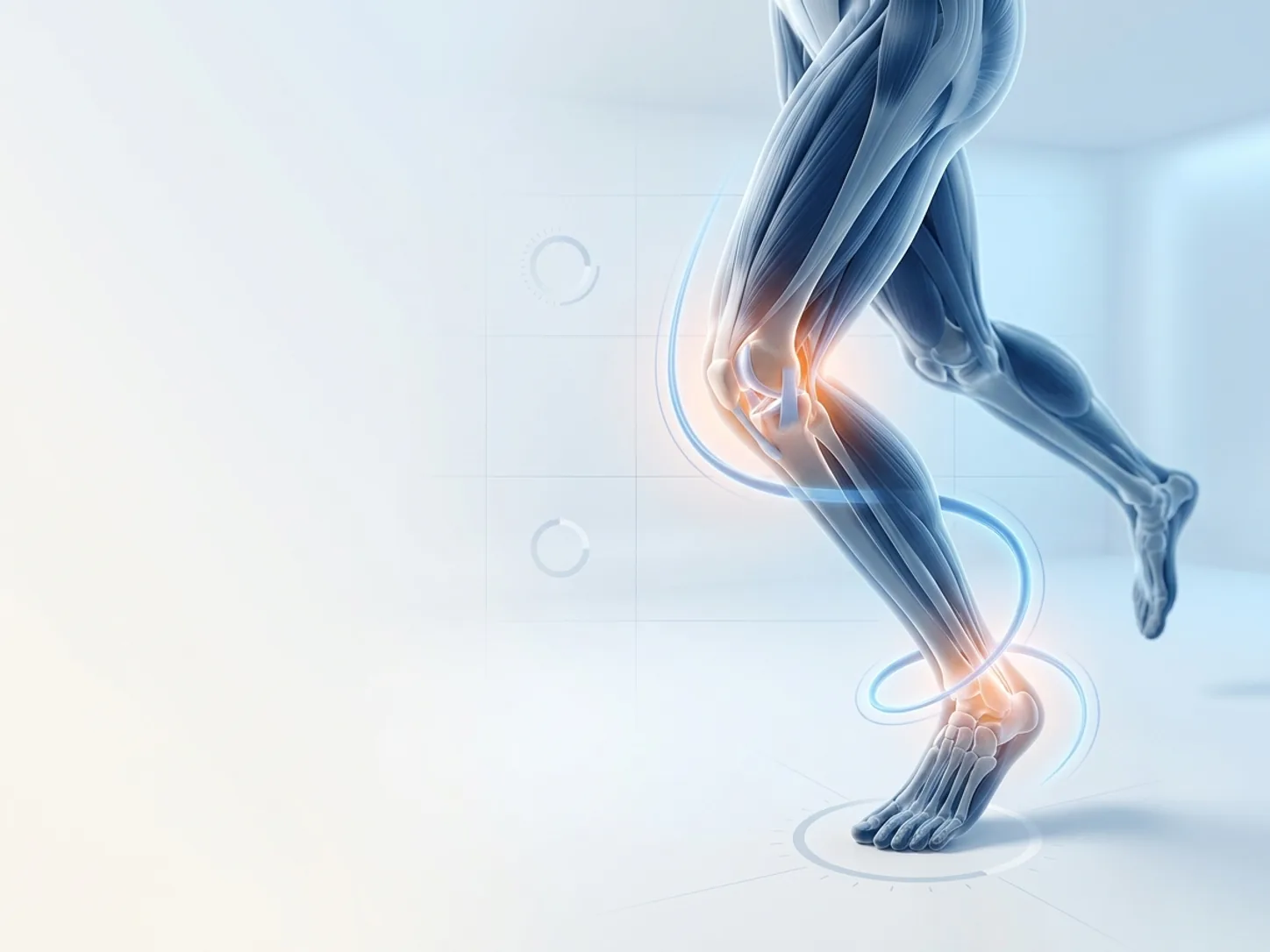
Post-operative rehabilitation is physiotherapy that helps you move safely, rebuild strength and return to everyday activities after an operation on a bone, joint or the spine. Physiotherapy is a treatment that can ease pain and improve movement after an injury, illness or disability, using exercise, hands-on techniques and advice.[2]
At Hunjan Hospital in Ludhiana, your rehabilitation is planned around the operation you have had and the instructions of your surgical team, such as how much weight you may put through the leg and which movements to avoid while the tissues heal.
- After a knee, hip or shoulder replacement
- After surgery to fix a broken bone
- After spine surgery, such as lumbar decompression
- After keyhole (arthroscopic) joint surgery or ligament reconstruction
- Before a planned joint replacement, to prepare for the operation and recovery
For people who have had a hip, knee or shoulder replacement, NICE recommends that a physiotherapist or occupational therapist offers rehabilitation on the day of surgery if possible, and no more than 24 hours after it.[1]
How rehabilitation is planned and delivered
At your first session the physiotherapist asks about your symptoms, medical history and lifestyle, and may check your movement, strength and balance before discussing a plan with you.[2] They also follow the instructions from your surgical team so that exercises protect the repair.
Rehabilitation usually combines the following, adjusted as you recover:
- Help getting out of bed, standing and walking safely, with a frame, crutches or a stick if needed
- Exercises to improve the movement of the joint and strengthen the muscles around it
- Advice on everyday activities such as dressing, washing, using stairs and getting in and out of a car
- A written home exercise programme with clear goals
- Regular review, so that exercises are progressed, or eased if pain or swelling increases
NICE advises that people leaving hospital after a hip or knee replacement are given advice on self-directed rehabilitation, a clear understanding of their goals and a point of contact for support. Supervised outpatient rehabilitation is recommended for people who have difficulty managing daily activities, have ongoing problems with function, or find that exercising on their own is not meeting their goals.[1]
Who may benefit
Many people who have had an operation on a bone, joint or the spine are offered some rehabilitation. Your surgeon and physiotherapist will advise how much supervision you need. It is commonly used for:
- People who have had a knee, hip or shoulder replacement[1]
- People recovering from lumbar decompression or other spine surgery, where physiotherapy may be arranged to help with movement[5]
- People who have had a fracture fixed with plates, screws or nails
- People who have had keyhole joint surgery or ligament reconstruction
- Older adults, or people with other health conditions, who need help to regain confidence when walking
- People preparing for a hip or knee replacement, who NICE advises should be given advice on exercises to do before and after surgery[1]
Typical recovery after knee or hip replacement
Approximate ranges from NHS and NICE guidance. Your own recovery depends on the operation, your age, your general health and any complications.
- Within 24 hours
First physiotherapy session
A physiotherapist or occupational therapist helps you start moving, on the day of surgery if possible and no more than 24 hours after it.[1]
- Days 1–4
Going home
People usually go home around 1 to 3 days after a hip replacement[4] and 1 to 4 days after a knee replacement,[3] if there are no complications and they can move about safely. Before you leave, you are given advice on your home exercises.[1]
- Weeks 1–6
Walking with support
You use crutches, a frame or a stick at first. After a knee replacement, NHS guidance suggests trying to walk without an aid after about 6 weeks if you feel ready.[3] Wait at least 6 weeks before driving after a total knee or hip replacement, and check with your doctor first.[3,4]
- Weeks 6–12
Returning to work
Return to work is usually around 6 weeks after a hip replacement and 6 to 12 weeks after a knee replacement, depending on the type of work you do.[3,4]
- Several months or longer
Full recovery
Full recovery may take several months or longer and varies with age and general health.[3,4] Doing your exercises early in recovery helps the long-term strength and movement of a new hip.[4]
Recovery after lumbar decompression surgery
After lumbar decompression, the nursing team helps you get up and move around as soon as possible. You may be able to leave hospital after around 2 to 5 days and return to work around 4 to 6 weeks after the operation, depending on your job and your doctor’s advice. It may take up to 12 weeks to return to all your usual activities, and you may be advised to avoid some activities, such as driving or contact sports, while you recover.[5]
Risks, limitations and warning signs
Rehabilitation is generally safe when it follows your surgical team’s instructions, but it cannot prevent every complication, and recovery varies from person to person.
- Exercises can cause temporary discomfort, aching or swelling. Tell your physiotherapist if pain is increasing so the plan can be adjusted; pain relief is decided by your doctor.
- Possible complications after a knee replacement include blood clots, wound infection, damage to a nearby blood vessel, nerve or ligament, problems bending the knee, ongoing pain and stiffness, and instability of the joint.[6] Physiotherapy cannot correct a problem with the implant itself.
- Having surgery increases the risk of a blood clot in a leg vein (DVT). Typical signs are throbbing pain and swelling in one leg, usually in the calf or thigh.[7]
- Get an urgent medical review if you have throbbing or cramping pain in your leg, a high temperature or shivering, oozing or pus from the wound, or redness, swelling or pain around the joint that is not improving or is getting worse.[6]
- Get emergency help if you have difficulty breathing or chest pain, especially with pain or swelling in your leg. This can be a sign of a blood clot in the lungs, which needs treatment straight away.[6,7]
- When you first start walking, use your walking aid as advised and ask for help until your physiotherapist says it is safe to move on your own.
If you are unsure whether a symptom is expected, contact your surgical team rather than waiting for your next physiotherapy session.
Frequently asked questions
Rehab pathway
Post-Operative Rehabilitation recovery journey in Ludhiana
Patients receive a functional assessment focused on pain, mobility, strength, balance, activity limits, recovery goals, and safe return to daily life.
Assessment
The physiotherapy team reviews symptoms, movement, strength, posture, and previous medical reports.
Rehab plan
Exercises, manual therapy, pain-management methods, and home guidance are planned around the condition.
Progression
Therapy intensity and goals are updated as mobility, confidence, and function improve.
Prevention
Patients receive practical advice to reduce recurrence and maintain long-term function.
References
Sources are provided for general information; a qualified clinician can advise on your situation.
- Reference 1: Joint replacement (primary): hip, knee and shoulder(opens in a new tab)
NICE, 2020nice.org.ukNG157
This page was prepared with AI assistance and is awaiting review by a hospital clinician.
Book an appointment with our team