Why Hip and Shoulder Pain Often Gets Ignored
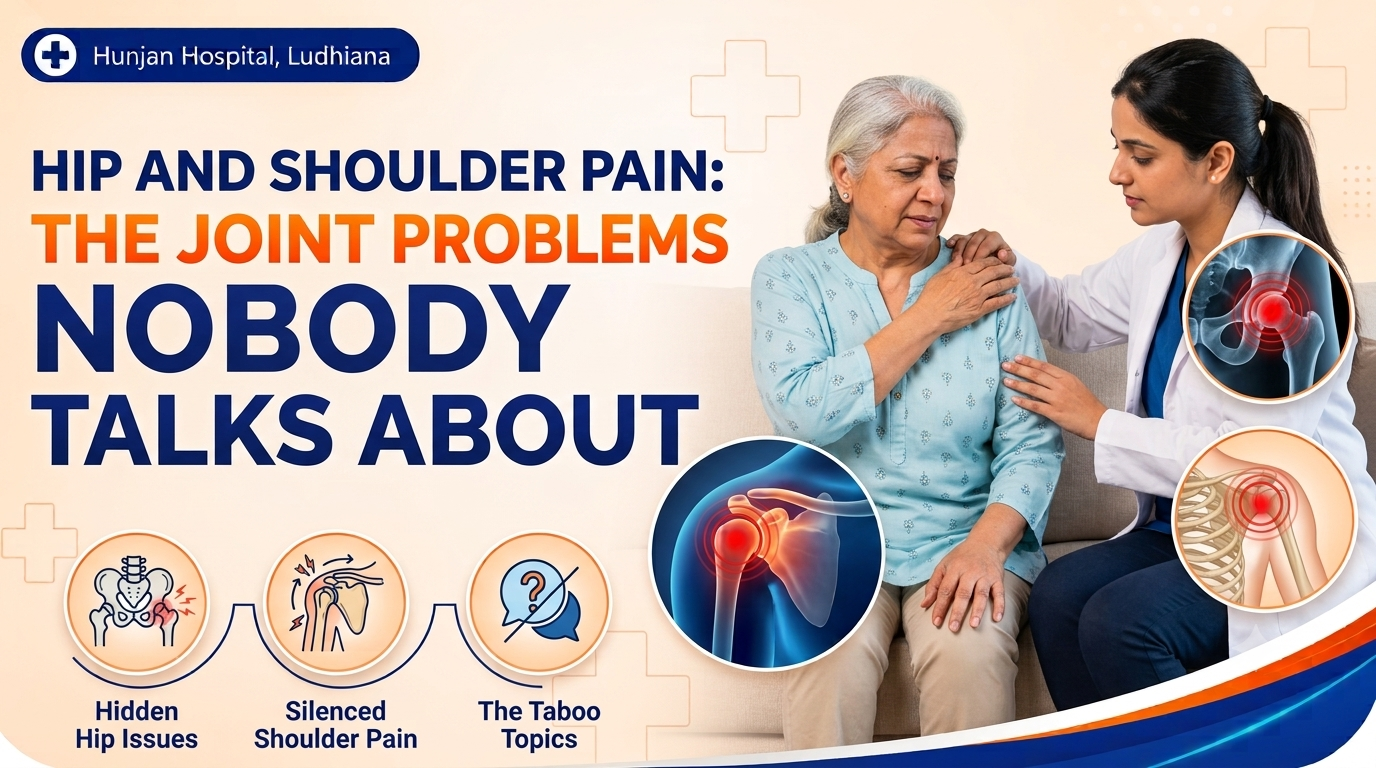
Knee pain is usually easy to notice because it affects walking, stairs and daily movement. Hip and shoulder pain, however, are often ignored for much longer. People may assume shoulder pain is due to sleeping in the wrong position or believe hip pain is simply back pain, muscle strain or age-related stiffness.
The problem is that both the hip and shoulder are major joints. When pain continues, movement becomes limited and daily activities slowly start changing around the discomfort. Early assessment can help identify the cause before the joint becomes more difficult to manage.
Hip Pain Is Not Always Felt Directly at the Hip
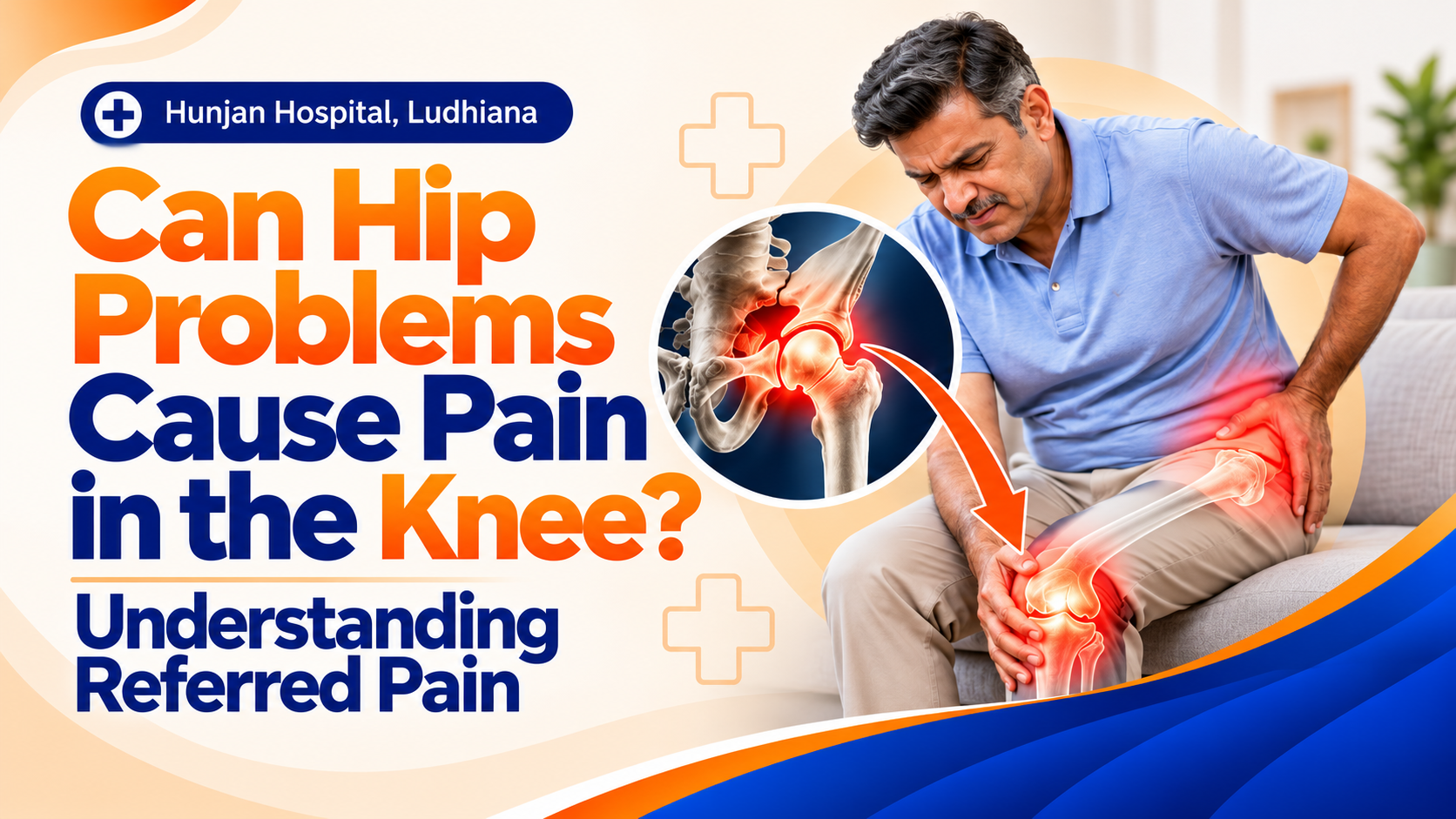
Hip pain can be confusing because it may not always be felt on the outer side of the hip. In many cases, the pain may be felt in the groin, buttock, thigh or even the knee. This is one reason why people may delay getting the right evaluation.
A person with hip joint problems may notice:
- Pain in the groin or upper thigh
- Difficulty standing after sitting for a long time
- Pain while walking or climbing stairs
- Trouble wearing socks or shoes
- Stiffness while getting in or out of a car
- Discomfort while turning in bed
- A limp or reduced walking distance
When these symptoms continue, they should not be treated only as routine body pain.
Common Causes of Hip Pain
Hip pain can develop because of joint wear, injury, inflammation or problems in surrounding muscles and tendons. The correct cause needs to be identified before treatment is planned.
Common causes include:
- Hip arthritis: Wear and tear of the hip joint can lead to pain, stiffness and reduced movement.
- Muscle or tendon strain: Overuse, sudden activity or poor movement patterns can affect the muscles around the hip.
- Bursitis: Inflammation around the outer hip can cause pain while walking, lying on one side or climbing stairs.
- Referred pain from the back: Lower back conditions can sometimes cause pain that is felt around the hip or leg.
- Previous injury: An old fall, fracture or untreated injury may affect joint function over time.
- Reduced blood supply to the hip bone: In some cases, the bone tissue may become damaged due to reduced blood supply and requires early orthopedic attention.
Not every hip problem needs surgery, but persistent symptoms should be assessed properly.
Shoulder Pain Can Affect More Than Arm Movement
The shoulder is one of the most mobile joints in the body. It allows us to reach overhead, lift objects, dress, wash hair, sleep comfortably and perform routine work. Because it moves in many directions, it is also more likely to develop problems involving muscles, tendons, ligaments and the joint itself.
Shoulder pain can slowly affect daily life. People may stop lifting their arm fully, avoid carrying bags, sleep on one side only or depend on the other arm for simple tasks.
Common signs include:
- Pain while lifting the arm
- Difficulty reaching overhead
- Pain while combing hair or wearing clothes
- Night pain or disturbed sleep
- Weakness while lifting or carrying objects
- Stiffness or reduced shoulder movement
- Clicking, catching or a feeling that the shoulder is not moving smoothly
Common Causes of Shoulder Pain
Shoulder pain may come from the joint, the muscles around it or the tendons that support movement.
Common causes include:
- Rotator cuff problems: The tendons around the shoulder may become irritated, weak or torn.
- Frozen shoulder: The shoulder becomes painful and stiff, with movement gradually reducing.
- Shoulder arthritis: Wear and tear in the joint can cause pain, stiffness and difficulty with daily movement.
- Shoulder impingement: Certain movements can cause irritation in the shoulder, especially while reaching overhead.
- Dislocation or instability: A past injury may make the shoulder feel loose, weak or prone to repeated pain.
- Neck-related pain: Some neck conditions can cause pain that travels into the shoulder or arm.
A detailed examination helps determine whether the pain is coming from the shoulder joint itself, the neck or the surrounding tissues.
The Everyday Signs People Commonly Adjust To
Hip and shoulder pain often become serious slowly because people keep adjusting their routine instead of seeking help.
With hip pain, people may start:
- Avoiding stairs
- Walking slower
- Using support while standing
- Avoiding long travel
- Sitting down to wear clothes
- Taking shorter steps
With shoulder pain, people may start:
- Avoiding overhead shelves
- Using the other arm for lifting
- Sleeping in uncomfortable positions
- Avoiding exercise or household work
- Asking someone else to carry items
- Limiting arm movement because of fear of pain
These changes may seem small, but they can gradually reduce strength, mobility and independence.
When Hip or Shoulder Pain Needs Medical Attention
Not every episode of pain requires urgent treatment. However, a doctor should evaluate symptoms that are persistent, worsening or affecting daily function.
Consult an orthopedic doctor if you have:
- Pain lasting more than a few weeks
- Pain that affects sleep
- Increasing stiffness or reduced movement
- Difficulty walking, lifting the arm or performing routine tasks
- Swelling, redness or warmth around the joint
- Pain after a fall or injury
- Sudden weakness in the arm or leg
- Pain that is not improving with rest
Early diagnosis can make treatment simpler and may help avoid prolonged joint damage.
Treatment Depends on the Cause, Not Only the Pain Level
Hip and shoulder pain should not be managed with the same treatment for every person. The right plan depends on the cause, severity, age, activity level and overall health of the patient.
Treatment may include:
- Activity modification and movement guidance
- Pain management as advised by the treating doctor
- Physiotherapy to improve strength, flexibility and joint control
- Targeted rehabilitation for posture, walking or shoulder movement
- Imaging and clinical evaluation when needed
- Injections in selected cases
- Surgical treatment when joint damage or tendon injury is advanced
The aim is not only to reduce pain temporarily but to restore useful movement and prevent further limitation.
The Role of Physiotherapy in Hip and Shoulder Recovery
Physiotherapy can be especially valuable for hip and shoulder problems because both joints depend heavily on surrounding muscles for stability and movement.
For hip pain, rehabilitation may focus on improving hip strength, walking pattern, balance and flexibility. For shoulder pain, it may focus on restoring safe movement, strengthening the rotator cuff and improving shoulder blade control.
A structured programme can help patients return to daily activities gradually without placing unnecessary stress on the joint.
When Surgery May Be Considered
Surgery is not the first option for every patient. It may be considered when pain remains severe despite appropriate non-surgical treatment, movement is significantly affected or imaging shows advanced joint damage or a major injury.
Hip replacement may be considered in advanced arthritis when pain and stiffness affect walking, sleep and daily life. Shoulder surgery may be considered for certain tendon tears, repeated instability or advanced arthritis when other treatment options are not providing adequate relief.
The decision should always be based on a detailed orthopedic evaluation and realistic discussion about recovery.
How Hunjan Hospital Approaches Hip and Shoulder Problems
At Hunjan Hospital, hip and shoulder pain is assessed with attention to the patient’s symptoms, movement limitations and daily needs. The focus is on identifying the source of pain and planning care according to the individual condition.
The approach may include:
- Orthopedic evaluation and clinical examination
- Assessment of movement, strength and daily function
- Imaging guidance when required
- Physiotherapy and rehabilitation support
- Non-surgical treatment planning for suitable cases
- Surgical care when clinically indicated
- Post-operative rehabilitation and follow-up guidance
The goal is to help patients regain comfortable movement and return to everyday activities with greater confidence.
Final Thought
Hip and shoulder pain may not receive as much attention as knee pain, but they can affect independence, sleep, work and quality of life in equally important ways. Ignoring persistent pain often leads to more limitations over time.
The right approach is to understand the cause early, follow a suitable treatment plan and focus on restoring movement before daily life becomes restricted.
Medical Disclaimer: The information in this article is for educational purposes only and does not replace professional medical advice, diagnosis, or treatment. Always consult a qualified doctor for medical concerns or treatment decisions. Treatment suitability, recovery time and outcomes vary from patient to patient depending on individual health, age, medical conditions, diagnosis and rehabilitation participation.