When people hear the words joint replacement, they often picture someone in their seventies or eighties. This belief has existed for decades, and because of it, many younger patients continue living with severe joint pain, assuming they are “too young” for surgery.
The reality is more complex.
Joint replacement is not decided by age alone. Orthopedic surgeons look at many factors, including the condition of the joint, the severity of pain, how much the problem affects daily life and whether other treatments are still helping.
The better question isn’t “How old are you?” It’s “How much is your joint affecting your quality of life?”
Why People Think Joint Replacement Is Only for Older Adults
Years ago, joint replacement surgery was performed less frequently in younger patients because implants did not last as long as they do today, and surgical techniques were different.
Today, implant technology, surgical planning and rehabilitation have improved significantly. While joint replacement is still more common among older adults because arthritis becomes more common with age, it is no longer considered an age-based procedure alone.
That doesn’t mean every younger patient should undergo surgery. It means the decision depends on the individual patient, not just the birth certificate.
What Actually Decides Whether Someone Needs Joint Replacement?
Many people are surprised to learn that age is only one small part of the evaluation.
An orthopedic surgeon may consider:
- The extent of joint damage
- The severity and frequency of pain
- Whether pain is affecting daily activities
- Response to physiotherapy and other treatments
- X-ray or imaging findings
- Overall health and medical history
- Mobility and walking ability
- The patient’s expectations and lifestyle
Two people who are the same age may receive completely different treatment recommendations because their joints and symptoms are different.
Some People in Their 50s May Need Surgery. Others in Their 80s May Not.
This surprises many patients.
A physically active 55-year-old with advanced arthritis may struggle to walk, climb stairs or work comfortably despite months of treatment.
Meanwhile, an 80-year-old with mild arthritis may manage well with physiotherapy, exercise and lifestyle modifications.
Age alone cannot tell the full story.
Arthritis Is Not the Only Reason for Joint Replacement
Most people associate joint replacement with arthritis, but it is not the only reason surgery may be considered.
Other conditions may include:
- Advanced osteoarthritis
- Rheumatoid arthritis
- Avascular necrosis (loss of blood supply to bone)
- Certain fractures that severely damage the joint
- Long-term joint deformity
- Previous injuries that have led to permanent joint damage
Each condition is assessed individually before deciding the most appropriate treatment.
Here’s Something Many People Don’t Know
Some patients believe that waiting as long as possible is always the best decision.
That is not necessarily true.
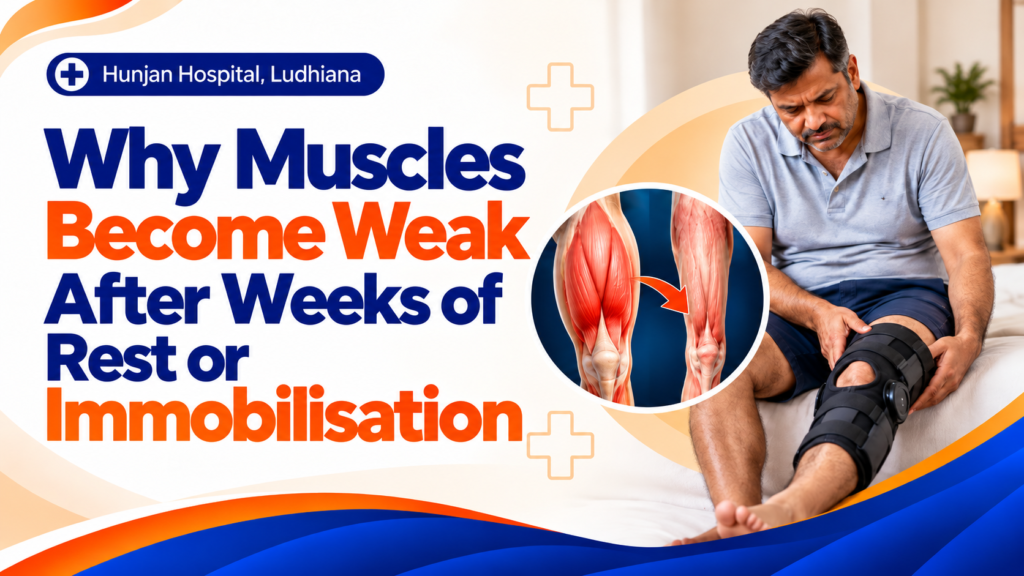
If severe pain causes a person to stop walking, avoid stairs, reduce physical activity and depend heavily on others, muscles around the joint may become weaker over time.
Reduced activity can also affect balance, confidence and overall fitness, making recovery more demanding later.
This does not mean everyone should undergo surgery early. It simply means that delaying treatment should be discussed with a doctor rather than decided based on fear alone.
Another Common Myth: “I’m Too Young, So the Doctor Will Refuse.”
Many younger patients avoid even visiting an orthopedic clinic because they assume surgery will not be considered.
In reality, an orthopedic consultation is not a commitment to surgery.
It is an opportunity to understand:
- What is causing the pain
- Whether the joint is actually damaged
- Whether physiotherapy or other treatments may still help
- Whether surgery should even be considered
Many patients leave the consultation with a non-surgical treatment plan.
Signs That Age Shouldn’t Be Your Main Concern
Instead of focusing only on age, ask yourself:
- Has my pain become part of my daily routine?
- Am I avoiding activities I once enjoyed?
- Do I need support while walking?
- Am I depending on pain medicines frequently?
- Has climbing stairs become difficult?
- Is pain affecting my sleep?
- Have physiotherapy and medicines stopped giving enough relief?
These questions often provide more useful information than asking whether someone is “old enough” for surgery.
What Happens Before Joint Replacement Is Recommended?
Many people imagine that an orthopedic consultation ends with surgery being scheduled immediately.
That is rarely the case.
A proper consultation usually includes:
- Understanding the patient’s symptoms
- Reviewing previous treatment
- Examining joint movement and stability
- Assessing walking pattern
- Reviewing X-rays or advising imaging if required
- Discussing non-surgical treatment options
- Explaining whether surgery may be beneficial
- Talking about recovery expectations
This process helps ensure that treatment is based on clinical findings rather than assumptions.
Can Younger Patients Recover Faster?
Recovery is influenced by many factors, not just age.
Some younger patients recover quickly because they have better muscle strength and fewer medical conditions.
However, recovery also depends on:
- Overall health
- Weight
- Existing medical conditions
- Surgical technique
- Implant selection
- Participation in physiotherapy
- Following post-operative instructions
- Nutrition and sleep
A healthy recovery comes from good preparation and rehabilitation, not age alone.
Why Some People Never Need Joint Replacement
Not every painful joint progresses to surgery.
Many patients successfully manage their condition through:
- Physiotherapy
- Muscle strengthening
- Weight management
- Activity modification
- Appropriate medicines prescribed by a doctor
- Walking aids when required
Joint replacement is generally considered when these treatments are no longer providing adequate relief and quality of life continues to decline.
The Emotional Side That People Don’t Talk About
Many patients delay treatment because they are worried about what others will think.
They hear comments like:
“You’re too young.”
“Just tolerate it for a few more years.”
“My neighbour lived with it for twenty years.”
These opinions are often well-intentioned, but they are not medical advice.
Every patient’s condition is different. Comparing your joint with someone else’s experience may delay the treatment that is most appropriate for you.
Final Thought
Joint replacement is not a surgery reserved only for older adults. It is a treatment option that may be considered when joint damage and pain significantly affect daily life and other treatments are no longer enough.
The most important number is not your age. It is how much your joint is limiting your movement, independence and quality of life.
If persistent knee or hip pain is changing the way you walk, work or enjoy everyday activities, an orthopedic consultation can help you understand your condition and the treatment options available.