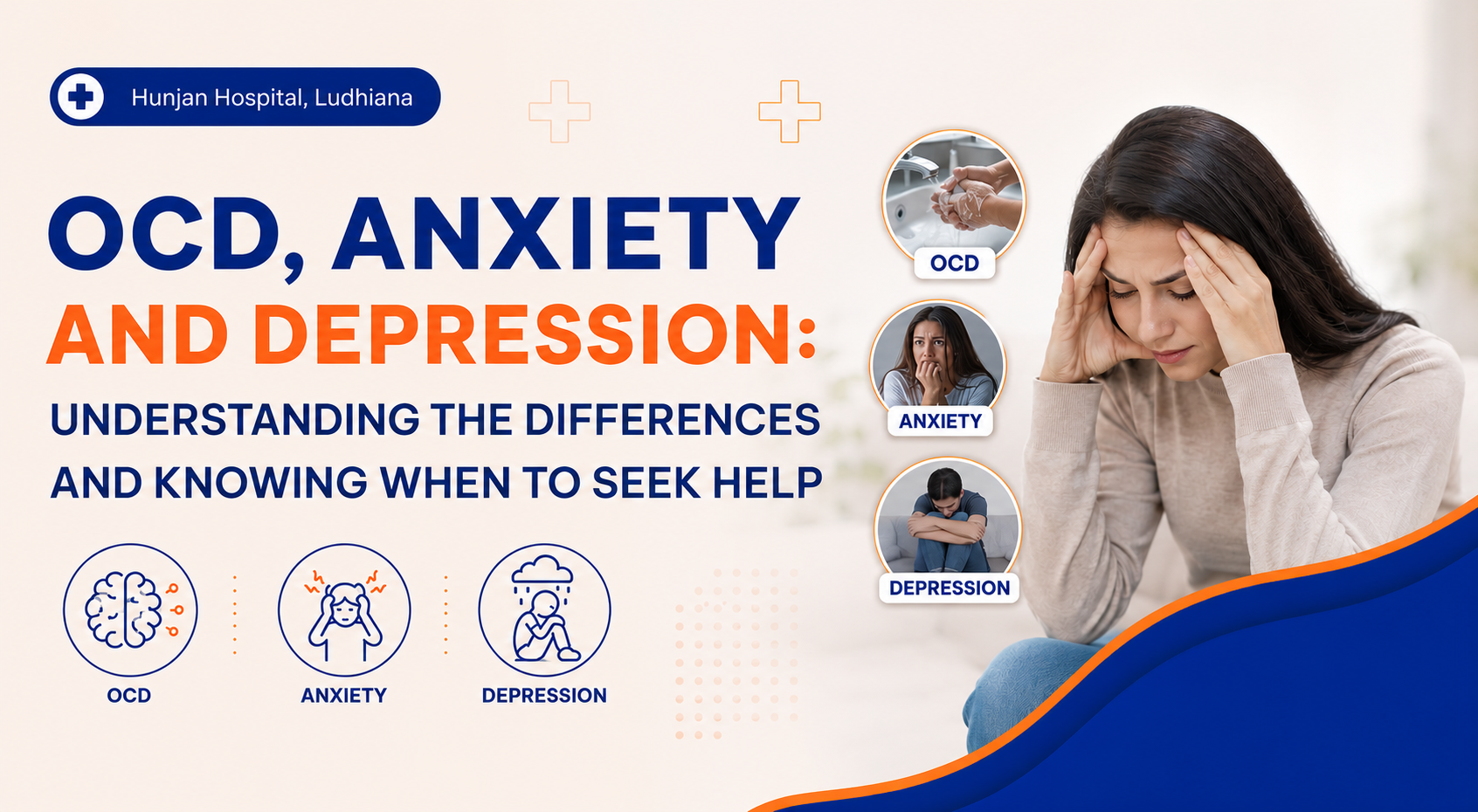
Mental health conditions are becoming increasingly common, yet they are often misunderstood. Many people use terms like OCD, anxiety and depression casually in everyday conversations. Someone who likes keeping things organized may say, “I’m so OCD,” while feeling stressed before an exam is often called anxiety. Similarly, feeling low for a day is sometimes mistaken for depression.
In reality, these are distinct mental health conditions that can significantly affect a person’s thoughts, emotions and daily life. Understanding the difference is the first step toward recognizing symptoms and seeking the right support.
What is OCD?
Obsessive-Compulsive Disorder (OCD) is a mental health condition characterized by a cycle of obsessions and compulsions.
- Obsessions are unwanted, intrusive thoughts, images or urges that repeatedly enter a person’s mind and cause distress.
- Compulsions are repetitive behaviors or mental rituals performed in an attempt to reduce the anxiety caused by those thoughts.
For example, a person may repeatedly check whether the door is locked, wash their hands excessively, or mentally repeat certain words or prayers to feel safe.
One important fact that many people don’t realize is that people with OCD usually know their thoughts are irrational or exaggerated, but the anxiety becomes so overwhelming that resisting the compulsive behavior feels extremely difficult.
OCD is not about being neat or organized. In fact, many people with OCD have symptoms that have nothing to do with cleanliness or order.
What is Anxiety?
Anxiety is the body’s natural response to stress or perceived danger. Feeling anxious before an interview, examination or important event is completely normal.
However, anxiety becomes a disorder when it is persistent, excessive and starts interfering with everyday life.
A person experiencing an anxiety disorder may notice:
- Constant worrying
- Difficulty relaxing
- Feeling restless
- Rapid heartbeat
- Sweating
- Muscle tension
- Trouble sleeping
- Difficulty concentrating
One lesser-known aspect of anxiety is that it often presents with physical symptoms, leading people to believe they have a heart, stomach or neurological problem. Many individuals visit multiple medical specialists before realizing that anxiety is contributing to their symptoms.
What is Depression?
Depression is much more than feeling sad after a difficult day.
It is a medical condition that affects mood, thinking, energy levels and daily functioning.
Common symptoms include:
- Persistent sadness or emptiness
- Loss of interest in activities once enjoyed
- Low energy
- Difficulty concentrating
- Changes in sleep
- Changes in appetite
- Feelings of hopelessness or guilt
- Difficulty making decisions
Many people assume that someone with depression cries all the time. In reality, some individuals continue going to work, attending family events and smiling socially while struggling internally. This is one reason depression may go unnoticed by family and friends.
How Are They Different?
Although these conditions can occur together, they are not the same.
OCD is driven by intrusive thoughts and repetitive behaviors.
Anxiety is characterized by excessive fear or worry that feels difficult to control.
Depression primarily affects mood, motivation and enjoyment of life.
A person may experience one condition, two together or even all three simultaneously. This is why a proper psychological assessment is important before beginning treatment.
Signs That Should Not Be Ignored
Many people delay seeking help because they believe they should simply “stay strong” or “get over it.”
It may be time to consult a mental health professional if symptoms:
- Continue for several weeks
- Affect work or studies
- Strain relationships
- Interfere with sleep
- Reduce interest in daily activities
- Cause significant distress
- Lead to avoidance of normal responsibilities
Early intervention often helps people understand their condition and begin appropriate treatment before symptoms become more severe.
Common Myths About Mental Health
Myth: OCD means you like things clean.
Fact: OCD involves intrusive thoughts and compulsive behaviors. Cleanliness is only one possible symptom.
Myth: Anxiety is just overthinking.
Fact: Anxiety disorders involve emotional and physical symptoms that can significantly affect daily functioning.
Myth: Depression is simply sadness.
Fact: Depression is a medical condition that affects emotions, thinking, sleep, appetite, energy and motivation.
Myth: Strong people don’t need help.
Fact: Seeking professional support is a step toward recovery, not a sign of weakness.
Why Professional Assessment Matters
Many symptoms overlap between different mental health conditions.
For example:
- Poor concentration may occur in anxiety, depression, ADHD or sleep disorders.
- Restlessness may be seen in anxiety but also in certain medical conditions.
- Fatigue may result from depression, anxiety, thyroid disorders or nutritional deficiencies.
A qualified mental health professional evaluates the complete picture rather than focusing on one symptom alone. This helps ensure an accurate diagnosis and an individualized treatment plan.
Can These Conditions Be Treated?
Yes.
Treatment depends on the individual’s diagnosis, severity of symptoms and personal circumstances.
Management may include:
- Psychological assessment
- Psychotherapy or counseling
- Cognitive Behavioral Therapy (CBT)
- Medication when clinically appropriate
- Stress management techniques
- Lifestyle modifications
- Family education and support
Recovery looks different for everyone. Some people improve with therapy alone, while others may benefit from a combination of approaches.
Supporting Someone with OCD, Anxiety or Depression
If someone close to you is struggling:
- Listen without judging.
- Avoid saying, “Just think positively” or “Snap out of it.”
- Encourage them to seek professional help.
- Be patient, as recovery takes time.
- Recognize that mental health conditions are not a matter of willpower.
Support from family and friends can play an important role alongside professional treatment.
Behavioral Health Services at Hunjan Hospital
The Behavioral Health Department at Hunjan Hospital is led by Dr. Tarlochan Singh, Head of the Department of Behavioral Sciences and a Doctorate in Clinical Psychology, with over 10 years of experience in mental health care. Dr. Tarlochan specializes in psychotherapy, psychological counseling, cognitive behavioral therapy (CBT), psychological testing and neuropsychological assessment, helping individuals manage conditions such as OCD, anxiety, depression, stress-related concerns and other behavioral and emotional difficulties through evidence-based care.
The department provides professional evaluation and support for individuals experiencing concerns related to OCD, anxiety, depression and other mental health conditions. Every individual is unique, and treatment begins with understanding their symptoms, concerns and personal circumstances.
Following a comprehensive psychological assessment, an individualized care plan may include psychotherapy, counseling, behavioral interventions, psychological testing or referral for additional treatment when clinically appropriate. The department focuses not only on symptom management but also on helping individuals build healthier coping strategies, improve emotional well-being and enhance their overall quality of life.
Seeking professional help early can make a meaningful difference in recovery, relationships, work performance and long-term mental well-being.
Final Thought
Mental health deserves the same attention as physical health.
Persistent anxiety, intrusive thoughts or ongoing low mood are not signs of personal weakness, nor should they be ignored. Recognizing symptoms early and seeking professional guidance can help individuals understand what they are experiencing and access the support they need.
Taking the first step toward help is often the beginning of recovery.
Medical Disclaimer: This article is intended for educational purposes only and should not be considered a substitute for professional medical advice, diagnosis or treatment. If you or someone you know is experiencing persistent emotional distress or symptoms affecting daily life, consult a qualified mental health professional. Treatment recommendations vary depending on an individual’s condition, diagnosis, medical history and personal needs.