Knee replacement is a major decision. It is understandable that many people want to wait, try medicines, use home remedies or adjust their routine before considering surgery.
For some patients, delaying surgery may be appropriate. Knee pain does not always mean that a replacement is needed immediately. However, when pain is severe, joint damage is advanced and daily movement is becoming difficult, delaying treatment for too long can affect more than the knee itself.
The important question is not only, “Can I delay knee replacement?” It is also, “What is this pain already stopping me from doing?”
When Delaying May Be Reasonable
A knee replacement is not the first treatment for every person with knee pain. If symptoms are mild or manageable, a doctor may recommend non-surgical options first.
These may include physiotherapy, muscle-strengthening exercises, activity modification, weight management support, medicines prescribed by a doctor or other treatments based on the diagnosis.
Delaying surgery may be reasonable when:
- Pain is occasional and does not significantly affect daily life
- Walking and stairs are still manageable
- The knee has good movement and stability
- Symptoms improve with suitable non-surgical treatment
- X-rays and clinical evaluation do not show advanced joint damage
- The patient is able to remain active without regularly depending on painkillers
The decision should be based on a proper orthopedic consultation, not only on age, fear or someone else’s recovery story.
When Severe Knee Pain Starts Changing Daily Life
Many people do not describe their condition as “severe” because they have slowly learned to live around it. Instead, they say things like:
“I do not sit on the floor anymore.”
“I avoid stairs.”
“I only go to the market when necessary.”
“I need support to get up from a chair.”
“I wake up at night because of pain.”
“I cannot walk for long.”
These are important signs. When knee pain begins affecting routine movement, independence, sleep and confidence, it may be time to discuss whether the current treatment plan is still enough.
What Can Happen When Advanced Joint Pain Is Left Untreated
Not every patient who delays knee replacement will develop the same problems. However, severe and ongoing pain can lead to changes that make daily life more difficult over time.
Reduced Movement and Muscle Weakness
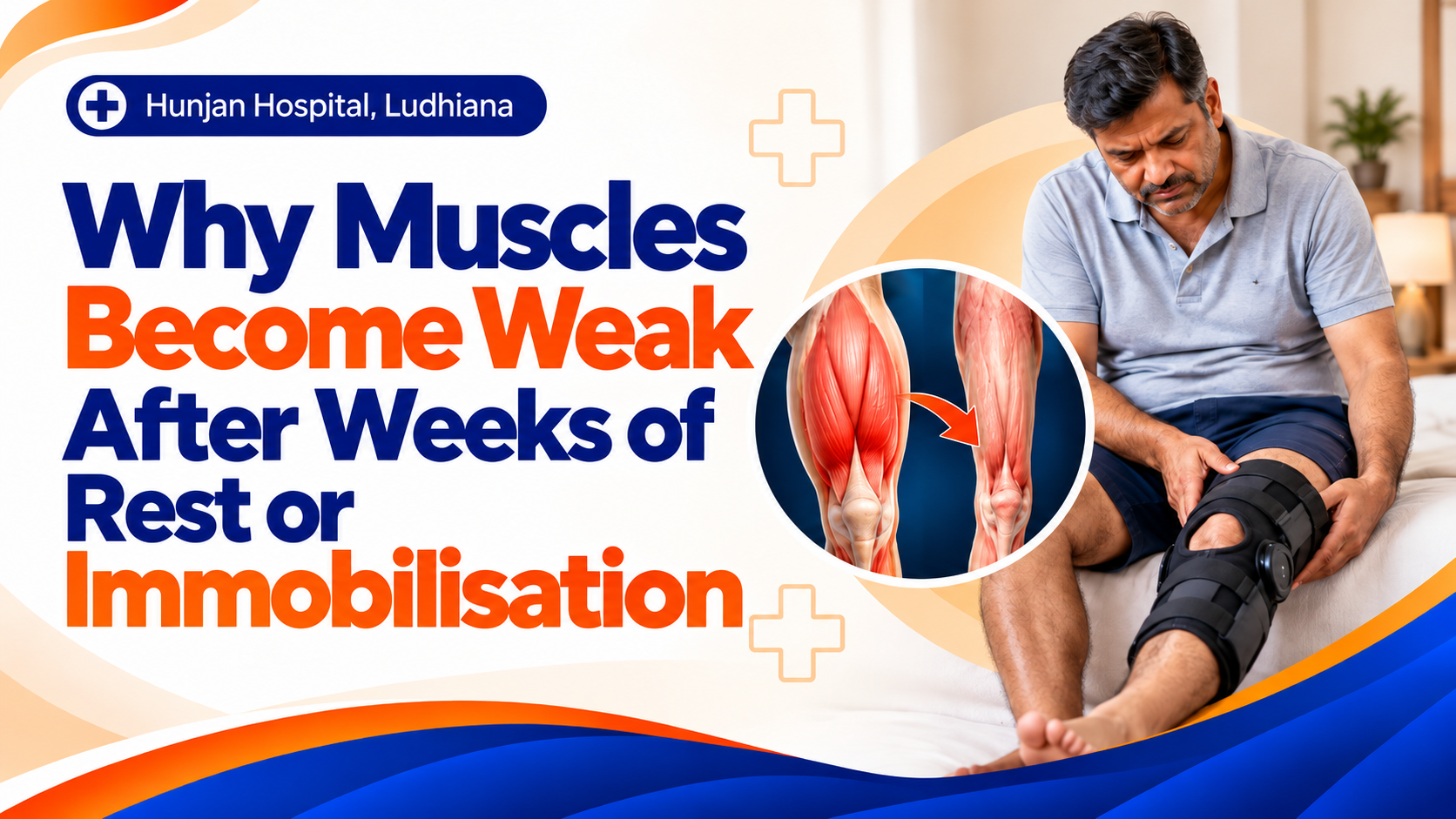
When the knee hurts, people naturally walk less, avoid stairs and limit activity. Over time, the thigh and hip muscles may become weaker.
Weak muscles provide less support to the knee. This can make standing, walking and balancing more difficult, even on days when pain is slightly better.
Increasing Stiffness
A painful knee is often kept in a limited range of movement. People may stop bending it fully, avoid sitting low or keep the leg straight for comfort.
This can gradually increase stiffness and make it harder to perform simple activities such as getting into a car, using the washroom, sitting on a chair or climbing stairs.
Loss of Balance and Confidence
Pain can change the way a person walks. They may put more weight on the other leg, take shorter steps or hold furniture and walls for support.
This can affect balance and increase the risk of falls. It can also create fear around walking outside, travelling or moving in crowded places.
Stress on the Other Knee, Hip and Back
When one knee is painful, the body often shifts weight to the other side. This may place extra stress on the opposite knee, hip, lower back and ankle.
Over time, people may begin noticing pain in more than one area. This does not always mean that every joint is damaged, but it can make movement and recovery more challenging.
Dependence on Painkillers
Some people begin taking pain medicines regularly just to manage work, sleep or household responsibilities. Pain relief may be useful when prescribed appropriately, but repeated self-medication without evaluation can hide worsening symptoms and may not address the underlying joint problem.
A long-term treatment plan should be discussed with a qualified doctor.
Reduced Independence
One of the biggest effects of untreated severe knee pain is loss of independence. A person may start needing help with stairs, getting up from bed, travelling, shopping or basic household work.
This can affect confidence, mood and participation in family life. For many patients, the decision to seek treatment is not only about pain relief. It is about returning to a more independent routine.
Does Waiting Make Knee Replacement More Difficult?
The answer is different for every patient. Delaying surgery does not automatically mean that the procedure will become unsafe or unsuccessful.
However, if pain leads to major stiffness, reduced muscle strength, poor walking pattern or significant loss of mobility, rehabilitation after surgery may feel more demanding. A patient who has been inactive for a long time may need more time to rebuild strength and confidence during recovery.
This is why the goal should not be to rush into surgery. The goal should be to seek timely guidance before pain causes avoidable limitations.
How Do You Know It May Be Time to Discuss Knee Replacement?
A doctor may discuss knee replacement when non-surgical treatment is no longer giving adequate relief and knee pain is affecting quality of life.
Consider an orthopedic consultation if you have:
- Knee pain on most days
- Pain that affects sleep
- Difficulty walking, using stairs or standing for long periods
- Pain that limits work, travel or household activities
- Increasing stiffness or reduced knee movement
- Frequent swelling
- Dependence on pain medicines for daily activities
- X-rays showing advanced arthritis or joint damage
- Physiotherapy and other non-surgical treatments that are no longer helping enough
A recommendation for surgery should always be based on symptoms, examination findings, imaging when needed, overall health and the patient’s goals.
Knee Replacement Is Not Only About Age
Many people believe they are either “too young” or “too old” for knee replacement. Age is important, but it is not the only factor.
Doctors also consider pain level, joint damage, medical conditions, mobility, strength, activity needs and the ability to participate in rehabilitation after surgery.
The right time for surgery is different for every patient. It should be decided through a detailed orthopedic consultation.
What Happens During a Knee Replacement Consultation?
A consultation is not a commitment to surgery. It is an opportunity to understand the condition and discuss the available options.
During the consultation, the orthopedic team may:
- Ask about pain, stiffness and daily movement difficulties
- Check knee movement, stability and walking pattern
- Review previous treatment and medical history
- Recommend X-rays or other tests if clinically needed
- Discuss whether non-surgical treatment may still help
- Explain if knee replacement may be suitable
- Discuss recovery, physiotherapy and post-operative care
- Provide guidance about treatment planning and costs
The purpose is to help the patient make an informed decision, not to push every patient towards surgery.
Joint Replacement Mega Camp at Hunjan Hospital
At Hunjan Hospital’s Joint Replacement Mega Camp, patients with persistent knee or hip pain can come for an orthopedic consultation and receive guidance on the appropriate next step for their condition.
The camp is designed to help patients understand their symptoms, treatment options and recovery process before making a decision. For suitable patients, knee and hip replacement surgery is starting from ₹90,000*.
Hunjan Hospital offers over 40 years of orthopaedic experience, 23,000+ joint replacements, experienced doctors, hospital care and physiotherapy support for patients before and after surgery. Cashless facility is available, subject to insurance approval.
Final Thought
Delaying knee replacement can be appropriate for some patients, especially when symptoms are manageable and non-surgical treatment is helping. But severe pain should not be ignored until it takes away your ability to walk comfortably, sleep peacefully or manage daily life independently.
The right step is not always immediate surgery. It is timely orthopedic consultation, clear information and a treatment plan based on your individual condition.
Medical Disclaimer: The information in this article is for educational purposes only and does not replace professional medical advice, diagnosis, or treatment. Always consult a qualified doctor for medical concerns or treatment decisions. Treatment suitability, recovery time and outcomes vary from patient to patient depending on individual health, age, medical conditions, diagnosis, severity of joint damage and rehabilitation participation.