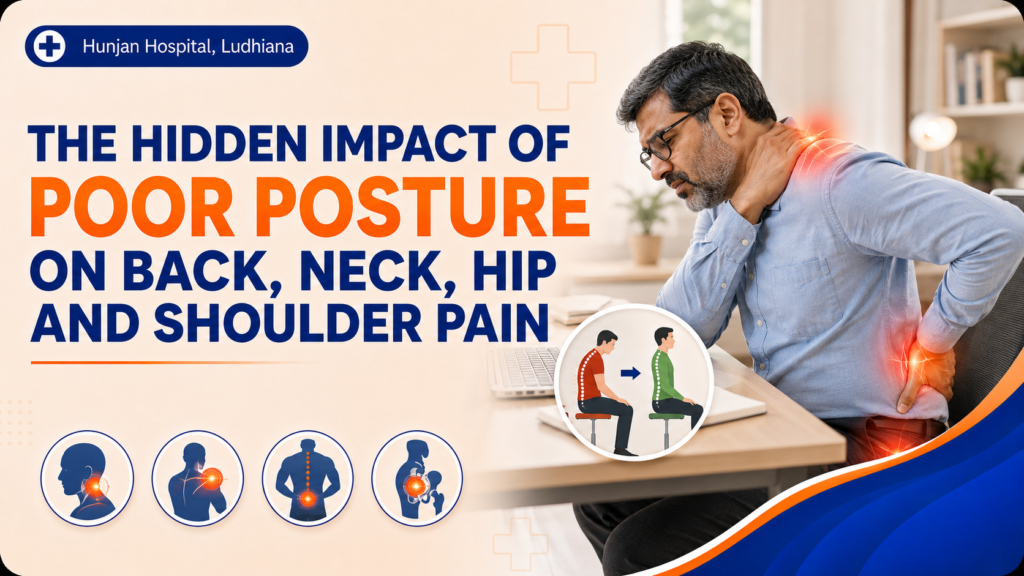
Poor posture is often blamed for every ache after a long day. Someone may say, “Sit straight,” “Do not bend,” or “Your phone posture is causing everything.” While posture can influence how the body feels, the issue is more complex than simply sitting in one “perfect” position.
The real concern begins when the body stays in the same position for too long, repeatedly loads certain muscles and joints or starts compensating for pain in one area by overusing another. Over time, this can contribute to discomfort in the neck, back, shoulders and hips.
What Poor Posture Really Means
Posture is the way the body is held while sitting, standing, walking, working or resting. It is not only about whether the back looks straight. It also includes how the head, shoulders, spine, hips and feet work together during movement.
A posture-related problem may develop when a person regularly:
- Sits for long hours without changing position
- Works on a laptop or phone with the head bent forward
- Leans to one side while sitting or standing
- Carries a bag on the same shoulder every day
- Works with poor desk, chair or screen height
- Sleeps in positions that strain the neck, shoulder or hip
- Avoids movement because of pain or stiffness
The body is designed to move. Even a reasonably good sitting posture can become uncomfortable when it is held for too long.
Why Pain Can Spread From One Area to Another
The body works as a connected system. When one area is stiff, weak or painful, another area may start doing extra work.
For example, if the neck is held forward for long periods, the upper back and shoulder muscles may become tight. If the lower back is painful, a person may change the way they stand or walk, which can place extra stress on the hips. If one hip is stiff, the body may shift weight to the other side and affect the lower back or knee.
This is why a person may begin with neck pain but later notice shoulder tightness, headaches or upper-back discomfort. Similarly, hip pain may sometimes be linked with lower-back stiffness or altered walking patterns.
The Hidden Effect on the Neck
Neck pain is common among people who use phones, laptops or screens for long hours. Looking down for extended periods can place strain on the muscles that support the head and neck.
People may notice:
- Stiffness when turning the head
- Pain at the base of the neck
- Tightness around the shoulders
- Headaches that begin from the neck area
- Pain after long phone use or desk work
- Discomfort while driving or sleeping
Neck pain is not always caused by posture alone. It can also be related to muscle strain, cervical spine conditions, nerve irritation or previous injury. Persistent symptoms should be evaluated rather than managed only with massage or painkillers.
How Poor Posture Can Affect the Shoulders
The shoulders depend on good coordination between the shoulder joint, shoulder blade, upper back and neck. Rounded shoulders, prolonged desk work and repeated overhead activity can make shoulder muscles work in an unbalanced way.
A person may start experiencing:
- Pain while lifting the arm
- Discomfort when reaching overhead
- Tightness around the shoulder blade
- Pain while carrying a bag
- Difficulty sleeping on one side
- Weakness or discomfort during household work
Sometimes, people avoid moving the shoulder because of pain. This can lead to more stiffness and reduced movement over time. In some cases, shoulder pain may be due to rotator cuff problems, frozen shoulder, arthritis or neck-related nerve irritation.
The Link Between Posture and Back Pain
Back pain can be affected by long sitting, slouching, repeated bending, poor lifting technique and reduced core strength. However, not every back pain is caused by poor posture.
Lower-back discomfort may feel worse after sitting for long periods, standing for too long, driving, lifting objects or getting up after rest. It may also be linked with weak muscles, spinal disc problems, arthritis, injury or changes in the way a person walks.
Common signs include:
- Stiffness after sitting or waking up
- Pain while bending or lifting
- Discomfort after long travel
- Muscle tightness around the lower back
- Pain that spreads to the buttock or leg
- Difficulty standing straight after sitting
Pain that travels down the leg, causes numbness or weakness or affects bladder or bowel control needs urgent medical attention.
Why Hip Pain Is Often Missed
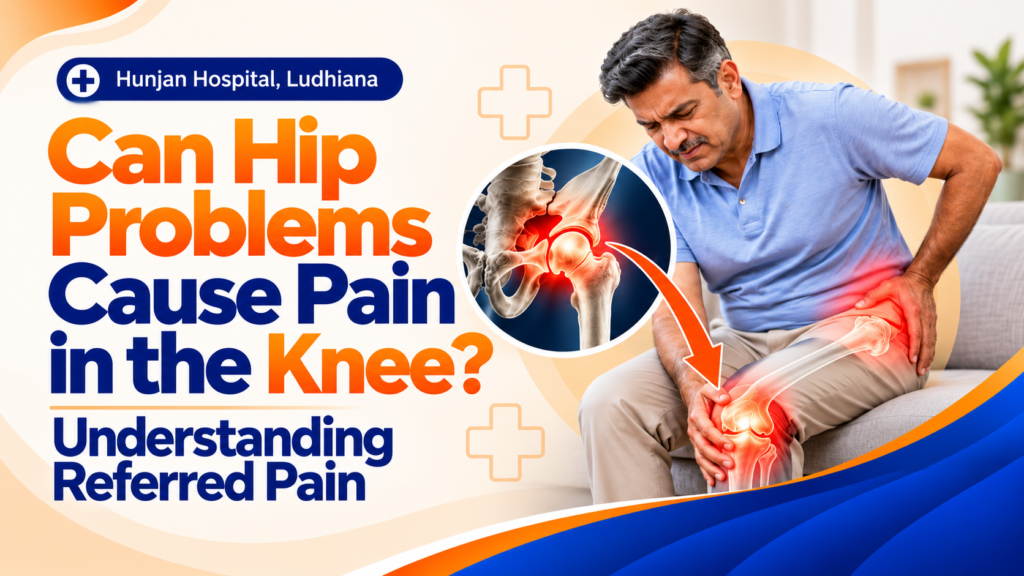
Hip pain is often mistaken for back pain, thigh pain or simple muscle strain. In reality, the hip joint plays a major role in walking, standing, sitting and balance.
Poor sitting habits, reduced movement, weak hip muscles and altered walking patterns may contribute to hip discomfort. However, hip pain can also be caused by arthritis, bursitis, tendon problems, injury or pain referred from the lower back.
Hip-related symptoms may include:
- Pain in the groin, buttock or upper thigh
- Stiffness after sitting
- Difficulty getting in or out of a car
- Pain while walking or climbing stairs
- Discomfort while turning in bed
- Trouble wearing socks or shoes
- A limp or reduced walking distance
Persistent hip pain should not be treated only as “back pain” without a proper assessment.
Everyday Habits That Can Add Stress to the Body
Posture-related discomfort often develops through routine habits rather than one major event.
Common examples include:
- Looking down at a phone for long periods
- Working from bed or a low sofa with a laptop
- Sitting through long meetings without standing
- Driving for hours without breaks
- Carrying a child, bag or weight on one side
- Standing with weight mostly on one leg
- Repeatedly bending from the waist instead of using the legs
- Sleeping with inadequate neck or hip support
- Avoiding exercise because movement feels uncomfortable
These habits do not always cause serious joint disease, but they can increase muscle fatigue, stiffness and strain.
What Can Help Improve Posture-Related Pain?
The goal is not to hold one rigid posture all day. The goal is to reduce prolonged strain and improve movement habits.
Helpful changes may include:
- Changing position regularly during work or travel
- Taking short movement breaks after prolonged sitting
- Keeping screens closer to eye level
- Using a chair that supports the lower back
- Keeping both feet supported while sitting
- Avoiding long periods of phone use with the head bent down
- Using proper technique while lifting objects
- Gradually improving core, hip and shoulder strength with professional guidance
- Following physiotherapy exercises if recommended
If an exercise causes sharp pain, numbness, worsening symptoms or dizziness, it should be stopped and discussed with a qualified professional.
When Should You See an Orthopedic Doctor?
A doctor should assess pain that is persistent, worsening or affecting daily life.
Seek an orthopedic consultation if you have:
- Pain lasting more than a few weeks
- Repeated neck, back, hip or shoulder pain
- Pain that affects sleep, work or routine movement
- Reduced movement in the shoulder, neck or hip
- Pain after a fall, injury or accident
- Numbness, tingling or weakness in the arm or leg
- Pain that travels down the arm or leg
- Difficulty walking, balancing or standing
- Sudden severe pain or loss of bladder or bowel control
The right evaluation can help determine whether the issue is related to muscle strain, posture, a joint condition, nerve irritation or another underlying cause.
Treatment Depends on the Actual Cause
Treatment should be based on the cause of pain, not only the location where it is felt. Some people may benefit from physiotherapy, strengthening, movement correction, activity modification or medicines prescribed by a doctor.
Others may require imaging, injections or surgical treatment if there is a significant injury, advanced arthritis, nerve compression or another structural problem.
A proper consultation helps avoid two common mistakes: ignoring persistent pain for too long or assuming that every pain needs surgery.
Final Thought
Poor posture may not be the only reason for pain, but repeated strain, prolonged sitting and reduced movement can affect the way the neck, back, hips and shoulders feel over time.
When pain keeps returning, spreads to other areas or starts changing how you work, sleep, walk or move, it deserves more than temporary relief. A timely orthopedic consultation can help identify the cause and guide the right next step.