A practical guide to distinguishing arthritis, meniscus problems and other common causes of knee pain
Knee pain in midlife: it is not always arthritis
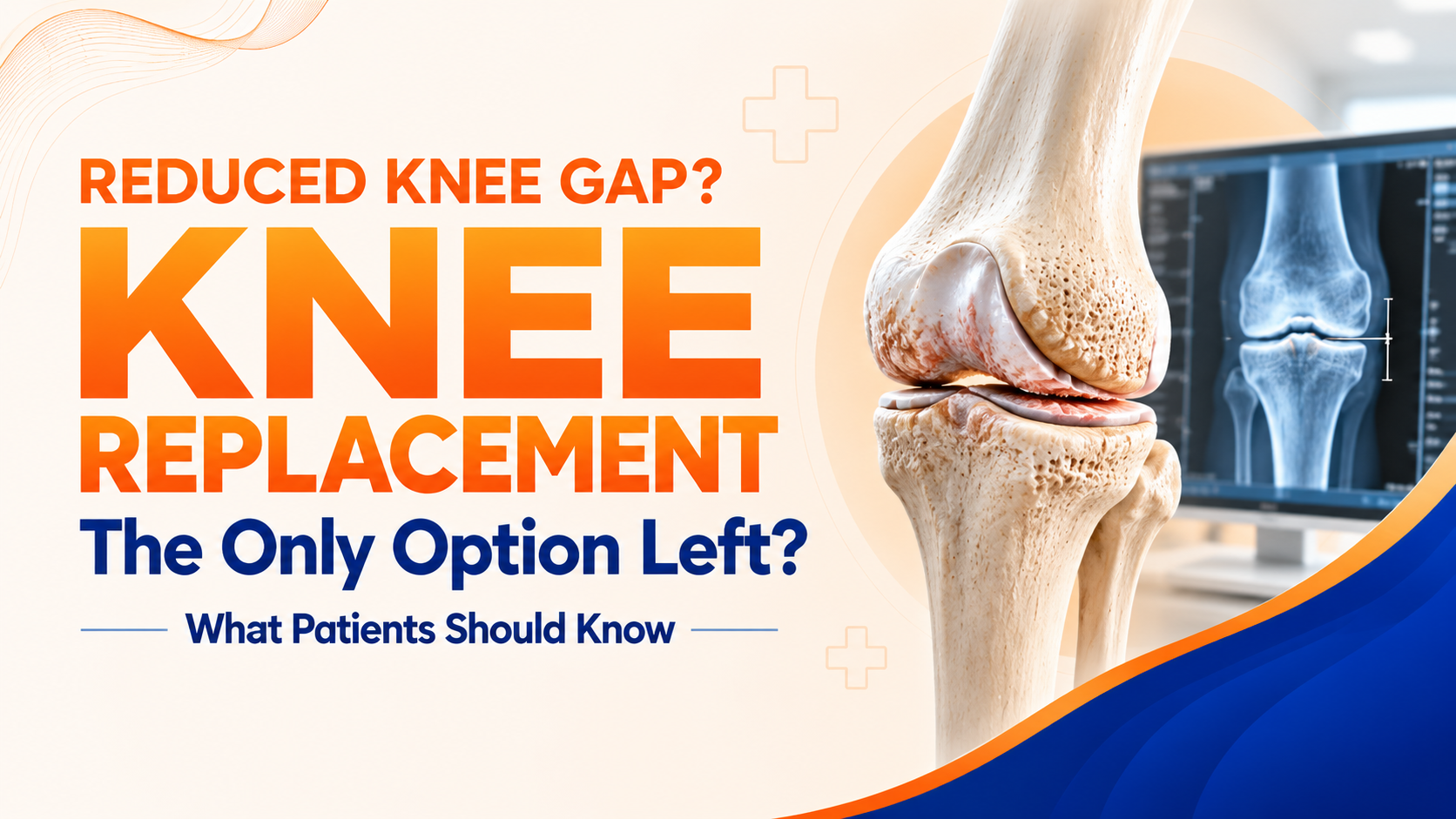
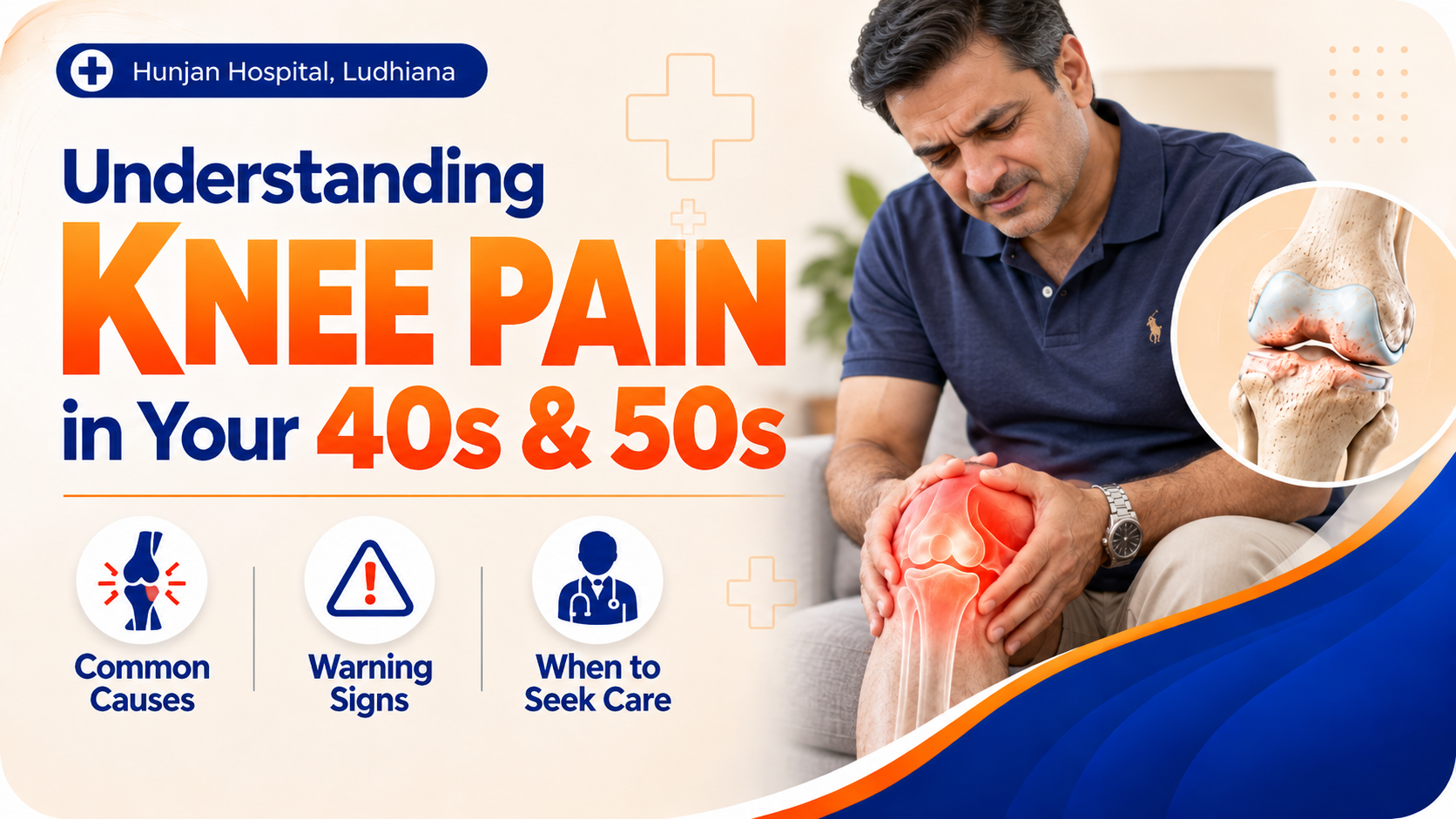
Knee pain becomes more common during the 40s and 50s, but age alone does not tell you what is causing it. Pain may come from osteoarthritis, a meniscus problem, irritation around the kneecap, a tendon or ligament injury, bursitis, or another joint condition. Previous injuries, repetitive activity, body weight, muscle weakness and the way the knee is being used can also influence symptoms.
Osteoarthritis: a common cause of gradual knee pain
Osteoarthritis develops as the tissues within a joint change over time. In the knee, it can cause pain, stiffness, swelling and reduced movement. Symptoms often develop gradually and may become more noticeable with activities such as walking, climbing stairs, prolonged standing or other weight-bearing activities. Morning stiffness can occur, although it is typically brief rather than lasting for a prolonged period.
Osteoarthritis is more common with increasing age, but having knee pain in your 40s or 50s does not automatically mean you have arthritis. A proper clinical assessment is important before assuming the cause.
Meniscus problems: pain after twisting or with mechanical symptoms
The menisci are two crescent-shaped pieces of cartilage that help distribute load and provide stability in the knee. A meniscus can be injured during a twisting or pivoting movement, but age-related changes can also make the meniscus more vulnerable.
Meniscus-related symptoms may include pain, swelling, difficulty fully bending or straightening the knee, or a catching or locking sensation. However, meniscus changes can also be seen on scans in people who have little or no pain. Therefore, an imaging finding should be interpreted together with the person’s symptoms and examination rather than treated as the diagnosis by itself.
Other possible causes of knee pain
Not every knee problem is caused by arthritis or a meniscus tear. Pain around or behind the kneecap may be related to patellofemoral problems and can become noticeable with stairs, squatting, running or prolonged sitting. Tendon problems, ligament injuries, bursitis, gout, inflammatory arthritis and, less commonly, infection or a significant injury can also cause knee symptoms.
The location of pain, how it started, activities that make it worse, swelling, stiffness, instability and the ability to move the knee all provide useful clues. These details help a clinician decide whether further tests are needed.
How is the cause of knee pain diagnosed?
Diagnosis usually begins with a detailed history and physical examination. A clinician may assess the knee’s movement, tenderness, stability, swelling and strength, and may perform specific tests depending on the suspected problem.
X-rays can be useful when arthritis or a bone problem is suspected. An MRI may be considered when a meniscus, ligament or other soft-tissue problem needs further assessment, particularly when the result is likely to affect management. Scans are not automatically necessary for every person with knee pain, and findings should always be interpreted in the context of symptoms and examination.
When should you seek medical attention?
Persistent, worsening or recurrent knee pain should be assessed, particularly when it interferes with walking, work, exercise or sleep. Prompt medical assessment is important after a significant injury, when the knee becomes very swollen, when you cannot bear weight or fully move the knee, or when the knee repeatedly gives way or becomes locked.
A hot, red and swollen knee accompanied by fever or feeling unwell requires urgent medical attention because infection is one of the conditions that needs to be ruled out quickly.
The right treatment depends on the cause
Treatment should be based on the underlying problem, severity of symptoms and the person’s overall health and activity needs. Depending on the diagnosis, management may include activity modification, strengthening and mobility exercises, physiotherapy, weight management when appropriate, pain-relieving medication, injections in selected cases, or surgery for specific conditions.
A meniscus tear does not automatically mean surgery, and knee arthritis does not automatically mean joint replacement. Many people can improve with appropriate non-surgical management. If symptoms persist or the knee has significant mechanical or functional problems, an orthopaedic evaluation can help determine the next step.
Takeaway
Knee pain in your 40s and 50s deserves attention, but it should not be self-diagnosed as arthritis or a meniscus tear based on age or a scan alone. Understanding how the pain started, what triggers it and whether there are symptoms such as swelling, stiffness, locking or instability can help guide an accurate assessment. Early evaluation can help identify the cause and support an appropriate treatment plan.
Contact Hunjan Hospital
Consultation & Registration: +91 85560 24365
Hunjan Hospital, 111 Kochar Market Rd, South Model Gram, Ludhiana
Medical Disclaimer
This article is intended for general educational and informational purposes only. It does not replace professional medical advice, diagnosis or treatment. Knee pain can have different causes, and treatment should be based on an individual clinical assessment. Consult a qualified healthcare professional for concerns about your symptoms. Seek urgent medical care for severe pain, significant swelling, inability to bear weight, a locked knee, or a hot, red and swollen knee accompanied by fever or feeling unwell.